Trump Officials 'Left Holding the Bag' as GOP Braces for Inflation 'Fallout' Ahead of 2026 Midterms
Key Takeaways
- •Bloomberg columnist Mary Ellen Klas argues that grocery price inflation threatens Republicans broadly, including Vice President JD Vance and Secretary of State Marco Rubio, ahead of the 2026 midterms.
- •An Associated Press-NORC poll from August found 41 percent of Americans concerned about affording groceries, up from 24 percent in April.
- •USDA forecasts project average food bills rising at least 3 percent in 2026 and another 2.4 percent in 2027, with beef prices expected up 9.8 percent and fresh vegetables up 5.9 percent.
- •USDA data shows overall food prices have risen 30 percent since January 2020, despite only a 3 percent increase over the past year.
- •Michigan State University economist David Ortega notes food prices have decreased only twice since 1900 and only briefly, warning that political promises to bring prices down create unrealistic expectations.
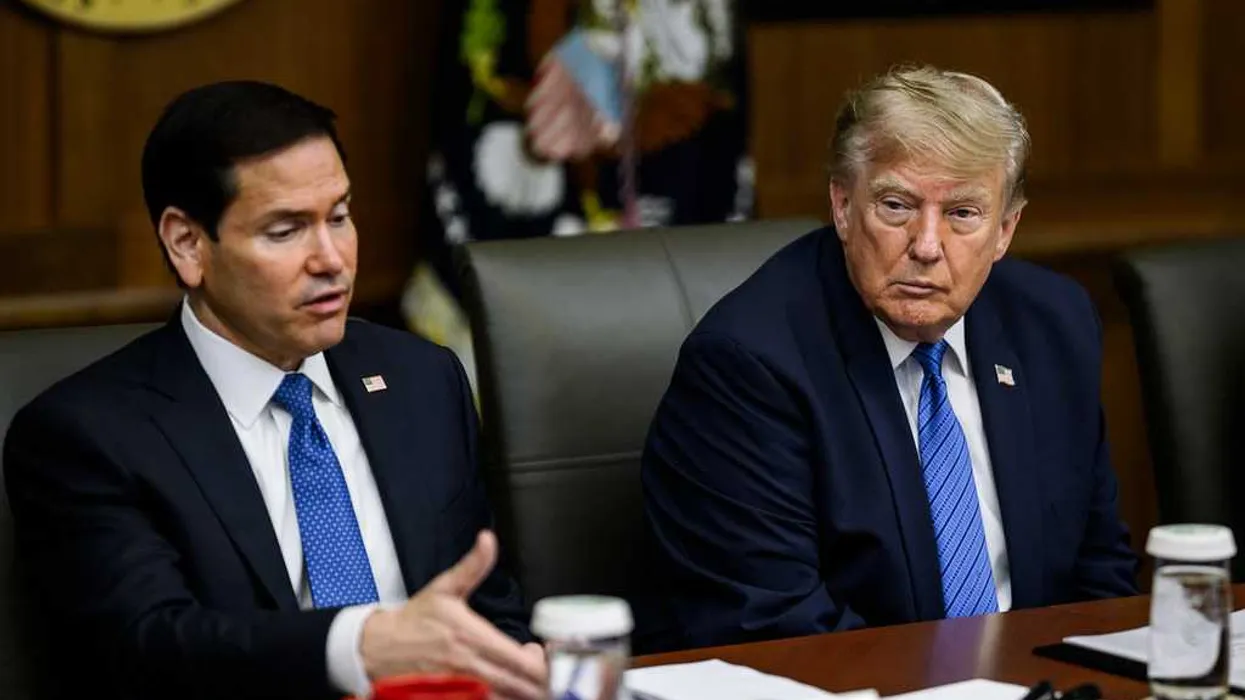
Poll after poll shows soaring prices are a top concern of voters heading into the 2026 midterm elections, and President Donald Trump's handling of the economy and inflation is a key factor in voters' assessments. That includes grocery prices, and according to Bloomberg News columnist Mary Ellen Klas, the resulting "political fallout" carries repercussions not only for Trump but for Republicans broadly — including senior administration figures such as Vice President JD Vance and Secretary of State Marco Rubio.
"Trump may not care about the political fallout, but his likely successors — Vance, Secretary Marco Rubio and every Republican left in Congress — should," Klas argues in her Bloomberg column. "They're the ones who will be left holding the (grocery) bag."
Both Vance and Rubio are frequently mentioned as possible Republican presidential candidates for 2028. Historically, the party holding the White House has tended to lose congressional seats in midterm elections, making voter sentiment on pocketbook issues a recurring risk for the president's party — though outcomes in individual races vary.
In her column, Klas emphasizes that "food prices play an outsized role in how Americans view affordability."
"When you're bombarded with bigger price tags and shrinking product sizes on every trip to the grocery store," Klas writes, "it's an in-your-face reminder that we're losing purchasing power. It's leading to widespread anxiety. According to an Associated Press-NORC poll released in August, 41 percent of Americans say they are concerned about being able to afford groceries, up from 24 percent in April."
Rising prices played a major role in the outcome of the 2024 presidential election, according to polls. Trump attacked the Democratic nominee, then-Vice President Kamala Harris, relentlessly on inflation, promising to lower prices "on Day 1" if he won. Yet roughly 19 and a half months into Trump's second presidency, inflation remains a major worry for voters.
"If the 2024 election turned on the price of eggs," Klas explains, "the 2026 midterm may well turn on the price of the rest of what's in Americans' shopping carts. And 2028 could shape up the same way: According to forecasts, eating is going to get more expensive for at least another year. The U.S. Department of Agriculture's Economic Research Service predicts that the average food bill will climb at least 3 percent in 2026 and another 2.4 percent in 2027."
She adds, "Those averages don't account for the commodities that will see even sharper price increases this year. Among them, beef will be up 9.8 percent and fresh vegetables up 5.9 percent. Perhaps the hardest thing for voters to get used to is the cumulative rise in the cost of groceries. The USDA (United States Department of Agriculture) says overall food prices have increased only 3 percent in the last year, but since January 2020, they've risen 30 percent."
Michigan State University economist David Ortega warns that food prices "rarely come down."
"Since the turn of the last century, food prices have decreased only twice — and they were both for a very short period of time," Ortega told Klas in an interview. "So, when voters and consumers hear from politicians, 'We're going to bring prices down,' it sets the expectation that it's possible when reality and economics point the other direction."
