Republicans Face Midterm Risk as 'Grocery Price Shock' Threatens to Push Food Costs Even Higher
Key Takeaways
- •Corn and wheat prices have reached their highest levels in more than three years due to poor weather and the ongoing Russia-Ukraine war.
- •Year-over-year price increases include instant coffee up 15.8%, beef roasts up 13.5%, tomatoes up 12.8%, and apples up 11.1%.
- •A JPMorgan report predicts global food inflation will rise from roughly 2.8% in the first half of 2026 to about 5% by the first half of 2027.
- •JPMorgan identifies compounding pressures it calls the 'Five Ws': War, Weather, Warehousing, Water, and Waste, with emphasis on fertilizer supply disruptions and a potential 'super' El Niño.
- •The U.S. midterm elections are 65 days away, and grocery prices are a politically sensitive indicator for the party holding the White House.
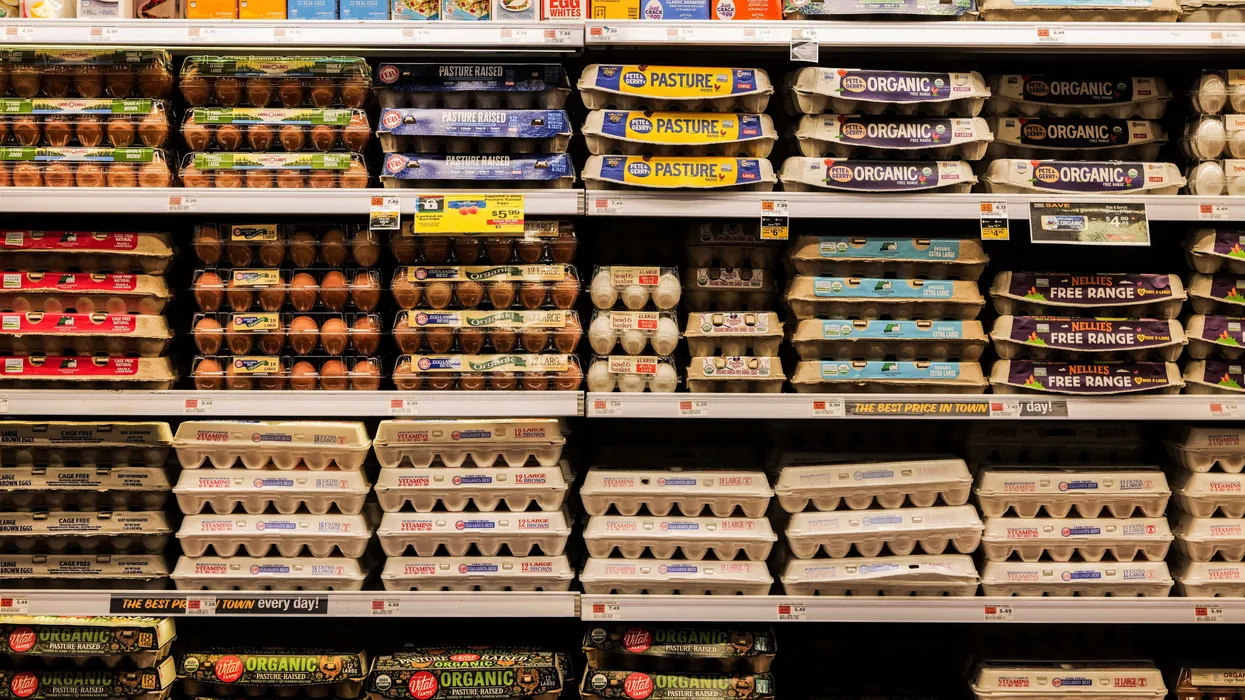
Republicans face an uphill battle heading into the midterm elections as a major "grocery price shock" appears poised to drive already-inflated food costs even higher, Axios reported Sunday.
"The next grocery price shock could hit much harder — and wider. And midterms are 65 days away," Axios' Mike Allen wrote in the outlet's Sunday morning newsletter (Axios AM).
Grocery prices have long been one of the most politically sensitive economic indicators for American voters, since food purchases are frequent and highly visible in a way that other inflation categories are not. Consumer frustration over the cost of living was a persistent theme in recent election cycles, making any renewed spike in food prices a particular liability for the party holding the White House.
A convergence of factors has sent grocery prices soaring in recent months, chief among them President Donald Trump's tariffs and his deeply unpopular war with Iran. A recent string of poor weather has sent corn and wheat prices to their highest levels in three years, and coupled with the ongoing Russo-Ukraine war, this risks pushing grocery prices higher still. Russia and Ukraine are both major global exporters of wheat and other grains, and the conflict has disrupted Black Sea agricultural trade since it began, tightening world supplies.
"Wheat's a key ingredient in pantry staples, and corn is a major animal feed. So as they go up, so can meat, dairy and eggs," the Axios report reads. "Add all these pressures to the list of already inflated food items: Instant coffee is up 15.8% year-over-year; tomatoes, 12.8%; beef roasts, 13.5%; apples, 11.1%. There's reason to believe it's only going to get worse."
A new JPMorgan report released Friday predicted that global food inflation would accelerate sharply into 2027, rising from roughly 2.8% in the first half of 2026 to around 5% by the first half of next year.
"JPMorgan frames the risk around a set of compounding pressures it calls the 'Five Ws': War, Weather, Warehousing, Water, and Waste with particular emphasis on fertilizer supply disruptions and the potential for a 'super' El Niño event," reads a summary of the JPMorgan report from the financial news data service Mettis Global.
"Unlike oil, which benefits from flexible substitutes and strategic reserves, nitrogen fertilizer has limited near-term alternatives and must be applied at precise points in the crop cycle, meaning delays reduce yields regardless of later conditions."
Allen cautioned that Americans could soon see the impact of these converging pressures on their grocery bills.
"These forces don't drive up your grocery budget overnight. But compounding strains on the cost of growing, harvesting and transporting food could make an already expensive grocery run even more expensive," he wrote. How voters weigh that dynamic against other issues — and whether the anticipated price pressures materialize on shelves before November — will shape the closing stretch of the midterm campaign.
