Grayscale Commits $1 Million to Zcash Ecosystem as ZEC Price Tumbles
Key Takeaways
- •Grayscale plans to direct $1 million to nonprofits and initiatives supporting the Zcash ecosystem, with the first $400,000 already awarded in $100,000 grants to four organizations: the Zcash Foundation, Pretty Good Policy for Zcash, Shielded Labs, and Project Tachyon.
- •The funding is drawn from sponsor fees on The Zcash ETF (ZCSH), which Grayscale intends to reinvest for up to the fund's first year, though the company said the commitment is voluntary and can be changed or ended at any time.
- •Grayscale launched the Zcash Invest educational platform and a national ad campaign titled "Zcash: The Next Era of Crypto," which kicked off with a Wall Street Journal wrap and will run across print, outdoor, digital, streaming, and social channels.
- •ZEC fell 11.3% over 24 hours to about $1,043 on Tuesday after briefly dipping below $1,000, leaving the token down roughly 19% over 30 days even though it remains up about 75% from a year ago.
- •The Zcash ETF listed on NYSE Arca in August, and competition is growing with another Zcash ETF in development from the Winklevoss twins and Europe's first Zcash exchange-traded product already launched.
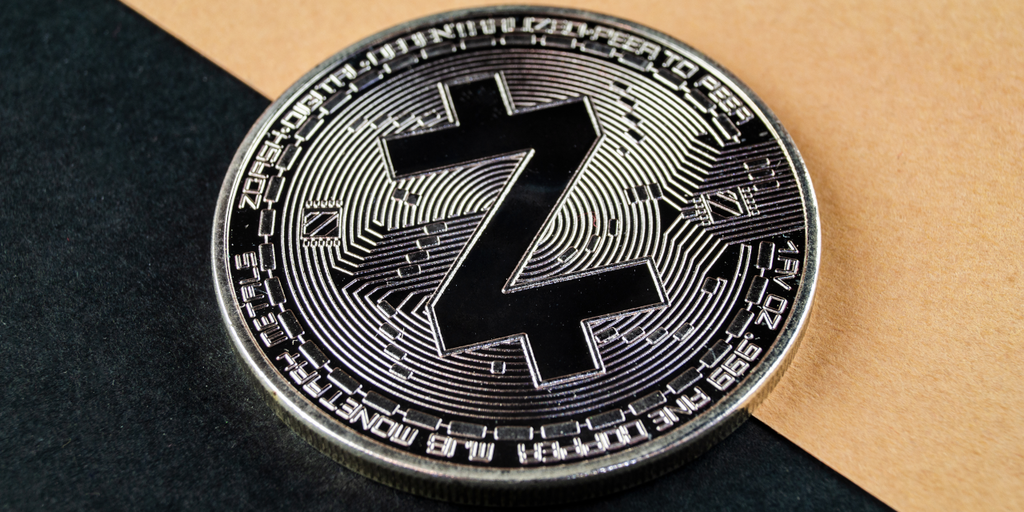
Grayscale is putting fresh money and marketing muscle behind Zcash, even as the privacy-focused cryptocurrency's price retreats from the highs it reached in October. The asset manager said Tuesday that it plans to direct $1 million to nonprofits and initiatives that support the Zcash ecosystem, while also launching a national advertising campaign and a new educational platform for the token.
Zcash is a privacy-focused cryptocurrency whose technology allows users to shield transaction details — a contrast with transparent blockchains such as Bitcoin, where transaction amounts and wallet addresses are visible to anyone. The first $400,000 of Grayscale's commitment has already been awarded in equal grants of $100,000 to four organizations: the Zcash Foundation, policy group Pretty Good Policy for Zcash, Swiss-based Shielded Labs, and Project Tachyon, a scaling effort led by one of Zcash's co-founders.
Funding Drawn From ETF Fees
The funding comes from fees on The Zcash ETF, which trades under the ticker ZCSH. Sponsor fees are the recurring charges exchange-traded products assess to cover issuer costs, and Grayscale said it intends to reinvest all of the sponsor fees it collects from the fund — for up to its first year as an exchange-traded product — into developing and marketing the network and educating people about it. The company noted that the commitment is voluntary and that it can change or end the arrangement at any time, meaning the ecosystem support is not locked in beyond the initial window.
Alongside the grants, Grayscale launched Zcash Invest, an educational website and social media presence, and rolled out a national ad campaign, "Zcash: The Next Era of Crypto." The campaign kicked off with a Wall Street Journal wrap and will run across print, outdoor, digital, streaming, and social channels, featuring a zebra motif drawn from the Zcash community.
"Financial privacy is becoming essential as more economic activity moves onchain and AI makes it easier to analyze," said Steve Vanourny, Grayscale's head of index.
The Zcash ETF listed on NYSE Arca in August. Its debut came roughly three months after a critical flaw in Zcash's shielded pool sent ZEC tumbling about 50%, with a fix arriving in July. Grayscale later split the fund's shares to make them more affordable for investors seeking exposure to what was, at the time, a red-hot privacy coin. Products like ZCSH let investors gain exposure to ZEC through a standard brokerage account rather than buying and custodying the token directly.
Competition is building as well. Another Zcash ETF is in the works from the Winklevoss twins, and Europe's first Zcash exchange-traded product has already launched.
A Rough Stretch for ZEC
Grayscale's push lands during a difficult stretch for the token. ZEC fell 11.3% over 24 hours to about $1,043 on Tuesday after briefly dipping below $1,000, according to CoinGecko. The token rallied to highs above $1,500 in October before its recent slide, and it is down roughly 19% over 30 days, though it remains up about 75% from a year ago.
Perpetual futures open interest stands at about $2.3 billion, and the token previously tumbled after leverage built up during its rally. Perpetual futures are derivative contracts with no fixed expiry, and open interest — the total value of outstanding positions — is a standard gauge of how much leverage is deployed in a market.
Source: Decrypt

