Economist says financial flexibility can create more grain marketing opportunities
Key Takeaways
- •Widmar said storing grain after harvest involves costs that must be considered alongside possible marketing gains from waiting.
- •He said farmers should make cautious, business-grade decisions when choosing between storage and selling.
- •Widmar said access to more working capital can give farmers greater flexibility in marketing grain.
- •He noted that market uncertainty makes it important for producers to position themselves carefully.
- •Widmar said having a plan can help farmers manage volatility and keep grain decisions aligned with broader farm finances.
August 28, 2026 | By Erin Anderson
An ag economist says farmers should keep their long-term financial goals in mind as they make grain marketing decisions this fall.
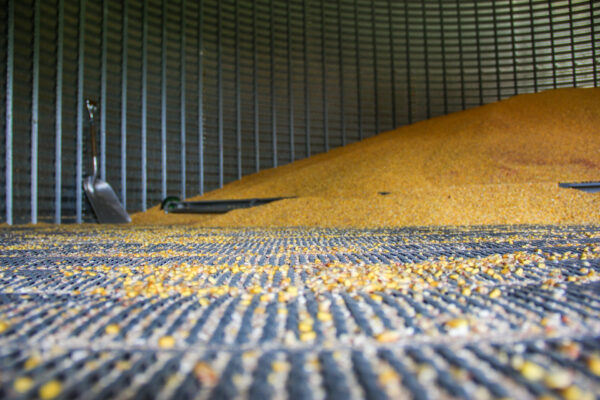
David Widmar with Agricultural Economic Insights says there are costs associated with storing grain on farm after harvest, and those costs should be weighed alongside any potential marketing advantages of waiting.
“If I’m keeping my grain in these grain bins, I’m making an investment,” he says. “Do I know that you’ve locked in this spread or you’ve locked in this basis appreciation? You know what your costs are. We need to make business grade decisions. We need to be really cautious.”
He tells Brownfield that having access to more working capital can help ease business decisions and give farmers more flexibility when they are deciding whether to store grain or move it after harvest.
“Even if we think the markets might go a little bit higher, there’s always that uncertainty,” he says. “If we try to position ourselves, that’s going to be a lot more sustainable.”
Widmar says having a plan in place can help producers navigate market volatility and stay aligned with their broader farm finances as harvest approaches.
AUDIO: David Widmar, AEI

