South Korean Crypto Exchange Gopax Suspends Withdrawals and Trading After Hacking Threat
Key Takeaways
- •Gopax suspended standard deposits and withdrawals at 2:55 p.m. local time and halted trading at 3:53 p.m. on Friday after an unverified email threatened a hack, canceling all open orders in the process.
- •The exchange is moving all virtual assets into offline cold wallets to reduce exposure to online systems, and no actual loss of customer funds has been reported.
- •Customers can withdraw funds only through the customer support center, where each request is processed manually after internal verification, while deposits were later restored.
- •The precautionary lockdown follows a week of industry security troubles, including an approximately $6.34 billion theft from Binance tied by the FBI to North Korea and roughly $40 million in suspicious transfers at Brazil's Mercado Bitcoin.
- •A separate account breach starting in early September leaked personal information of seven customers and two current or former employees, though Gopax has not confirmed any connection between that incident and Friday's threat.
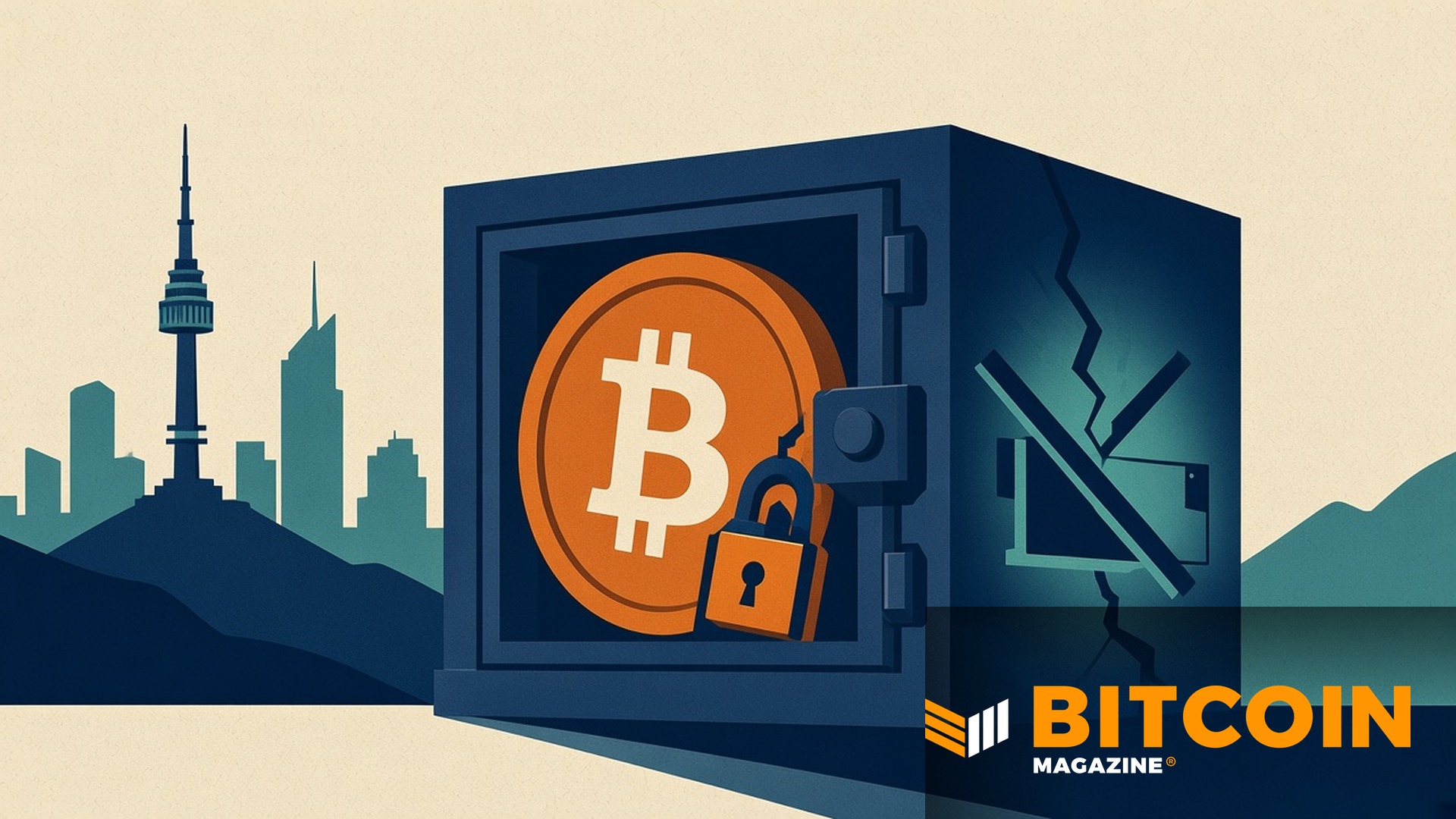
South Korean cryptocurrency exchange Gopax suspended withdrawals and trading on Friday after receiving an email threatening a hack, and said it is moving all virtual assets it holds into offline cold wallets as a preemptive step to protect customer funds.
Gopax halted standard deposit and withdrawal services at 2:55 p.m. local time and stopped trading at 3:53 p.m., Yonhap News Agency reported, citing the exchange. Direct withdrawals through the website and app are unavailable. Customers who want their coins out must apply through the customer support center, where requests are processed manually after internal verification.
“To ensure the safe custody of user assets, we plan to transfer all virtual assets to cold wallets for storage,” Gopax said in remarks carried by Seoul Economic Daily. “Direct withdrawals through the Gopax website or app are temporarily unavailable, and customers wishing to withdraw funds should apply through the Gopax customer support center.”
No actual loss of assets has been reported, and the company has not set a date to reopen trading or standard withdrawals.
What Gopax closed and what still works
With trading offline, all open orders were canceled, Chosun Biz reported. Traders will need to re-place any orders they want active once markets reopen. Deposits were initially paused alongside withdrawals; later Korean coverage said deposits had been restored while web and app withdrawals remained shut. Manual withdrawals through support will take longer than usual — each request moves only as fast as staff can verify it.
A cold wallet is a storage setup kept offline, cut off from the internet that hot wallets use to process customer sends. Gopax said the shift of remaining hot-wallet balances into cold storage is intended to shrink the surface available to anyone who can reach online systems.
A Gopax official told Yonhap the email came from a party claiming it could hack the exchange, but that the threat itself had not been verified. “We ask for your understanding, as this measure is intended to prevent financial incidents and protect user assets,” the company said. That precaution-first stance is the same pattern playing out across the industry this week.
A rough stretch for Korean crypto platforms
The freeze lands in a week when exchange security is already under a bright light, with three platforms — Binance, Mercado Bitcoin, and now Gopax — curtailing customer access to funds in quick succession. On Oct. 29, attackers drained about $6.34 billion from Binance hot wallets in what Binance later described as a months-long campaign that began with a fake job interview. The FBI has tied that theft to North Korea. Binance has reopened withdrawals in stages and said it is covering customer losses from its own funds.
Brazil’s Mercado Bitcoin froze deposits and withdrawals earlier this week after its own security incident, with preliminary estimates putting suspicious transfers near $40 million. Gopax’s case differs on the facts disclosed so far: the exchange is describing a threat email and a precautionary lockdown, not a confirmed drain.
Gopax has also been dealing with account trouble. From early September, abnormal access hit some user accounts, leaking personal information on seven customers and two current or former employees, with further leakage confirmed last month, Yonhap’s Korean dispatch said. The company has treated that breach as separate from Friday’s threat email; any link has not been confirmed.
South Korea’s Financial Services Commission has been pressing domestic platforms after a broader wave of cybersecurity incidents across financial firms. Korean exchanges are already required to keep at least 80% of customer crypto in cold storage. Friday’s move pushes Gopax further offline — beyond that regulatory floor — while it checks whether the threat is real.
For bitcoin holders on Gopax, the practical effect is a queue: coins are being parked offline while support staff approve outbound sends one by one. That is slower than tapping an app button, and it is the trade the exchange says it is making to keep balances intact.
The test for Gopax now is whether it can finish the cold-wallet transfer, clear the manual withdrawal queue without a loss, and say when trading comes back — or whether the unverified threat turns into the very incident it tried to get ahead of.
This article first appeared on Bitcoin Magazine and is written by Micah Zimmerman.

