GOP Pollster Says 'Socialist' Attacks Are Losing Their 'Shock Value' Ahead of Midterms
Key Takeaways
- •Republicans have run ads tying Democratic candidates to socialism or communism in dozens of House battleground races and nearly every major Senate race ahead of the midterms.
- •The Trump administration this week launched a $20 million DHS-funded national ad campaign in which Trump denounces communism, socialism, and Marxism.
- •GOP pollster Matt Towery said calling a candidate a 'socialist' no longer elicits the negative reaction it once did, particularly late in the election cycle.
- •A Fox News poll found approval of socialism rose from 18 percent in 2010 to 32 percent in 2022 and a record 38 percent in March 2026, with surveys showing rising support for socialist policies among conservative voters.
- •New York City Mayor Mamdani's first year in office has strengthened his standing with voters, and Trump's public support for him has complicated GOP efforts to use him as a negative foil for Democrats.
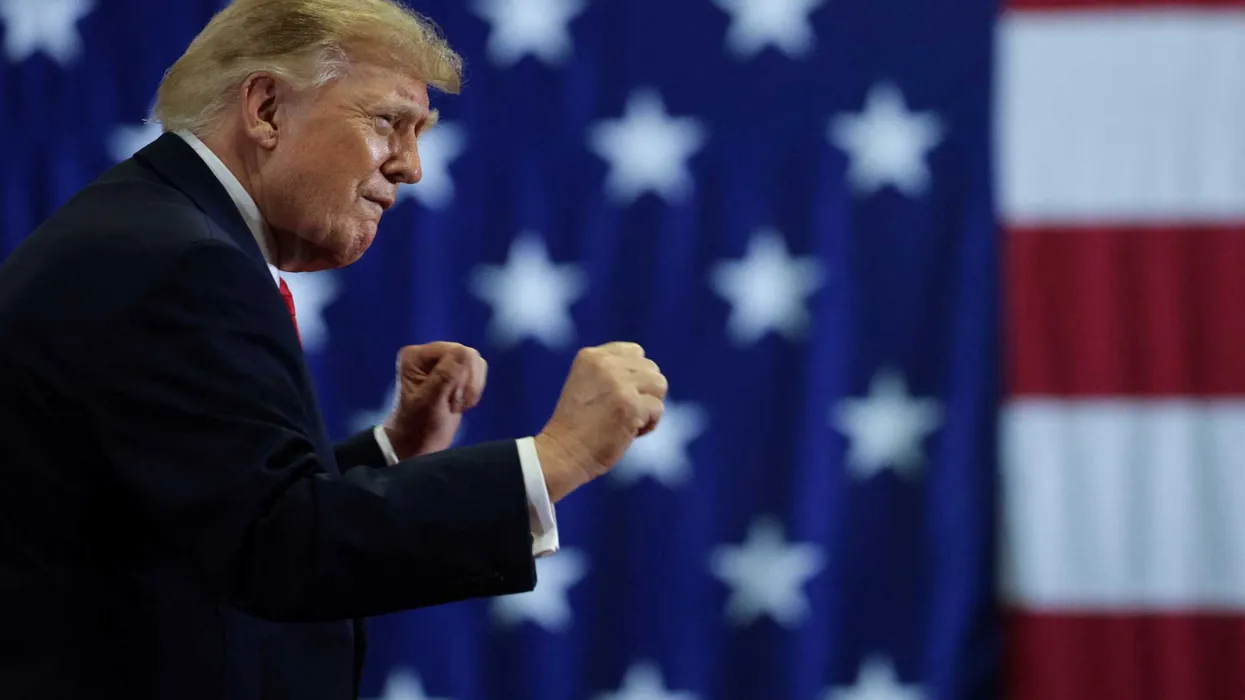
President Donald Trump has frequently railed against "communists" and "socialists," and the GOP has leaned ever harder into such attacks as it confronts an uphill midterm battle with control of Congress at stake. But according to a longtime GOP pollster, accusations of "socialist" no longer carry the "shock value" they once did.
As Politico explains, Republicans have struggled this midterm cycle to define a Democratic opponent. Trump has frequently sought to blame former President Joe Biden for high prices and other challenges facing his administration. Even so, Biden — largely out of the spotlight since leaving office — has become "a far less useful punching bag for Republicans," Politico noted. The same goes for former Speaker Nancy Pelosi. No other Democrat has managed to elicit the same level of conservative anger, leaving Trump and the GOP to reach for classic red baiting.
Beyond peppering speeches with accusations of communism and socialism, "the GOP has run ads seeking to tie Democratic candidates to socialism or communism — the concepts themselves — in dozens of House battleground races and nearly every major Senate race," Politico reported. "Just this week, the Trump administration launched a national $20 million DHS-funded campaign-style ad spree that features Trump lambasting 'communism, socialism, and Marxism.'" How voters respond to that wave of spending in the run-up to Election Day could provide a real-world test of the label's remaining punch.
When it comes to specific political figures, however, the strategy gets complicated. Take Mamdani, New York City's mayor and a self-described democratic socialist. Republicans once salivated at the prospect of Mamdani as a foil when he was first elected last year, but his first year in office has largely boosted his standing with voters, complicating efforts to turn his tenure into a negative for Democrats. Trump's surprising continued embrace of the mayor — just last week, the president stood by Mamdani and said he hoped he would "be a great mayor" — has further complicated GOP efforts to paint him as a villain.
While the GOP has characterized prominent Democrats as socialists for decades, Politico writes that "being called a 'socialist' may not have the same shock value it once did." According to GOP pollster Matt Towery, "I don't think just calling a candidate 'socialist' works that well for Republicans, particularly this late in the game… Republicans just assume people have a bad reaction to the term socialist, and the term doesn't elicit the same reaction it used to."
Indeed, as experts have noted, MAGA — and even Trump himself — have come to embrace a variety of policies associated with socialism. A Fox News poll found that support for socialism has grown dramatically, from 18 percent approval in 2010, to 32 percent approval in 2022, to a record high of 38 percent in March 2026. A number of surveys have also shown increasing approval for socialist policies specifically among conservatives — a trend spanning more than a decade and reaching into the GOP's own voter base.
As the New York Post explains, "In a 2025 survey of young likely voters, 42 percent of conservatives said they would like to see a democratic socialist win the presidency in 2028. Among 2024 Trump voters, the figure was 35 percent in another poll. A March 2026 poll found 77 percent of all voters support raising taxes on billionaires, including 65 percent of Republicans, 75 percent of independents, and 91 percent of Democrats. It also found 62 percent of voters are more likely to back a candidate who supports an increased billionaire tax versus 12 percent more likely to support a candidate who opposes it."

