MAGA Rep. Harrigan Breaks With Trump on Iran Military Assessment and Casualty Comparisons
Key Takeaways
- •Representative Pat Harrigan, a Republican lawmaker and former Green Beret, publicly contradicted President Trump's assertion that Iran's military had been destroyed, stating instead that Iran's military capability is "degraded, not destroyed."
- •Harrigan acknowledged that while Iran's defense industrial base for producing new ballistic missiles and drones has been eliminated, the country retains substantial pre-built inventories that continue to threaten U.S. forces.
- •The congressman warned that American military casualties will increase the longer the conflict with Iran continues.
- •Harrigan admitted there is strategic ambiguity about progress toward the administration's five stated war objectives, even as Congress weighs an $88 billion Pentagon supplemental funding request.
- •He rejected Trump's social media comparison of the Iran conflict's death toll to other wars, stating that such comparisons diminish the significance of American soldiers' sacrifices.
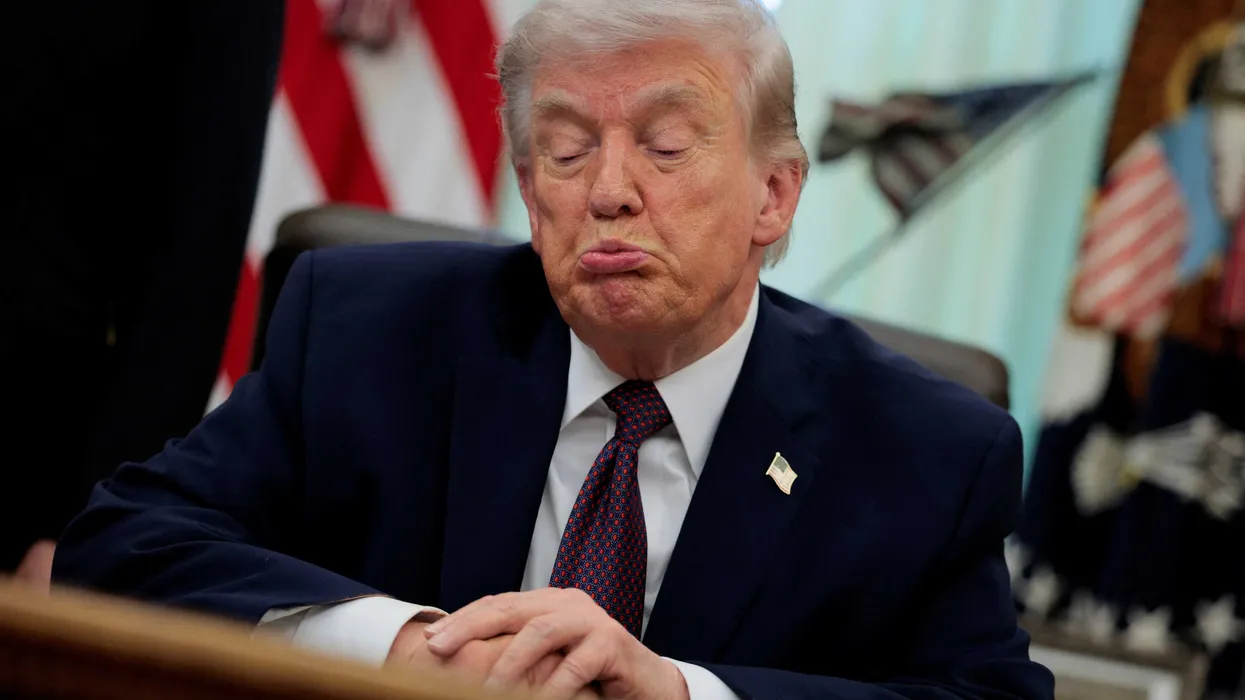
Representative Pat Harrigan (R-NC), a MAGA-aligned lawmaker and former Army Special Forces officer who served as a Green Beret, was pressed by a reporter on Wednesday into publicly disagreeing with President Donald Trump's efforts to downplay the severity of the ongoing war with Iran, ultimately conceding that Iran's military capability has been "degraded, not destroyed" and that American casualties will mount the longer the conflict continues. His military background gave his assessment particular weight, and the public break with the president on a core national security question was a striking departure for a lawmaker aligned with Trump's political wing.
Spectrum News White House correspondent Reuben Jones (@ReubenJones1) first challenged Harrigan on whether Trump was incorrect in claiming weeks earlier that Iran's military had been destroyed.
"They weren't specific enough," Harrigan responded. "And at the end of the day you have to parse out, we have destroyed Iran's ability to produce new ballistic missiles and new drones. Totally destroyed. Their defense industrial base is gone."
"But the military's not destroyed," Jones pushed back.
"They have substantial inventories of both of those two things that we have to be very cognizant of," Harrigan acknowledged, adding: "The longer this goes, the more American soldiers that we stand to lose, there's no question about it." The distinction between eliminating production capacity and degrading existing stockpiles is a consequential one in military planning: pre-built missiles and drones can continue to threaten U.S. forces and regional partners even after manufacturing infrastructure is leveled.
When Jones pressed a second time on whether the military could be described as destroyed, Harrigan offered a direct correction: "The military and their capability is degraded, not destroyed."
Jones then turned to the Trump administration's request for a Pentagon budget of $88 billion, posing the question: "Some might say, well, if the administration doesn't seem to have a clear grasp of what Iran's military capability is, why would we give them tens of billions of dollars more to spend?"
"There are a couple of reasons," Harrigan replied. He contended that the administration had been clear about what he described as five initial objectives set by the White House at the outset of the war, but conceded: "I think there has been some unclarity about how far are we along those strategic initiatives to what you would consider mission complete." He argued that the Pentagon requires additional war funding to avoid cutting other programs, which he said would "put the United States of America at significant strategic risk." His acknowledgment of strategic ambiguity around the war's progress came as Congress weighs the supplemental funding request — the kind of wartime budget debate that has historically intensified when lawmakers feel the administration has not clearly defined what success looks like.
Jones then raised a recent social media post by Trump (@ReubenJones1) in which the president listed death tolls from the wars in Afghanistan, Iraq, Vietnam, and Korea, then noted that the Venezuelan "War" lasted a single day with zero casualties, while the Iran "Military Conflict" had lasted four months with "18 DEAD." Jones asked Harrigan whether Trump's post diminished the significance of American soldiers killed over the weekend.
Harrigan struggled to deflect the question, ultimately admitting disagreement.
"Yeah, anybody can go just a few miles away from here to Arlington National Cemetery and see that this incredible country that we've built has been bought at an incredible price, and we should never diminish or demean that in any way, shape, or form," Harrigan said. "I also don't think comparisons are a great idea. I think we have to look and say, well, look, we have had sacrifices in this conflict. We don't want to have more, but for those we have had and those we may have in the future, we'd better earn their sacrifice with the right outcome."

