GOP Bets on Frat-Party Outreach to Win Back Young Voters, The Times Reports
Key Takeaways
- •GOP activists are using campus fraternity parties, merchandise giveaways, and voter registration drives to re-energize young voters ahead of the November midterm elections.
- •A Yale Youth Poll found Trump lost the most ground over the past year with men under 30 and women under 25, while Democrats gained the most with men aged 23-34 and women aged 18-45.
- •Two years into Trump's second term, many young supporters have grown disillusioned with his handling of the economy and his appetite for foreign wars.
- •Pearson's political action committee, Next 250, received $70,000 in private donations to finance the fraternity tours across American college campuses.
- •The outcome of the campus tour hinges on whether newly registered young voters actually cast ballots in November's midterms.
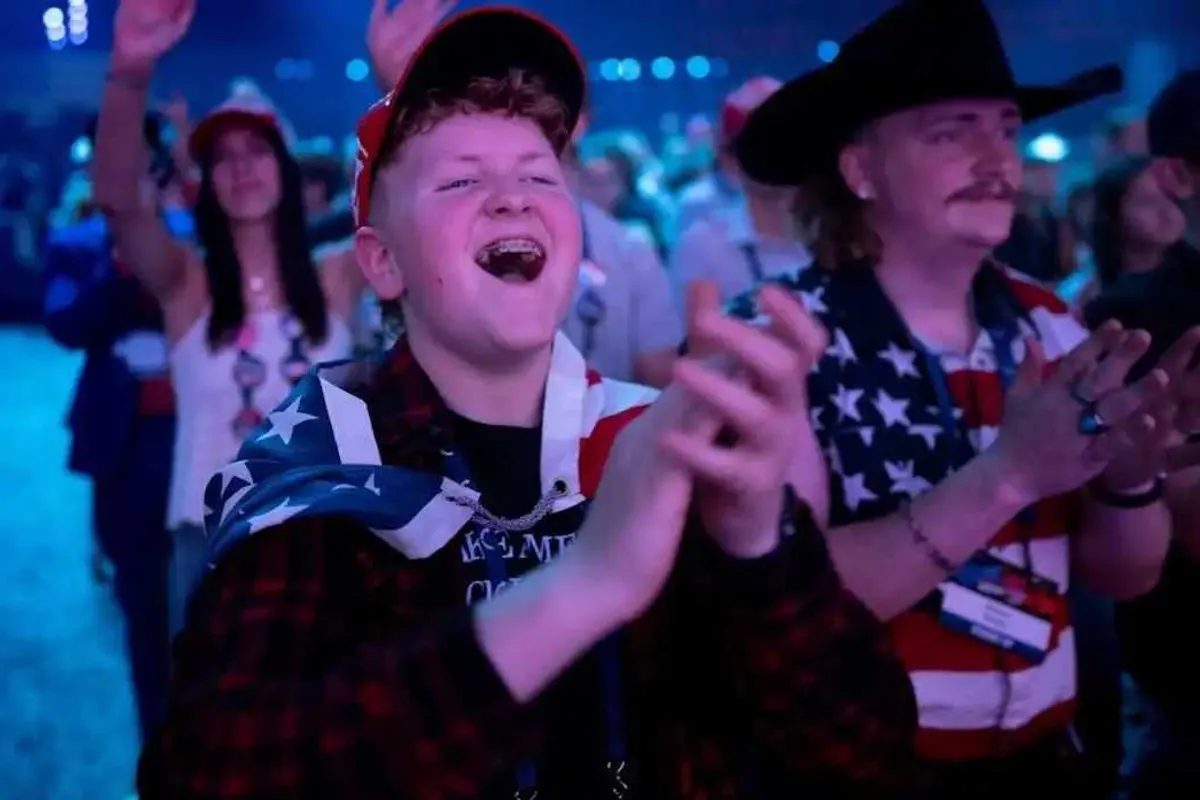
President Donald Trump and the Republican Party have fallen so far out of favor with young voters that the GOP is trying a range of new recruitment tactics, The Times reports.
"We're going to save America one frat party at a time," said Coreco Ja'Quan Pearson, an event organizer from Georgia, over the noise of one such party.
According to the report, GOP activists are racing to mobilize America's next generation of voters and re-energize the segment of young people who broke from Democrats to vote for Trump two years ago.
"The timing is critical," Times writer Olivia Empson wrote. "Two years into Trump's second term, many of his young supporters have grown disillusioned with his handling of the economy and appetite for foreign wars. In the last year, Trump has lost the most ground with men under 30 and women under 25, according to a Yale Youth Poll, while Democrats have gained the most ground with men aged 23-34 and women aged 18-45." Those movements carry weight beyond campus politics: the midterm elections this November will set the composition of Congress for the remainder of Trump's second term, putting the loyalties of exactly these young age cohorts in play.
The tool for recruiting the kind of men who could rescue a party on the outs, in Pearson's view, is carousing.
"Politics doesn't have to be boring," the 24-year-old conservative activist told The Times. "They're playing topless beer pong today, but in November they'll be at the polls and we're going to fight like hell to get them there. … Our founding fathers wrote our founding documents at taverns."
"Pearson looked every inch the Georgia frat boy, blending into the throng of youngsters in his slim-fit brown chinos, a red polo shirt and his signature cap," Empson wrote. "He is not a student at the university but a prominent right-wing campaigner and founder of Next 250, a political action committee. He is on a whistle-stop tour of American college campuses, handing out merchandise, hosting rowdy parties featuring Republican congressmen and helping young voters to register their ballot ahead of the midterms." Whether those new registrations convert into actual ballots in November is the unanswered question on which the tour's results will hinge.
"Not everyone here is a sophisticated political thinker and that's OK," Pearson added.
The Times reported that Pearson's political action committee "received $70,000 in private donations to finance the fraternity tours." The newspaper said Pearson has built a lucrative career over the past decade as a digital pundit and Washington, D.C. organizer. He has co-chaired the Republican National Committee's youth advisory council and now produces short-form videos on X and Instagram, alternating between praising Trump and attacking Democrats.
Pearson said his political commitment has come at a personal cost, leaving him isolated from members of his family.
"You want [your parents] to be proud of you and to support what you're doing. And my argument to them was always, I can be doing far worse things. I could be selling crack, but God forbid I'd be a Republican," he told The Times.

