Google launches Gemini-powered Googlebook laptops from $899, leaves Nigeria off launch list
Key Takeaways
- •Googlebook is a new premium laptop category built around Gemini AI and Android phone integration, with models from Acer, ASUS, Dell, HP and Lenovo starting at $899.
- •The devices go on sale on October 4 in the United States and October 5 in Canada, the United Kingdom, Ireland, France, Germany and Australia, while Nigeria is excluded and has no announced launch date.
- •At an exchange rate of ₦1,324.36 per dollar, the $899 entry model equals about ₦1.19 million and the $1,299 tier roughly ₦1.72 million, before shipping, customs charges and retailer margins.
- •Nigeria's parallel-market rate of about ₦1,389 per dollar would raise the naira cost to approximately ₦1.25 million for the cheapest model and ₦1.80 million for the $1,299 version.
- •Googlebook offers up to 14 hours of video playback, at least 16GB of RAM and up to 10 years of software updates, complementing rather than replacing Chromebooks, which are used by about 50 million students and educators.
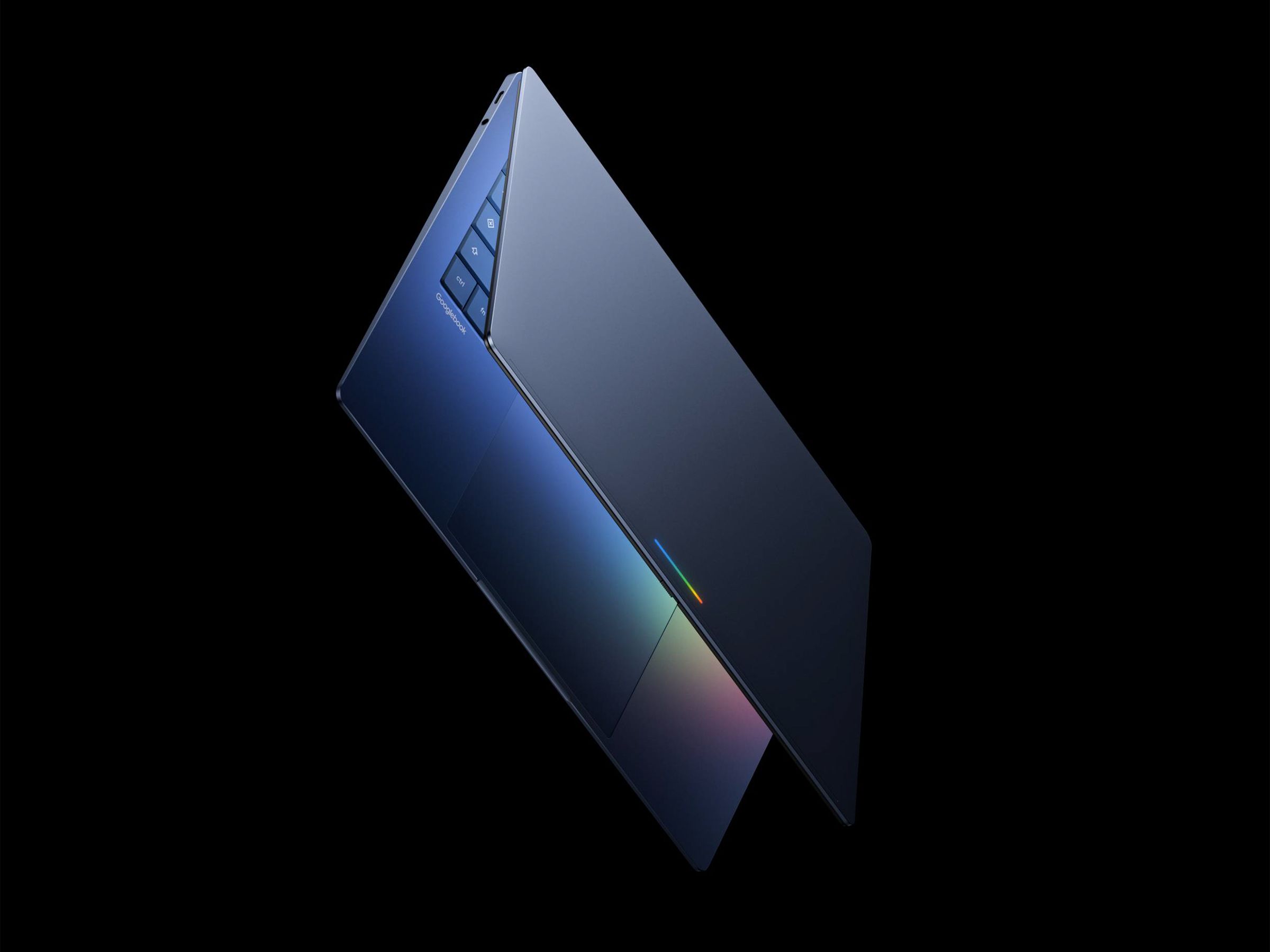
Google has launched Googlebook, a new category of premium laptops built around the company's Gemini AI tools and tighter integration with Android phones, but Nigeria is not among the seven markets where the devices will be available at launch.
The laptops start at $899, with models from Acer, ASUS, Dell, HP and Lenovo — the established PC makers that also build Windows laptops, meaning Google's new category arrives inside familiar brand lineups rather than from an unknown hardware newcomer. Google says the devices go on sale on October 4 in the United States and October 5 in Canada, the United Kingdom, Ireland, France, Germany and Australia. Nigeria does not appear on the initial availability list, and the company has not announced a date for a Nigerian launch.
Where a laptop launches determines whether buyers can pay close to the advertised price through local retail or take on the added costs of importing. For Nigerians who want a unit in the meantime, buying through an importer or having someone bring one into the country are the obvious alternatives, though the final cost would exceed Google's advertised price.
What Googlebook would cost in naira
The cheapest Googlebook, Acer's $899 model, is equivalent to about ₦1.19 million at a dollar rate of ₦1,324.36. That puts the starting price at approximately ₦1,190,600 before shipping, import-related charges or any retailer's margin.
Models starting at $1,299 would cost about ₦1.72 million at the same exchange rate, again before additional costs. These figures represent the dollar price converted to naira, not the final amount a Nigerian buyer would necessarily pay — and because the devices are priced in dollars, the naira equivalent applies at whatever rate is in effect on the day of the transaction.
The difference could widen once the cost of getting the laptop into Nigeria is added. An importer would need to account for shipping and any applicable customs or other charges, while a local seller could also add a margin.
The parallel-market rate can also produce a different naira equivalent. On September 22, the dollar was reported at around ₦1,389 on Nigeria's parallel market, compared with an official market rate of ₦1,329.80 on September 21. At ₦1,389 to the dollar, the $899 Googlebook would already cost about ₦1.25 million, while a $1,299 model would be about ₦1.80 million, before delivery and other charges. The gap between the two rates is why the same laptop can carry a noticeably different naira price depending on which market supplies the dollars for the purchase.
A premium tier above Chromebooks
Googlebook marks a shift for Google from the budget-focused Chromebook market into premium laptops. In a first-look post on its official blog, the company says the new devices combine an Android technology foundation with desktop foundations from ChromeOS and are designed around Gemini and integration with Android phones. The laptops offer up to 14 hours of video playback, at least 16GB of RAM across the range and software updates for up to 10 years — with the ten-year update promise the specification most likely to matter years after purchase, since it determines how long the device stays supported.
Google is not abandoning Chromebooks. The new category gives the company a higher-end offering while Chromebooks continue to serve the education and budget-computing market. The move carries weight because Chromebooks already have a large presence in schools globally: says about 50 million Chromebooks are used by students and educators, and reports suggest the company views Googlebook as part of a broader effort to bring its Gemini-powered computing experience to that existing base.
For now, Nigerian buyers interested in the Googlebook will have to rely on imports or wait for Google to announce a future rollout in the country. The next scheduled markers are the October 4 and October 5 on-sale dates in the seven launch markets, and any announcement adding Nigeria to the availability list would be the development that most directly changes the cost calculation for local buyers. Until then, the $899 starting price advertised abroad translates to about ₦1.19 million before the additional costs of getting the laptop into Nigeria.

