Google Renames Lake Ontario to 'Lake America' on Maps Following Trump Executive Order, Drawing Backlash
Key Takeaways
- •Google changed the name of Lake Ontario to "Lake America" on Google Maps in the U.S. following Trump's executive order.
- •The renaming came after Trump imposed a 50% tariff on $20 billion of Canadian goods and Canada pledged to match the tariffs dollar for dollar.
- •Google has said it follows names used by official government sources, a policy that also guided its handling of the Gulf of America change.
- •Critics including public figures such as Eric Idle and Warren Kinsella condemned the change, with some vowing to stop using Google Maps.
- •The name Lake Ontario dates back to at least 1641 and has appeared on U.S. maps since at least 1656, according to Snopes.
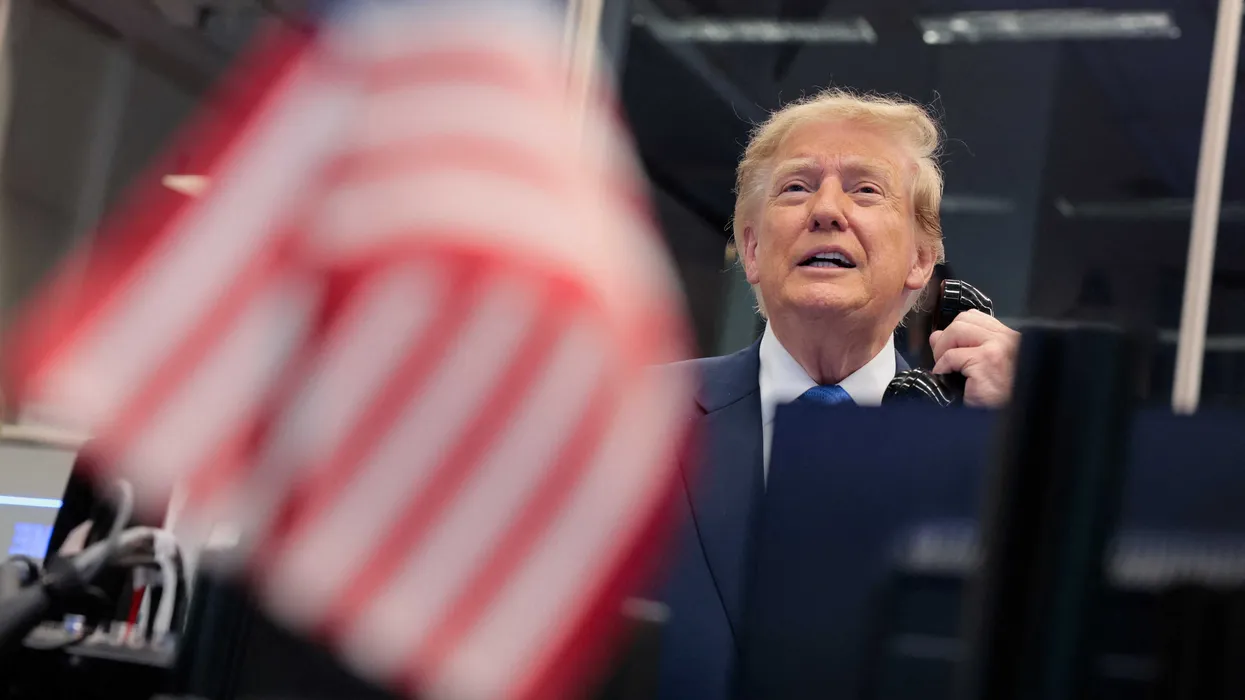
Google updated its Google Maps service in the United States on Sunday to reflect President Donald Trump's executive order renaming Lake Ontario to Lake America, a decision that drew a wave of criticism from numerous observers who accused the company of capitulating to the president.
The renaming follows an escalation in trade tensions between the two countries. Earlier this month, Trump imposed a 50% tariff on $20 billion of Canadian goods after trade negotiations between Washington and Ottawa broke down. Canadian Prime Minister Mark Carney vowed in response to match those tariffs "dollar for dollar." Days later, Trump signed an executive order directing the federal government to rename the smallest of the Great Lakes after the United States.
As verified by Raw Story, Google has now changed the lake's name on its map service in the U.S. to reflect the order, a move met with a chorus of disappointment. The company has said in past naming disputes that it follows the names used by official government sources, a policy that shaped its handling of the Gulf of America change as well; how the new lake label appears to users outside the United States, or whether both names are shown to some viewers, has been a recurring point of attention in such cases.
"When a company as rich and powerful as Google capitulates to one man's whims on a dime, then why on earth should it be trusted with [artificial intelligence]," wrote Dina Sayegh Doll, an attorney and podcaster associated with the progressive media company MeidasTouch, in a post on X Sunday.
Several public figures vowed to stop using Google Maps over the change, including British comedian and actor Eric Idle and Canadian political strategist and writer Warren Kinsella. Others reflected on what Google's compliance with Trump suggested about the company's future behavior.
"Behavior like this is genuinely disturbing," wrote June Sternbach, a left-wing podcaster and online personality, on X. "Like this will obviously just be changed back day 1 after trumps regime is over but its just deeply sad, not even demoralizing, just pathetic."
Lake Ontario has carried that name since at least 1641, and it has appeared on United States maps since at least 1656, according to Snopes. Trump's renaming of the lake mirrors his executive order from early 2025 renaming the Gulf of Mexico as the Gulf of America, a move that also drew scrutiny at the time. As with the gulf renaming, the dispute highlights how quickly digital mapping platforms, which billions of people rely on for geographic reference, can shift the names users see once governments act, and whether other mapmakers follow the federal naming change will be worth watching in the coming weeks.
Bye bye, Google Maps. — Warren Kinsella (@kinsellawarren) August 30, 2026
