Google Maps Renames Lake Ontario as 'Lake America' for U.S. Users Following Federal Naming Change
Key Takeaways
- •Google Maps relabeled Lake Ontario as "Lake America" for U.S. users after an update to the official federal geographic naming database.
- •Canadian users will still see "Lake Ontario," and users in the rest of the world will see both names.
- •President Trump proposed the rename amid a trade dispute with Canada, and clashed with New York Governor Kathy Hochul, who said the state would not use the new name.
- •MapQuest said it will not change the name, and Apple Maps still shows "Lake Ontario" to U.S. users.
- •The move follows the precedent of last year's renaming of the Gulf of Mexico to "Gulf of America," which Google Maps also reflected.
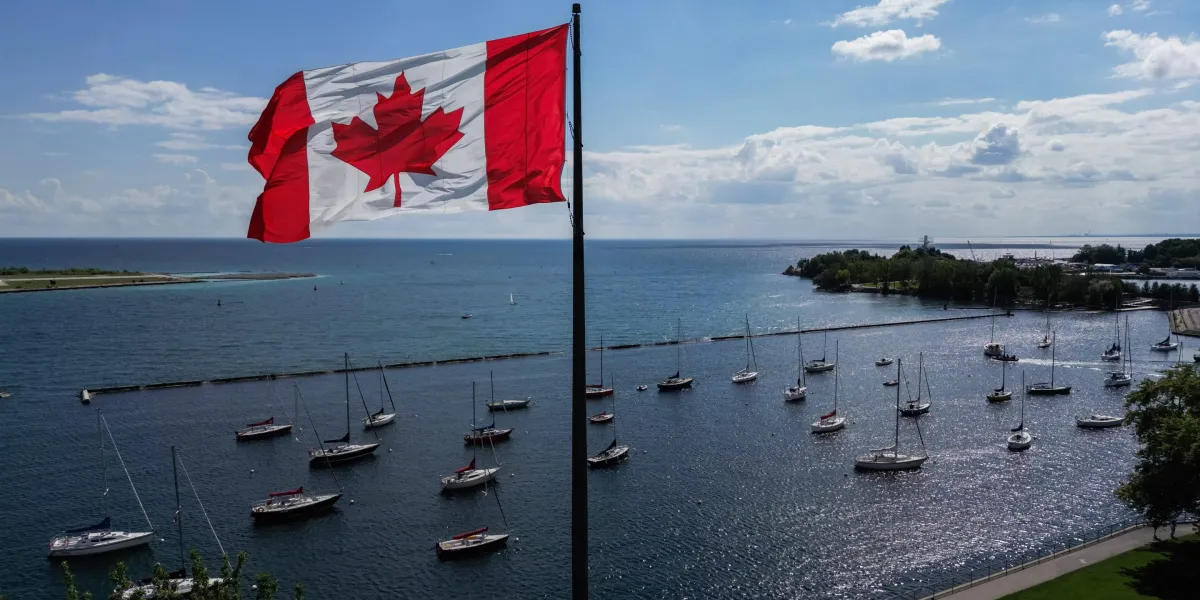
Google Maps has relabeled Lake Ontario as "Lake America" for users in the United States, Alphabet Inc. announced, after President Donald Trump said he would rename the lake amid a trade dispute with Canada.
The company said the decision was prompted by a change in the official U.S. government geographic naming system, which maintains the federal database of standardized place names across the country. That database, maintained by the U.S. Board on Geographic Names, is the standard reference that federal agencies and many commercial map providers rely on, which is why changes to it tend to propagate quickly into widely used consumer mapping products.
Lake Ontario is one of the five Great Lakes of North America, a chain of interconnected freshwater lakes that forms the largest group of freshwater lakes on Earth by total area. Lake Ontario straddles the border between the United States and Canada, bordering the Canadian province of Ontario and the U.S. state of New York. Because the lake is a shared boundary water, a unilateral U.S. naming change does not alter how Canada or international bodies refer to it, underscoring the limits of any single country's naming authority over cross-border features.
Trump clashed with New York Governor Kathy Hochul after she said New York state would not use the new name.
Under the updated labeling, users in Canada will continue to see the body of water labeled as Lake Ontario, while users in the rest of the world will see both names displayed.
"These updates follow our long-standing policy for bodies of water with names that vary from country to country," Alphabet said in a statement. That policy is the same mechanism the company has used for other internationally contested names, applying location-based labels rather than adopting a single global name.
Other mapping platforms have taken different approaches. MapQuest said in a social media post that it will not change the name in its products, while Apple Maps is currently displaying the body of water to U.S. users as Lake Ontario. The divergence illustrates that, unlike Google, some providers are not automatically syncing their maps to the updated federal database, leaving users with inconsistent names for the same body of water depending on which app they open.
The move follows a precedent set last year, when Trump ordered the Gulf of Mexico renamed to Gulf of America, a change that was likewise reflected in Google Maps following updates to the official U.S. geographic naming system. Whether Apple Maps and other platforms eventually follow suit, as happened after the Gulf naming change, remains to be seen.
