Google Agrees to Pay £260m to Settle UK App Store Pricing Class Action
Key Takeaways
- •Alphabet agreed to a £260m settlement of a UK class action alleging Google charged unfair and excessive commissions on Google Play Store transactions.
- •The case was filed at the Competition Appeal Tribunal by competition law professor Barry Rodger on behalf of UK app developers.
- •Google Play has historically charged commissions of up to 30% on digital purchases, drawing legal scrutiny in the EU and the United States.
- •UK developers who sold through the Play Store from August 2018 onwards may be eligible for compensation unless they opt out, subject to CAT approval.
- •Lawyers for the claimants described the deal as the largest settlement to date under the UK's opt-out collective proceedings regime for competition claims.
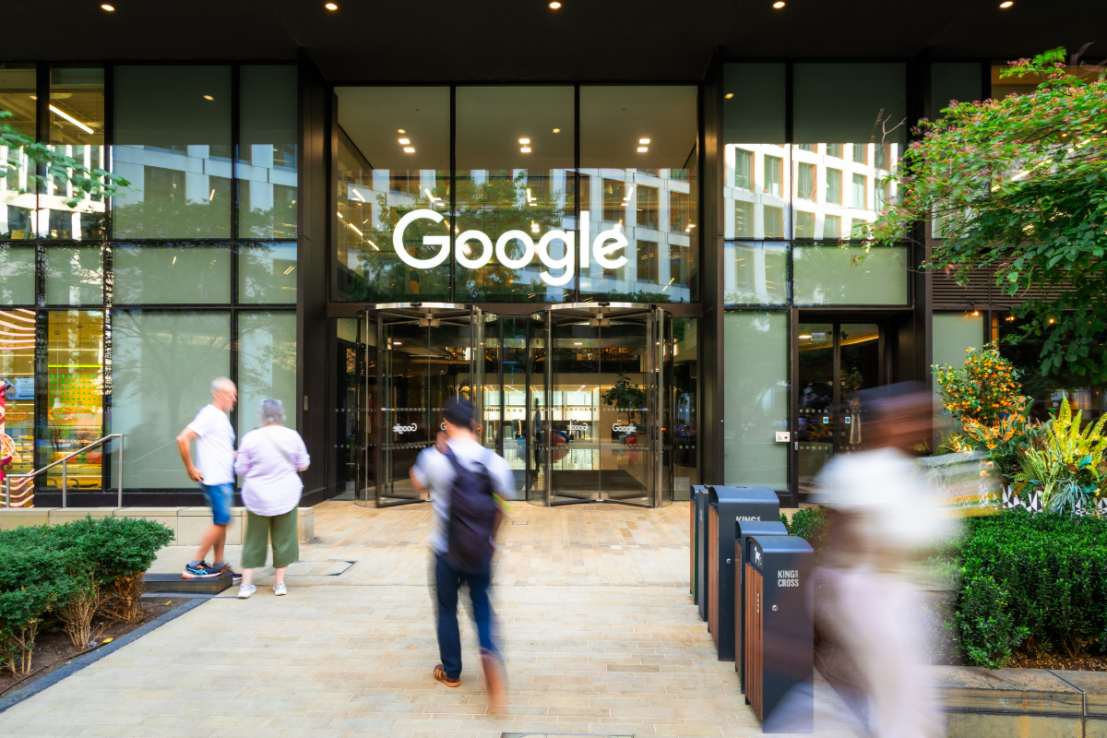
Google’s parent company, Alphabet, has agreed to pay £260m to settle a UK class action lawsuit alleging that the US technology group imposed “unfair and excessive” charges on app developers selling their products through the Google Play Store.
The case was filed at the Competition Appeal Tribunal (CAT) by competition law professor Barry Rodger on behalf of UK app developers. It claimed Google abused its dominant market position by charging excessive commissions on transactions carried out through the Play Store by Android customers. Google Play has historically charged commissions of up to 30% on digital purchases, a rate that has drawn regulatory and legal scrutiny in multiple jurisdictions, including the EU and the United States, where Google has faced parallel challenges to its app store practices.
The dispute had been scheduled for a hearing at the Tribunal on 15 September, but the parties reached a settlement ahead of what was to be a 10-week trial. The deal remains subject to the CAT’s approval, according to a statement from Geradin Partners, the law firm representing the claimants.
Under the terms of the settlement, UK-based app developers who sold content through the Google Play Store from August 2018 onwards are potentially eligible for compensation, provided they do not opt out. Payouts will vary for each developer and will be calculated based on their qualifying sales on the Play Store since August 2018.
Damien Geradin, founding partner of Geradin Partners, described the resolution as “the largest settlement to date” under the UK’s class action regime for competition claims, adding that it “should see money getting into developers’ hands less than three years after the claim was filed.” The UK’s opt-out collective proceedings regime, introduced under the Consumer Rights Act 2015, allows claims to be brought on behalf of entire affected classes without each claimant needing to sign up individually, a mechanism that has made the CAT a focal point for mass claims against major corporations.
Professor Barry Rodger said that if the Tribunal approves the settlement, “meaningful financial compensation will become available for businesses that could never have taken on a company like Google alone.”
Big Tech at the heart of British class actions
The Google case is part of a broader wave of class actions brought against major technology companies in the UK in recent years. Apple became the first big tech firm last year to face a similar trial, after claims were brought against Alphabet over “excessive and unlawful” fees on its app store. That billion-pound landmark case was launched at the Tribunal in 2021 on behalf of nearly 20 million Apple users.
Responding to the settlement, a Google spokesperson said: “We are pleased to reach an agreement with the developers to end this litigation, subject to court approval. We remain committed to supporting the UK developer community in building the next generation of digital experiences.”

