Goliath Ventures CEO Arrested in Alleged $328 Million Crypto Ponzi Scheme
Key Takeaways
- •Prosecutors allege Goliath Ventures collected at least $328 million from investors while directing only about $1 million into cryptocurrency liquidity pools.
- •Delgado faces wire fraud and money laundering charges for a scheme that purportedly ran from January 2023 to January 2026.
- •Court documents indicate fabricated investment statements were provided and funds were spent on Florida properties valued between $1.15 million and $8.5 million each.
- •Withdrawal requests began facing delays in late 2025, and one Seminole County investor reported losing roughly $720,000.
- •Victoria's Voice Foundation received $250,000 of Delgado's $2 million charitable pledge and has set the funds aside during the investigation.
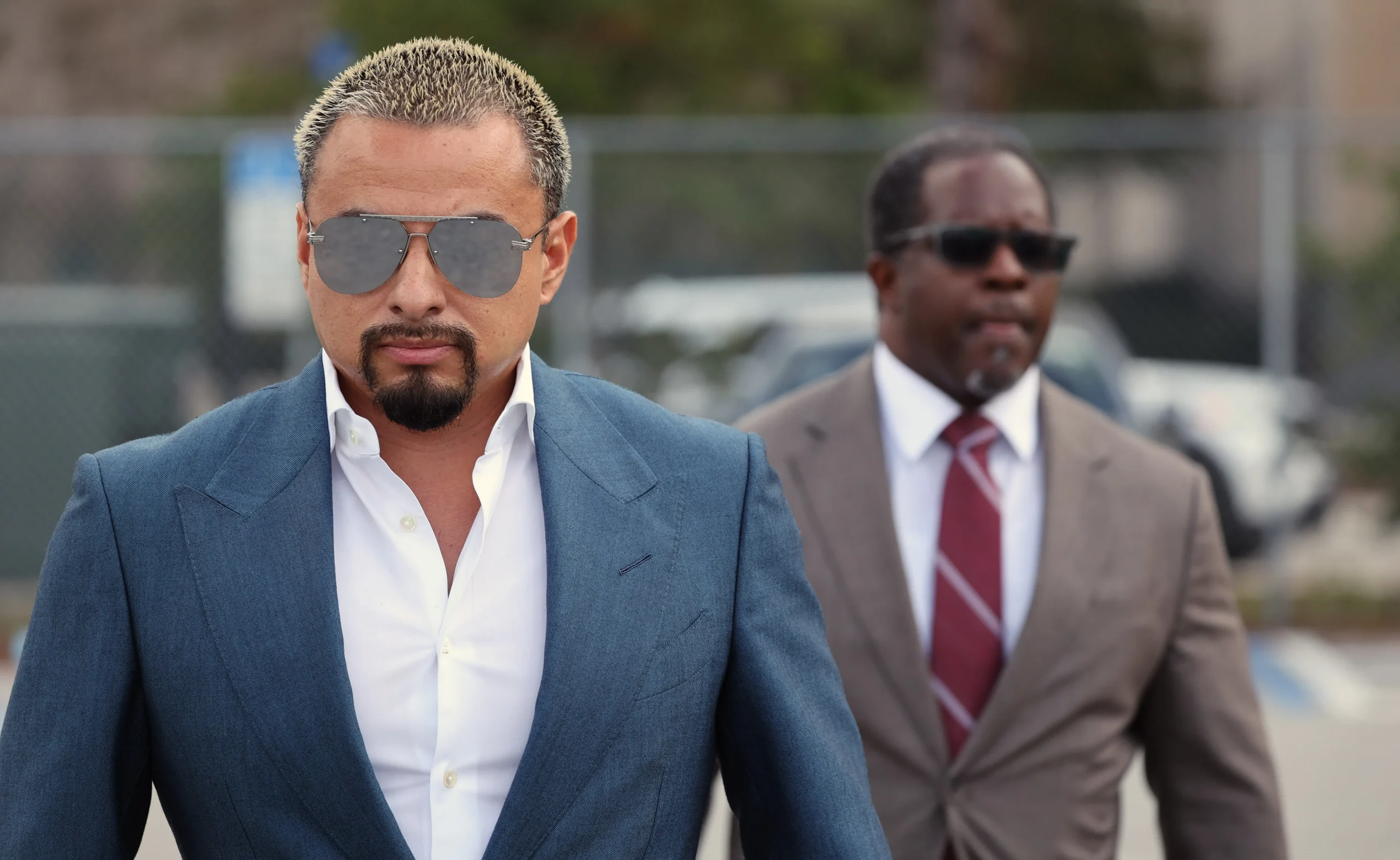
Federal prosecutors have charged Christopher Alexander Delgado, founder and chief executive of Orlando-based crypto firm Goliath Ventures, in connection with an alleged Ponzi scheme that they say took at least $328 million from investors. Federal investigators say only about $1 million of that sum was ever placed into cryptocurrency liquidity pools.
The U.S. Department of Justice announced that Delgado, 34, of Apopka, was charged with wire fraud and money laundering — two of the most commonly used charges in federal fraud prosecutions. Prosecutors said the scheme operated from January 2023 January 2026. According to Orlando Sentinel reporting, Delgado was arrested in February 2026 and made his first court appearance on a Tuesday.
How the Case Developed
Prosecutors alleged that Goliath solicited substantial investments with promises of monthly returns from crypto liquidity pools. Personal referrals, marketing materials, luxury events, charitable sponsorships, and some monthly payments of purported returns helped establish what prosecutors called Goliath's “bona fides.”
Investigators said the firm obtained at least $328 million, while only about $1 million went into a liquidity pool. Funds were used primarily to pay purported returns to earlier investors, return principal to investors who requested it, and cover company gatherings, holiday parties, and luxury travel accommodations. That alleged flow — payouts to earlier investors drawn from newer participants' money rather than from trading profits — is the defining mechanism of a Ponzi scheme.
Court documents cited by the Orlando Sentinel state that Delgado also spent funds personally, including on properties in Windermere, Winter Park, Kissimmee, and Sanford valued between $1.15 million and $8.5 million each. Investigators said Delgado and co-conspirators provided fabricated investment statements to conceal the alleged scheme.
Investors Reported Delayed Withdrawals
Beginning in late 2025, investors seeking principal or purported returns encountered delays and shifting explanations, investigators said. According to court records, Goliath eventually restricted or ended some investors' access to information about their investments.
One Seminole County investor told investigators he lost around $720,000. An acquaintance who claimed to have invested about $1 million and received consistent returns introduced him to a Goliath representative. The investor later signed a June 2023 “joint venture agreement” with Delgado that allegedly misrepresented how the money would be invested. The account mirrors the referral-driven recruitment prosecutors described, in which apparently steady returns served as the enticement for new participants.
The case is among other crypto fraud matters covered by BlockTelegraph, including a jury conviction of a crypto founder and an SEC crypto fraud case. Those are separate matters and do not establish facts about Delgado's case, though together they reflect the steady docket of crypto fraud matters moving through U.S. courts and regulators in recent years.
Charitable Pledge and Court Appearance
Delgado had pledged $2 million by the end of 2025 to Victoria's Voice Foundation for its Angel Army drug prevention and awareness initiative. The nonprofit's executive director said it received $250,000 from Delgado and had not spent the money, and the group's board decided to set those funds aside while the investigation continued.
BlockTelegraph has also reported on a separate JPMorgan lawsuit over Goliath. The civil allegations and the criminal charges are distinct proceedings, and neither depends on the other for its own timeline.
In Delgado's criminal case, a federal judge granted a request to release him from custody after his first court appearance, according to court records cited by the Orlando Sentinel. No later court date or outcome has been reported. The next documented step is the continuation of the federal criminal case — a process that typically runs from indictment through pretrial proceedings and, absent a plea, to trial — and the charges remain allegations unless resolved by a plea or conviction.
This account is based on Orlando Sentinel reporting.

