Goldman Sachs Discloses 7.2% Passive Stake in Nebius Group, Formerly Yandex
Key Takeaways
- •Goldman Sachs reported a 7.2% passive ownership position in Nebius Group as of June 30, 2026, establishing the bank as one of the company's largest institutional shareholders.
- •The bank has functioned as Nebius's exclusive financial advisor since October 2024 and played a role in arranging a $775 million secured debt financing that closed in July 2026.
- •Nebius posted Q1 2026 revenue of $399 million, reflecting a 684% year-over-year surge following its 2024 sale of Russian operations for $5.4 billion and rebranding from Yandex.
- •In May 2026, Nebius unveiled plans for a Pennsylvania AI data center with up to 1.2 gigawatts of capacity, positioning it among the larger dedicated AI infrastructure projects in North America.
- •Goldman Sachs analysts maintain a Buy rating on NBIS shares with price targets between $205 and $286, though the firm's overlapping advisory, lending, and equity roles may invite scrutiny over research independence.
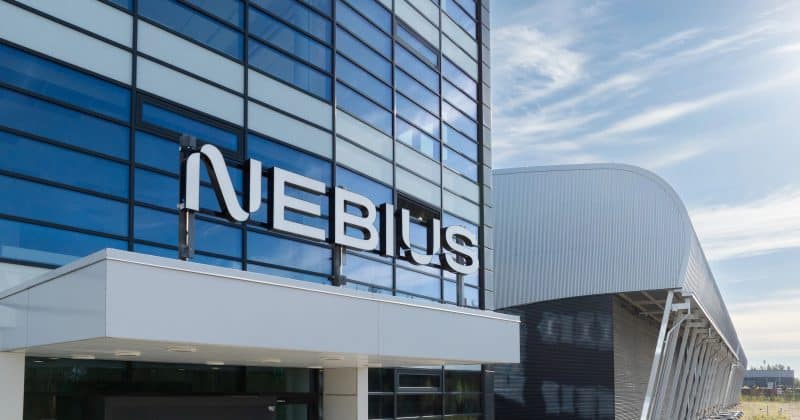
Goldman Sachs has disclosed a 7.2% passive ownership position in Nebius Group N.V., the Nasdaq-listed AI infrastructure company formerly known as Russian tech giant Yandex. The stake, reported as of June 30, 2026, through an SEC filing, deepens a relationship between the two firms that has been building for nearly two years. The disclosure positions Goldman among the largest institutional holders of a company competing in the GPU cloud infrastructure market, a segment that has drawn outsized capital commitment as demand for AI compute capacity continues to outpace available supply.
Goldman's involvement with Nebius is not incidental. The bank was appointed exclusive financial advisor to the company in October 2024, charged with conducting a strategic options review. Since then, Goldman has helped structure a $775 million secured debt financing that was completed in July 2026.
From Yandex to AI Infrastructure
Nebius has undergone one of the most dramatic corporate transformations in recent tech history. Formerly Yandex N.V., the company sold its Russian operations in 2024 for $5.4 billion and rebranded in August of that year under the Nebius name, pivoting sharply toward GPU cloud infrastructure for AI workloads. The post-divestiture entity retained Yandex's international technology assets and applied proceeds from the sale toward building out data center and compute capacity during a period when enterprises and AI labs were racing to secure long-term GPU access.
The company's financial results have lent substance to that narrative. In Q1 2026, Nebius reported revenue of $399 million, a 684% increase year-over-year. Goldman Sachs analysts have maintained a Buy rating on NBIS shares, with price targets ranging from $205 to $286.
Goldman's Dual Role Under Scrutiny
A 7.2% passive stake indicates that Goldman Sachs is not seeking board representation or operational control. The bank's participation in the $775 million debt financing syndicate completed in July 2026 signals lender confidence in Nebius's asset base and revenue visibility.
In May 2026, Nebius announced plans for a new AI facility in Pennsylvania with power capacity of up to 1.2 gigawatts. Dedicating that capacity to GPU clusters for AI training and inference workloads constitutes a substantial infrastructure commitment and would rank among the larger dedicated AI data center projects announced in North America.
Goldman's dual role as both financial advisor and equity holder introduces a dynamic that warrants ongoing attention. Analysts covering NBIS from the same institution holding a 7.2% passive stake will inevitably face questions about the independence of their ratings. The Buy rating and $205-to-$286 price target range are not inherently questionable, but investors reviewing Goldman research on Nebius should consider the full scope of that relationship. Key markers ahead include the Pennsylvania facility's buildout timeline, Nebius's ability to secure additional power and GPU allocations, and whether the company's triple-digit revenue growth rates can be sustained as the GPU cloud market becomes more competitive.

