Goldman Says September Fed Hike Is Very Unlikely as Inflation Eases
Key Takeaways
- •Goldman Sachs chief economist Jan Hatzius said a Federal Reserve rate increase at the September 15-16 FOMC meeting is very unlikely after two months of materially softer jobs and inflation data.
- •Hatzius reiterated Goldman's view that market pricing for the funds rate remains too hawkish, with the bank's baseline forecasts pointing to further improvement rather than renewed deterioration in inflation.
- •CME FedWatch data cited by CoinDesk places the odds of a 25 basis point September hike at around 30%, and traders have pushed back expectations for the next increase from December to January.
- •Goldman expects the US Treasury yield curve to steepen, attributing the view to cooling price pressures, fading rate-hike expectations, and concerns about the US fiscal outlook.
- •Two-year Treasury yields remain above 4%, suggesting shorter-dated instruments have not yet fully reflected Goldman's more dovish rate outlook.
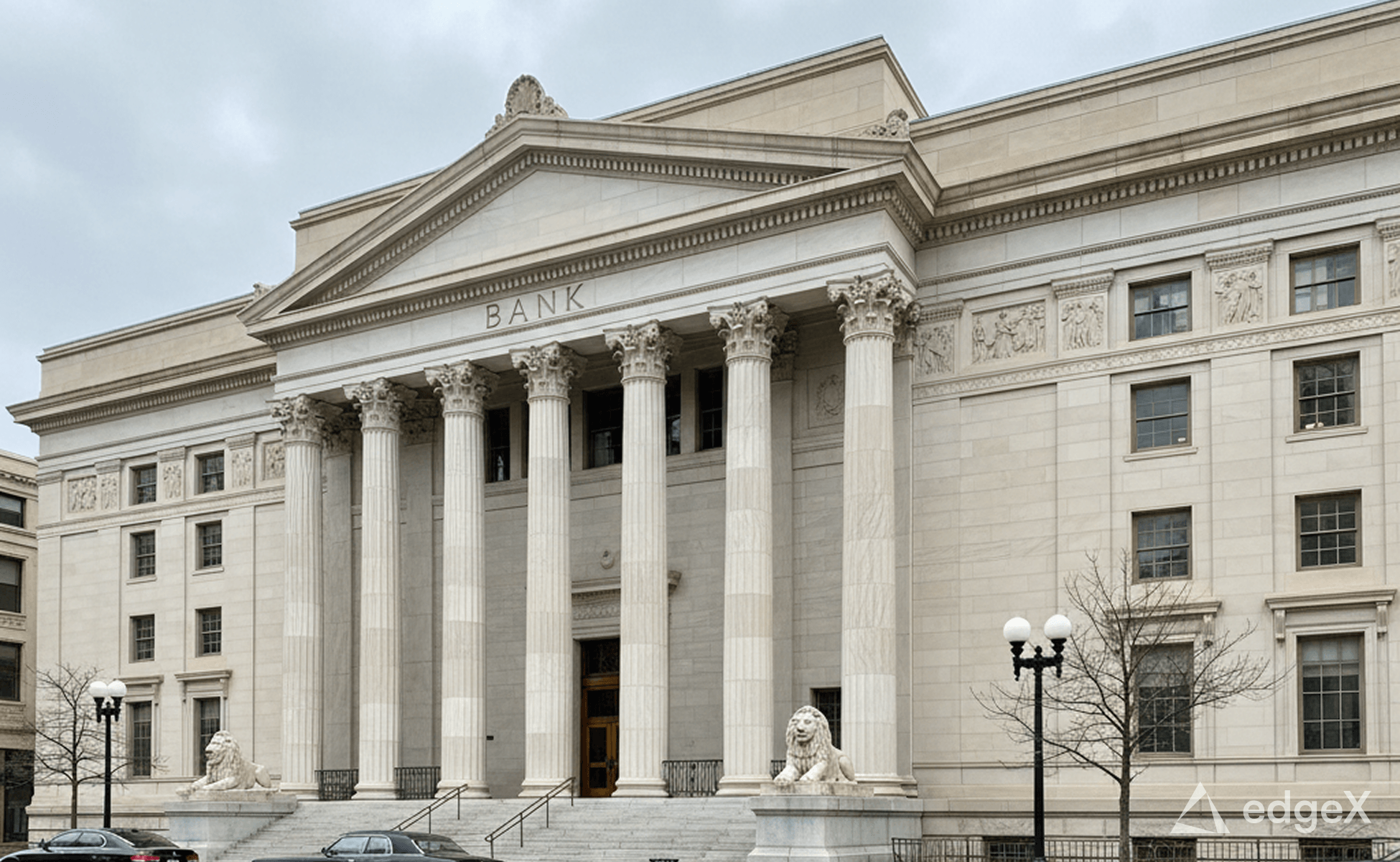
Goldman Sachs chief economist Jan Hatzius said a September Federal Reserve rate increase is very unlikely, arguing that market expectations for additional hikes remain too aggressive given the recent path of inflation and other economic data, according to Bloomberg (gated).
In a note published Sunday, Hatzius pointed to a series of softer readings, including sluggish retail sales, weak jobs data, and decelerating price pressures, as reasons to doubt that the Federal Open Market Committee will act at its September 15-16 meeting. He wrote that after two months of materially softer jobs and inflation data, it is difficult to see any of the committee's doves shifting toward support for a hike. The September sitting is one of the four meetings each year at which the Fed also publishes its quarterly "dot plot" of officials' projections for the funds rate, so the decision will arrive alongside a fresh summary of where policymakers expect rates to head.
Hatzius said Goldman's baseline forecasts point to further improvement in inflation rather than a renewed deterioration later in the year. He reiterated the bank's view that market pricing for the funds rate remains too hawkish.
Market pricing has already started to adjust. CME FedWatch data, as cited by CoinDesk, places the odds of a 25 basis point hike to the 3.75%-4% target range at around 30% heading into the September meeting, following softer-than-expected July inflation data. FedWatch derives those probabilities from fed funds futures, the market where traders directly price expected moves in the policy rate, making it a real-time gauge of how rate expectations shift with each data release. Traders have also pushed back expectations for the next 25 basis point hike to January, a shift from the previous week, when a December move had been fully priced in.
Goldman also flagged the US Treasury yield curve as positioned to steepen — meaning the gap between longer-dated and shorter-dated yields would widen. The bank attributed that view to cooling price pressures, fading expectations for rate hikes, and growing concerns about the US fiscal outlook. Two-year Treasury yields, which are among the most sensitive to changes in Federal Reserve policy, remain above 4%, suggesting the market has not yet fully reflected Goldman's more dovish view in shorter-dated instruments.
Goldman's call, if correct, would extend the reset already underway in market pricing. The bank said the combination of softer inflation, weaker economic releases, and lower hike expectations should continue to shape Treasury market positioning in the period ahead. The funds rate anchors short-term borrowing costs across the economy, and officials will have another round of employment and inflation data in hand before they meet — the numbers that both futures pricing and Goldman's own call are keyed to.
Earlier:
Jackson Hole hype outruns Warsh playbook of saying as little as possible
Goldman's chief economist said the market is still pricing in too many rate hikes given how quickly the data has changed, and he expects the Treasury curve to reflect that shift as it unfolds.

