Gold Holds Above $4,100 as Weakening Dollar Offsets Hawkish Fed Signals Amid US-Iran Tensions
Key Takeaways
- •Gold prices remain above $4,100 as a softer U.S. dollar offsets the downward pressure typically associated with expectations of further Federal Reserve interest rate hikes.
- •Escalating tensions between the United States and Iran are injecting a geopolitical risk premium into the market, driving investors toward gold as a safe-haven asset.
- •A weaker dollar reduces gold's cost for buyers holding other currencies, stimulating demand and neutralizing the effects of the Fed's hawkish tightening stance.
- •Concerns about potential disruptions to energy supplies through the Strait of Hormuz are contributing to broader market uncertainty and supporting gold prices.
- •Gold's near-term direction will likely depend on whether the dollar continues to weaken or whether Fed tightening rhetoric and any de-escalation of U.S.-Iran tensions shift the balance.
- •Market participants are closely monitoring both Federal Reserve communications and geopolitical developments as the primary drivers of gold's next directional move.
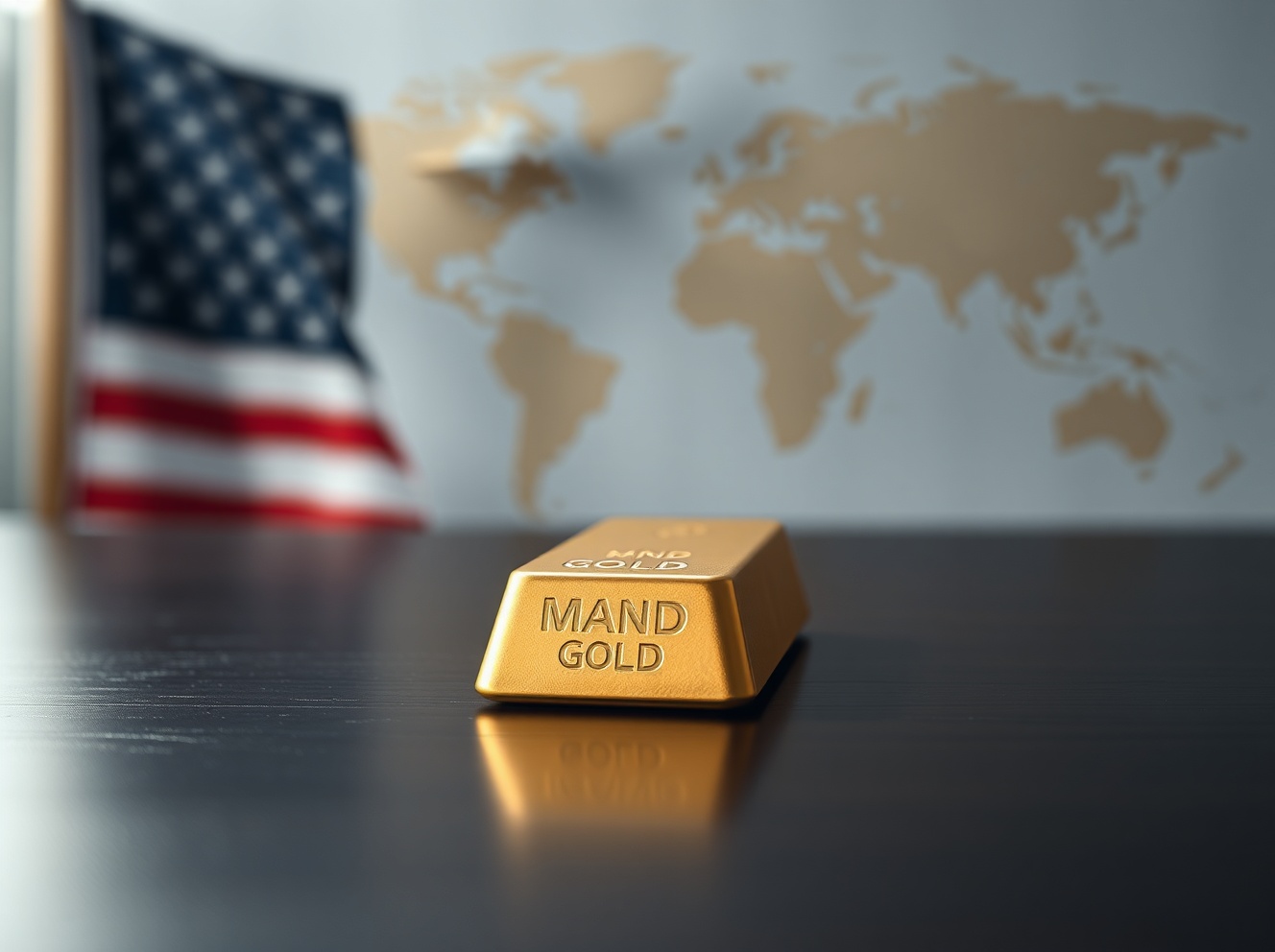
Gold prices are maintaining levels above $4,100, buoyed by a softening U.S. dollar that is counteracting market expectations of further Federal Reserve interest rate hikes. The precious metal's resilience persists as escalating tensions between the United States and Iran inject geopolitical uncertainty into global markets, fueling safe-haven demand. Gold has historically served as a store of value during periods of currency debasement and geopolitical instability, and the current environment reflects both dynamics acting simultaneously.
Dollar Softness Counters Fed Hawkishness
The U.S. dollar has weakened across recent trading sessions, providing a tailwind for dollar-denominated gold. A softer dollar reduces the cost of gold for buyers holding other currencies, stimulating demand. This dynamic is currently offsetting downward pressure from hawkish Federal Reserve signals, with the central bank indicating that additional rate hikes may be necessary to rein in persistent inflation.
The interplay between a weakening currency market and a tightening-oriented central bank has created a complex landscape for gold investors, where traditional monetary policy headwinds are being neutralized by currency movements. This tension is noteworthy because higher interest rates typically diminish gold's appeal by raising the opportunity cost of holding a non-yielding asset, yet the dollar's decline is currently dampening that effect.
Geopolitical Risk Premium from US-Iran Escalation
Renewed escalation in tensions between the United States and Iran is providing additional support for gold prices. The situation has introduced a geopolitical risk premium into the market as investors seek refuge in traditional safe-haven assets.
Uncertainty surrounding potential disruptions to energy supplies and broader regional instability is driving a flight to quality, further underpinning the precious metal. The Strait of Hormuz, through which a significant portion of global oil shipments pass, remains a focal point for markets assessing the fallout of any escalation. This geopolitical factor marks a key differentiator from earlier periods when gold was driven primarily by monetary policy expectations alone.
Outlook for Market Participants
The current environment suggests gold may remain well-supported in the near term. The combination of a weak dollar, persistent inflation concerns, and heightened geopolitical risk provides a multi-faceted foundation for prices.
However, a significant shift in Federal Reserve rhetoric or a de-escalation in U.S.-Iran tensions could rapidly erode these supports. Market participants are monitoring both central bank communications and geopolitical developments closely, as these factors are expected to be the primary drivers of gold's next directional move.
Gold's position above $4,100 reflects a delicate balance between opposing forces: a weakening dollar and geopolitical anxiety on one side, and hawkish Fed rate hike expectations on the other. The outcome will likely hinge on whether the dollar continues its slide or whether the Fed's tightening stance ultimately regains dominance. For now, the precious metal remains a focal point for traders navigating monetary uncertainty and geopolitical risk.
Source: BitcoinWorld

