Gofo Doubles Dallas Hub Capacity as Parcel Network Rapidly Expands in 2026
Key Takeaways
- •The new Dallas facility adds roughly 200,000 square feet with a double-deck cross-belt sorter that processes up to 45,000 parcels per hour, doubling daily capacity to 800,000 pieces.
- •Gofo's network now spans more than 12,000 Zip codes—about 75% of the U.S. population—with 300 hubs and stations, up from 100 facilities and 8,000 Zip codes last fall.
- •The company expects parcel volume to run 50% above normal weekly levels between Thanksgiving and Christmas, with over 6 million pieces handled on the peak day, double last year's busiest day.
- •Gofo has kept its policy of no peak-season surcharges, contrasting with holiday fees announced by FedEx and the U.S. Postal Service.
- •A larger sorter is being installed at the Houston hub and is due to enter service by November, giving Gofo two automated hubs in Texas.
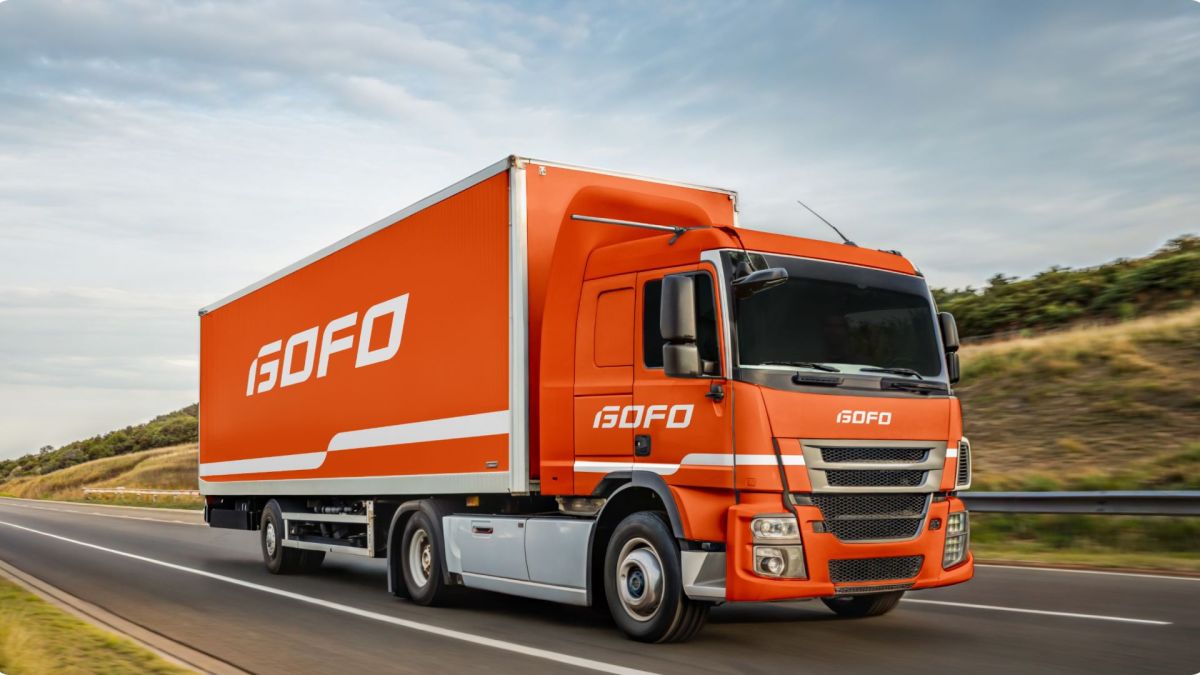
Parcel delivery startup Gofo has doubled the capacity of its Dallas processing center, moving into a new building equipped with automated sortation machinery as it races rival regional carriers to build national scale.
The enlarged terminal comes online ahead of the peak season rush, enabling the company to absorb higher volumes in the central United States rather than adding temporary facilities mid-season. Gofo expects parcel volume to jump 50% above normal weekly levels between Thanksgiving and Christmas. Building permanent capacity before peak rather than leasing seasonal space is a playbook used across the parcel industry, where the fourth-quarter surge between Thanksgiving and Christmas routinely stresses networks and has historically pushed carriers toward peak surcharges and volume caps.
The company inaugurated the new facility last week, adding roughly 200,000 square feet of space along with a large-scale double-deck cross-belt sorter. The site has 42 dock doors and can handle up to 45,000 parcels per hour, doubling daily capacity to 800,000 pieces per day, Gofo said in a news release on Tuesday.
The Dallas hub is the third anchor of Gofo's U.S. network, following the opening last year of super hubs in Newark, New Jersey, and Los Angeles.
Gofo, founded in 2023, is one of many independent carriers disrupting the parcel sector and challenging legacy providers such as FedEx, UPS and the U.S. Postal Service. The shift has been fueled in part by the years-long boom in e-commerce parcel volumes, which lowered the barrier for shippers to split volumes across multiple carriers rather than relying on a single national provider. Much of Gofo's e-commerce business comes from retailers in apparel, health and beauty, vitamin supplements, small consumer packaged goods and electronics. Its network now covers more than 12,000 Zip codes — equivalent to about 75% of the U.S. population — with 300 hubs and stations, up from 100 facilities and 8,000 in-network Zip codes last fall.
Experts say the challenge for alternatives to the legacy carriers is that building the shipment density required for profitable economies of scale is extremely difficult beyond 10,000 Zip codes.
"It's the smaller mid markets that they have trouble getting to because they don't have the volume to run full tractor trailers or even midsize box trucks," said one industry consultant, speaking generally about the newer couriers. "Everybody can perform quite well where the volume and densities are at in these major markets."
Gofo says it now has more than 400 linehaul routes, up from 30 a year ago.
The company has attracted business so far with aggressive rates, but the current strategic expansion is designed to ensure high service levels and reduce transit times. Gofo's rates are 15% to 50% lower than many competitors, depending on how much a customer spends overall, Chief Sales Officer Vincent Damato said on an episode of Bloomberg's "Talking Transports" podcast in February.
In March, the company said the expanded scope and density of its network, together with process and technology upgrades, would allow it to tighten its nationwide delivery standard to within five days of tendering, down from one-to-seven days, by this year's holiday shipping season.
Gofo recently opened five new primary and secondary hubs across Arizona, Utah, Indiana, Ohio and Pennsylvania, significantly strengthening its operational footprint.
The company has also augmented capacity at its coastal hubs ahead of peak season. The Newark facility was expanded to 800,000 square feet this year, double the size of the previous location, and can now process 100,000 parcels per hour, up from 40,000. The Los Angeles super hub is now 750,000 square feet, with a sorting speed of 90,000 parcels per hour. Each has a daily capacity of more than 1 million parcels.
The courier has also expanded its footprint in Europe this year.
Gofo did not disclose how much it spent to rent and outfit the new facilities this year. The exact source of its capital is unclear, but one of its backers is known to be Zongteng Group, a Chinese cross-border e-commerce logistics provider.
Dallas details
The last-mile carrier began operating in Dallas in October 2024 and opened its Houston hub in September 2025. With the new facility and automation upgrade, Dallas is now Gofo's strategic hub for the central United States, the company said.
The large hub serves as a connection point between the East and West coasts while boosting handling capacity across the central and southern U.S. Gofo said it can now deploy shorter linehaul lanes to core markets such as Texas, Oklahoma and Louisiana, allowing for more efficient milk runs and consistent transit times. For longer hauls, the hub's central location breaks coast-to-coast runs into shorter legs, letting the network add volume without adding transit time. Texas has been a focal point for parcel network investment industry-wide, given the state's large and fast-growing population and its position astride major north-south and east-west freight corridors.
Earlier this year, Gofo said better linehaul discipline allows 80% of shipping lanes to consistently meet scheduled arrival benchmarks. Unified transit-time targets mean dispatch schedules are based on arrival-time targets, with shipments meeting minimum load thresholds released early instead of waiting for fixed departure slots. Staggered dispatching, balanced capacity utilization and team drivers help provide consistent middle-mile traffic feeding hubs and stations, it explained.
"This facility is the centerpiece of our Texas growth," said Ron Jansen, GOFO's chief commercial officer for North America, in the announcement. "With this hub in place, we now reach over 90% of the population in Texas, making Texas the state with the highest coverage across our entire network."
The high-tech sorting machine incorporates six-sided barcode scanning, dynamic weighing and dimensioning to create a complete data record for every parcel — from small boxes to cartons, poly bags, foam containers and padded mailers — across a wide range of sizes and weights. Beyond speed, the automation investment means fewer manual touches per parcel, shorter dwell time inside the facility and extra capacity for future growth, Gofo noted.
Gofo has also invested in a holistic intelligence system behind the physical network that integrates order management and transportation management systems, providing track-and-monitoring capability from headquarters down to hubs, stations and delivery service partners. Consignees receive delivery milestones and real-time updates. The operating platform, called Atlas, provides decisionmaking tools, dispatch orchestration and routing optimization for managers, the company said.
At the hub level, Atlas draws on live scan and network data to continuously update parcel locations and routing, and applies predictive analytics to flag potential capacity risks for operations teams in advance.
A large hub in Dallas allows retailers and logistics providers to position inventory closer to core consumer markets and reduce middle-mile transport, while giving delivery contractors and drivers a steadier base of business as the network scales, Gofo said. Its customers include TikTok Shop, Shopify, AliExpress, e-commerce logistics provider ShipSquared and fulfillment company Our Serviceworks.
"Automation gives us throughput; Atlas is what turns that throughput into reliability our shippers can plan around," said Vincent D'Amato, GOFO's chief sales officer for North America. "Dallas is a milestone, not a finish line. We will keep adding capacity where our shippers' volume is growing."
The carrier's plan to upgrade automation and management systems at 13 primary and secondary hubs nationwide is on track to be completed ahead of peak season, according to the news release. A larger-scale sorter is currently being installed at the Houston hub and is due to enter service by November, giving Gofo two automated hubs in the state and more handling capacity in the central region.
More than 6 million pieces are expected to be handled on the single busiest day of this peak season — double last year's busiest day.
While carriers such as FedEx and the U.S. Postal Service have announced extra fees for the holidays, Gofo has maintained its policy of no peak-season surcharges. For shippers weighing carrier options this peak season, the contrast between surcharge policies and service commitments across legacy and independent carriers will be a key variable to watch as volumes climb.

