Global Diesel Squeeze Set to Outlast Middle East War as Crack Spreads Hit Records
Key Takeaways
- •European diesel prices have risen 70% above pre-war levels, and the US diesel crack spread reached triple digits for the first time, peaking near $102 per barrel.
- •The International Energy Agency estimates that hostilities have knocked out up to a fifth of Middle East refining capacity, totaling around 9.6 million barrels per day.
- •Ukrainian drone strikes on Russian refineries have triggered fuel shortages and an export ban, removing the world's second-largest diesel exporter from the market.
- •US fuel exports hit an all-time weekly average high of 1.9 million barrels per day, but Bank of America analysts warn the flows are draining already tight domestic inventories.
- •Global refinery runs in the second quarter ran 5.1 million barrels per day below last year's levels, and analysts warn the fuel squeeze and elevated inflation could last for months even if the war ends.
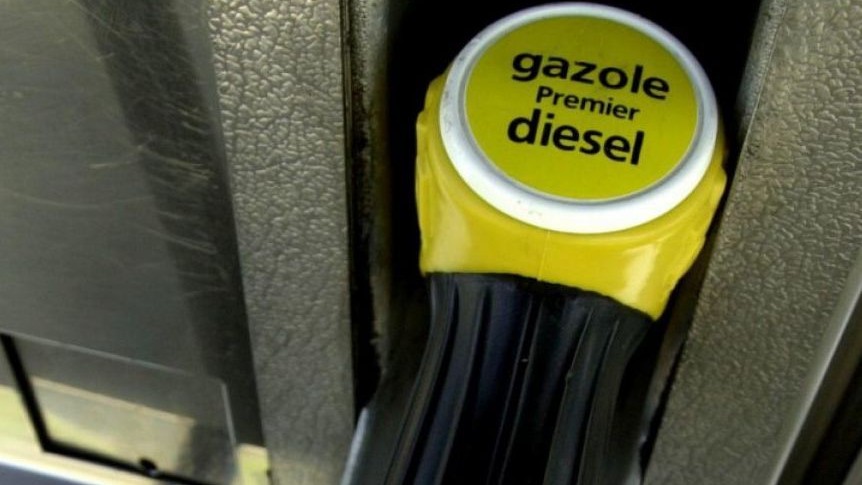
The outlook for the Middle East war remains grim, the United States has just threatened Iran with the "toughest sanctions in history," and the world is running out of stored fuels. Refining capacity, meanwhile, is down considerably — and even if the outlook for the war suddenly changed and Washington and Tehran made peace, the fuel squeeze would last for months, and so would its adverse effects on the global economy.
Watching crude oil prices, one would think everything is under control. Both Brent and West Texas Intermediate are trading below $100 per barrel, even though each benchmark is up by around $20 per barrel from pre-war levels. The rise in crude, however, has been far more moderate than the surge in refined fuel prices. Diesel in Europe, for instance, is up 70% from pre-war levels, as Reuters' Ron Bousso reported this week.
A separate Reuters report showed that diesel now costs more in Europe than jet fuel. Citing data from LSEG, the publication noted that this is the first time in over a year that the price difference between the two fuels is in favor of diesel. In the United States, the diesel crack spread — the gap between the price of the fuel and the crude it is made from, in effect the refiner's margin — hit triple digits earlier this week for the first time ever, with the premium over crude prices jumping as high as $102 per barrel on Monday before easing slightly to about $100 per barrel on Tuesday.
Refinery margins are running at record highs across the world as the energy crisis unfolds. The first aspect of the crisis — the tighter supply of crude from the Middle East — has been obvious enough, given that the media has covered the topic on a daily basis for more than six months. Less obvious, but no less consequential, is the damage sustained by refineries in the Middle East itself. According to the International Energy Agency, as much as a fifth of that refining capacity, totaling some 9.6 million barrels daily, has been knocked out by hostilities.
In addition to the Middle East crisis, the relentless barrage of drone strikes by Ukrainian forces against Russian refineries has led to fuel shortages and a ban on exports designed to secure more domestic supply. As a result, the world's second-largest diesel exporter is closed for business, leaving the market for the "workhorse" fuel of the economy — the fuel that powers most of the world's trucks, ships, farm machinery and construction equipment — even tighter. There are not enough refineries outside the Middle East and Russia to handle demand, and that shortfall is structural: most of the refining capacity added worldwide in recent years has been built in Asia and the Middle East, while a wave of closures and conversions has left Europe and North America with less spare capacity. New refineries take years to plan and build, so supply cannot respond quickly even if the fighting stops.
That demand, however, remains substantial. The United States, which has been insulated from the more direct effects of the two hot wars, has been ramping up fuel exports, with shipments hitting an all-time weekly average high of 1.9 million barrels daily. Those shipments have helped fill part of the supply gap left by Russia and the Middle East. But the exports have been driven this high not only by higher-than-usual refinery utilization rates; those rates have been supplemented by inventory draws, and that may become a problem.
"Those flows are drawing down already tight U.S. inventories, the only major hub open for business, creating a global competition for fuel that is pushing diesel cracks back toward record seasonal highs," Bank of America analysts warned in a note earlier this week, as quoted by the Wall Street Journal. The situation is especially serious in diesel because, as Goldman Sachs analysts also warned this month, stocks of the fuel globally were already tight before the war in the Middle East began.
What this means is that inflation risks have surged and may well remain elevated for years, with global refinery runs in the second quarter of the year running 5.1 million barrels daily below last year's levels, according to IEA data cited by Bousso. Yet demand for fuels fell by some 4 million barrels daily, which left a gap of over 1 million barrels daily — and that demand destruction was not voluntary. It was forced by soaring prices. In other words, demand destruction would not be very effective as protection against inflation.
According to Bousso, the real energy crunch is only just starting. One could argue it began in March, but it took more time to become evident because it was a creeping crisis rather than a flashy, sudden event. That it will get worse still is hard to argue. Europe is especially exposed, having long consumed more diesel than it refines and depending on imports to cover the gap. "Europe has a tremendous diesel problem," Eugene Lindell, head of refined products at consultancy FGE NexantECA, told Bloomberg earlier this month. "It will get ugly in the sense that you will probably see extremely high flat prices."
Nor will the pain be confined to Europe. The whole world uses diesel, and a lot of it — and as the weather gets colder in the northern hemisphere, demand for the fuel rises, both for transport and for heating. Because diesel powers the freight and machinery that move goods to market, its price feeds into the cost of almost everything else. Inflation is already climbing: a 3.4% consumer price jump in the United States and eurozone prices up 2.9%, both on the back of higher energy costs, tell a short but compelling story about energy security. That may just be the beginning of the ripple effect of the wars on the world — and the markers to watch in the weeks ahead are weekly inventory and refinery-run data, the pace of repairs at damaged plants, and the durability of export flows from the few suppliers still shipping.
By Irina Slav for Oilprice.com
Source: OilPrice.com

