Ghanaian Startups Raised $221 Million Since 2022, but Local Investors Joined Just 6% of Deals
Key Takeaways
- •Ghana has raised $221 million in venture capital since mid-2022, positioning it among the most balanced startup ecosystems outside Africa's Big Four markets of Nigeria, Egypt, Kenya and South Africa.
- •The two largest funding rounds, by Fido and Complete Farmer, represented roughly 31% of Ghana's total, a more even distribution than in Morocco, where the top two took 36%, or Senegal, where they captured 77%.
- •Ghana-based investors participated in only 6% of deals since mid-2022, meaning 94% of funding decisions were made by investors outside the country.
- •The ecosystem recorded six tech startup exits since mid-2022, the largest being the $119 million acquisition of Ghana-founded insurtech Bima by Mobile-health Network Solutions in May.
- •Venture funding into Ghana appears to be shrinking, with only $79 million — 35.7% of the four-year total — raised between 2025 and 2026.
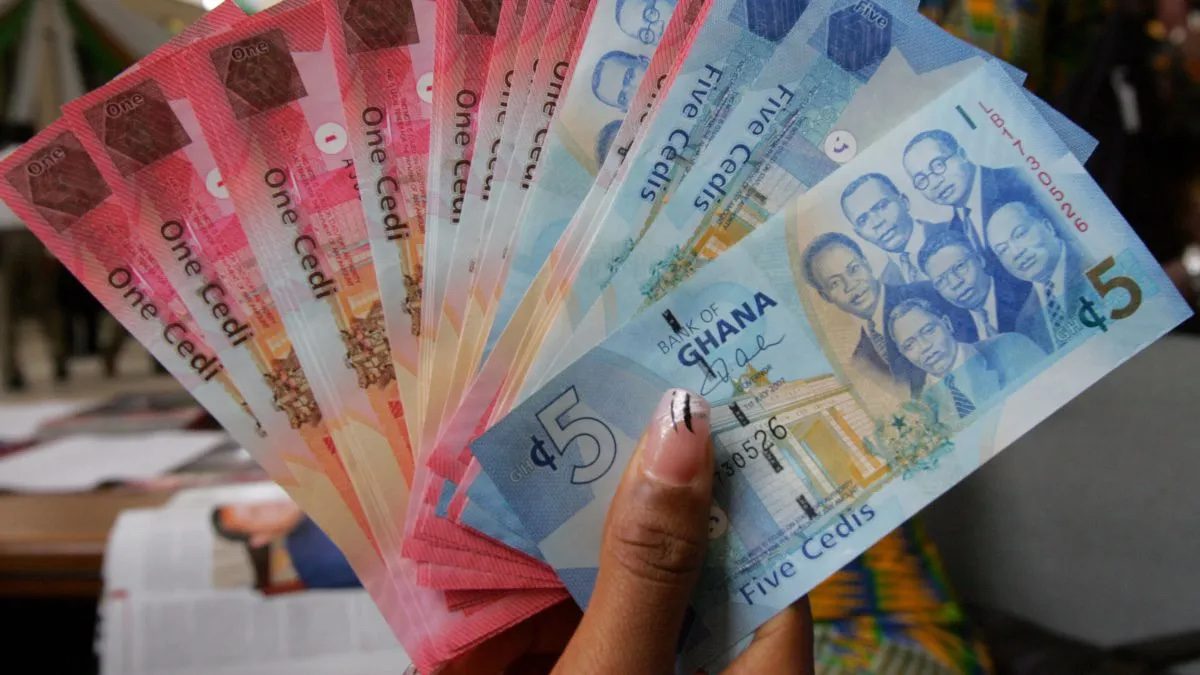
Ghana sits well outside Africa's "Big Four" tech startup markets — Nigeria, Egypt, Kenya and South Africa, the group that together attracts the bulk of the continent's venture funding. Even so, the West African country is regarded as one of the most balanced startup ecosystems beyond that leading group, a position reflected in venture capital inflows that have reached $221 million (about 2.6 billion cedis) since mid-2022.
The haul, however, is concentrated at the top: two funding rounds — those of Fido and Complete Farmer — accounted for roughly 31% of the total. Even then, Ghana's distribution compares favorably with some peers. In Morocco, the two largest fundraisers over the same period, CashPlus and Nuitee, took 36% of the country's total, while in Senegal the two biggest rounds, by Wave and Africa REN, represented 77% of funding.
Ghana also has one of the healthiest early-stage markets outside the Big Four. Some 72 startups from the country have raised $100,000 or more since mid-2022, and 32 Ghanaian startups have secured early-stage funding of between $100,000 and $1 million since 2025. That early-stage breadth matters: rounds of this size form the pipeline from which larger, later-stage rounds are typically drawn, so a deep bench of sub-$1 million fundraisers is one measure of an ecosystem's long-term capacity.
Exit activity has been more modest, with six tech startup exits recorded since mid-2022, three of them since 2025. Among the largest was the acquisition of Bima, a Ghana-founded insurtech pioneer, by Mobile-health Network Solutions in a $119 million deal in May. Exits are a meaningful signal for any ecosystem because they return capital to earlier backers and can free founders and resources for new ventures.
Weak local capital weighs on funding trajectory
Ghana's venture capital performance over the last four years reflects several realities, the most telling being local investor participation and the paucity of local capital. Ghana-based investors have taken part in only 6% of deals since mid-2022, meaning 94% of deals went ahead without their involvement. In practical terms, nearly all of Ghana's startup funding is decided by investors outside the country, tying the ecosystem's trajectory to capital flows and decisions made well beyond its borders.
The shortfall stems from a scarcity of venture capital firms, disinterest from institutional investors who lack faith in the country's tech ecosystem, and a lack of angel investor networks that understand the local tech scene.
The operating environment has not been encouraging, either. According to some reports, many early-stage founders run their startups more like extended side hustles than formal, compliant businesses, often lacking clean financial records, formal governance, or proven product-market fit. That can lead to grave governance mistakes, such as inflating metrics, which in turn have triggered regulatory backlash, including the Bank of Ghana — the country's central bank — cracking down on non-compliant fintechs.
Talent is another notable problem. Skilled software engineers and other tech professionals emigrate to other countries, while many who stay behind still work for foreign companies to earn in stronger currencies. Consequently, attracting committed local tech talent — and retaining it — has become challenging and expensive. These factors make investors cautious about committing money to the ecosystem.
The country's small market size is another factor limiting startups and putting investors off, making scaling quite difficult. With a population of about 36 million, of which only about 21.8 million are working class, the addressable market is quite small and growth remains limited — a fraction of the home market available to founders in nearby Nigeria, Africa's most populous country. Purchasing power is not strong enough to make the small population a qualitative one, so scaling prices becomes tricky.
Expanding outside the country is difficult as well, because Ghana is surrounded by neighbors that present complex barriers spanning language, payment systems, regulations and logistics. Its immediate neighbors — Côte d'Ivoire, Burkina Faso and Togo — are francophone markets that use the West African CFA franc rather than the cedi, adding language and currency hurdles to any regional expansion push.
Venture funding into Ghana also appears to be dwindling. Of the $221 million raised over the last four years, only $79 million — 35.7% — was raised between 2025 and 2026, a slowdown suggesting that venture funding into the country is shrinking. How the two most telling indicators — local investor participation and annual funding totals — move in upcoming periods will indicate whether these structural gaps begin to narrow.

