Germany Scales Back Tehran Embassy Operations as Tensions Rise
Key Takeaways
- •Germany has reduced its Tehran embassy operations and called on German nationals to leave Iran due to escalating regional tensions.
- •The embassy drawdown does not constitute a break in diplomatic relations but serves as a standard measure to signal elevated risk and protect remaining staff.
- •Germany remains a party to the 2015 Iran nuclear agreement alongside France and the United Kingdom and continues to engage Tehran on nuclear compliance and regional security.
- •Prediction markets raised the perceived likelihood of European military action against Iran by end of July from 2% to 4.8% following the development.
- •Further diplomatic steps or security advisories from European governments could shift market expectations regarding potential military involvement.
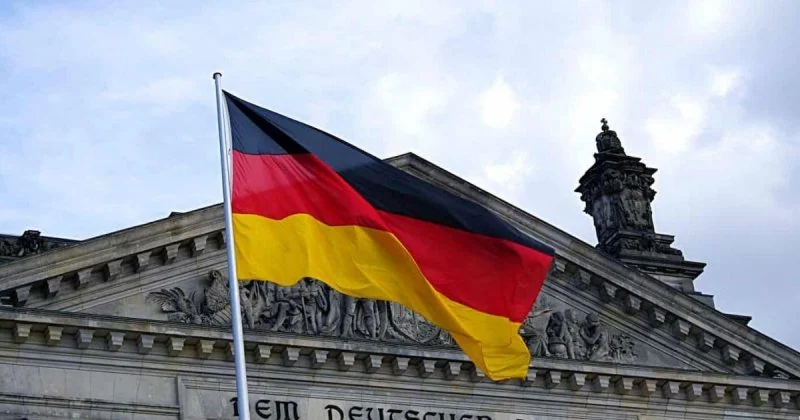
Germany has reduced operations at its embassy in Tehran and urged German nationals to leave Iran as tensions in the region continue to escalate.
The move is part of a broader diplomatic standoff involving Germany, Iran and other Western powers. The reduction does not amount to a break in diplomatic relations, but it reflects heightened security concerns for foreign missions operating in Iran. Embassy drawdowns of this nature are a standard diplomatic tool used to signal elevated risk and protect remaining staff while preserving a formal channel of communication between governments.
The decision comes against the backdrop of continuing tensions between Iran and Israel, as well as between Iran and Western countries. Germany, alongside France and the United Kingdom, remains a party to the 2015 Iran nuclear agreement (JCPOA) and has periodically engaged Tehran on both nuclear compliance and regional security issues. Germany's move to scale back embassy activity may point to a more precarious security environment in Iran and adds to an already complex geopolitical climate.
Prediction markets have treated the development as a possible sign of increased tension, though the article noted that the information source being social media suggests only a moderate effect on expectations. The perceived likelihood of European military action against Iran by the end of July rose slightly to 4.8%, up from 2% a day earlier.
Further diplomatic steps or security advisories from European governments could affect market expectations related to possible military action. Statements from European leaders on military engagement or de-escalation efforts, as well as any official reports confirming or denying military planning by European countries, remain important indicators to monitor.

