Geraldo Rivera Rips Trump's White House Media Ban, Pointing to an 'Appalled' Irony
Key Takeaways
- •Geraldo Rivera publicly criticized President Trump's ban of CNN, MS NOW and Politico from the White House press pool, calling it badly timed and unconstitutional in a September 25 post on X.
- •The ban took effect days before Trump's White House meeting with Chinese President Xi Jinping, and Michael McFaul said he was appalled that the excluded U.S. outlets were kept out while state-owned Chinese media were granted access.
- •Rivera's relationship with Trump dated to the 1970s, and he supported and defended Trump during his presidency before breaking with him over his refusal to accept the 2020 election results.
- •In a 2024 interview with Molly Jong-Fast, Rivera explained that he endorsed Democratic nominee Kamala Harris and accused Trump of inciting the January 6 attack on the U.S. Capitol.
- •Rivera spent more than two decades at Fox News before leaving in 2023, capping a media career that began at WABC-TV in 1970 and included ABC News programs and his talk show 'Geraldo.'
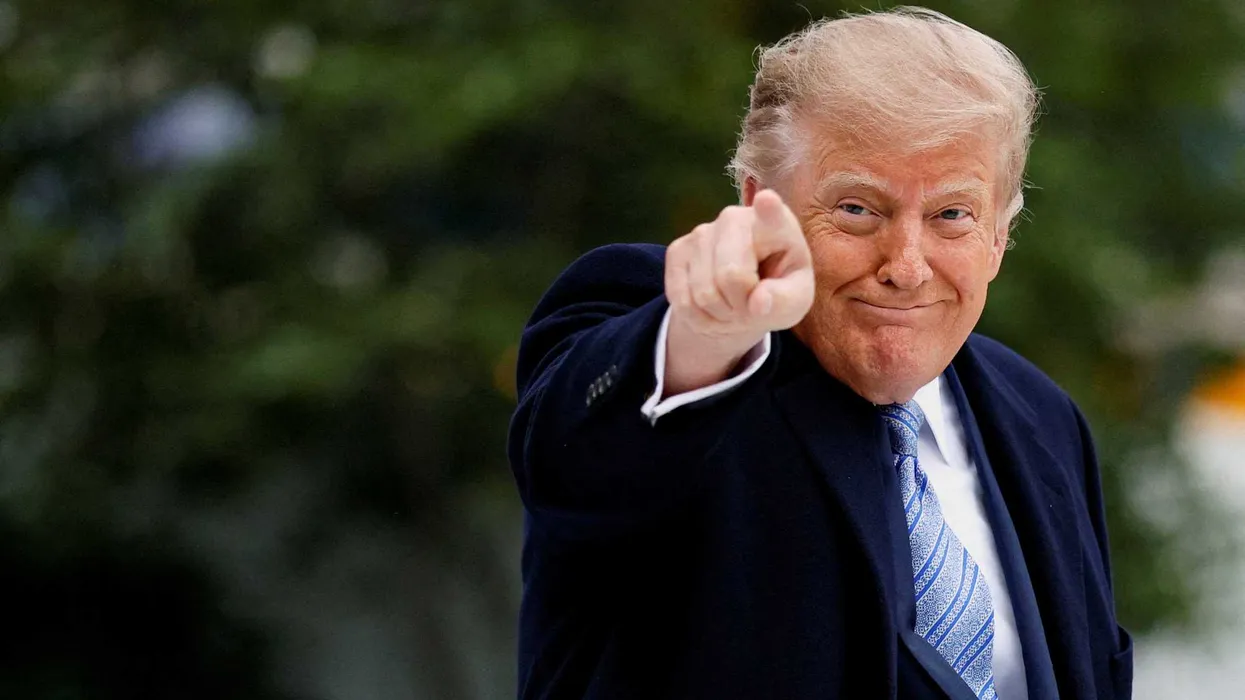
Veteran television journalist and former Fox News pundit Geraldo Rivera was once on very friendly terms with President Donald Trump. But Rivera, now 83, broke with Trump after the president refused to accept the results of the United States' 2020 presidential election. Now the longtime broadcaster is sharply criticizing Trump's ban of three major media organizations — CNN, MS NOW and Politico — from the White House press pool, the small rotating group of reporters who cover the president on behalf of the wider press corps.
The ban came just days before Trump's White House meeting with visiting Chinese President Xi Jinping. During an appearance on MS NOW, Michael McFaul — who served as U.S. ambassador to Russia under former President Barack Obama — said he was appalled that reporters for CNN, MS NOW and Politico were kept out of the White House while members of state-owned Chinese media were granted access, as Alternet previously reported. Excluding individual outlets from the press pool is the kind of dispute that has repeatedly landed in federal court over the years, and press-freedom advocates have long argued that the government should not decide which news organizations are permitted to cover the presidency.
In a Friday, September 25 post on X, formerly Twitter, Rivera wrote, "President Trump's ban on WH media was as badly timed as it was Unconstitutional. He wanted maximum exposure of his grand summit with the Chinese leader. He ended up playing in the dark to an audience of nobody."
Rivera has worked in media since the 1960s. The native New Yorker joined New York City's WABC-TV as a reporter in 1970 and later became known for his work on national ABC News programs such as "20/20" and "Nightline." His daytime talk show, "Geraldo," debuted in 1987 and ran for 11 years. He then spent more than two decades at Fox News before leaving the network in 2023.
In a 2024 interview with journalist Molly Jong-Fast for Interview Magazine, Rivera explained why he turned against Trump and endorsed Democratic nominee Kamala Harris for president.
Rivera recalled, "Our relationship dated back to the 1970s, when he was coming up in the real estate business. I met him when he was trying to rehabilitate the old Commodore Hotel on 42nd Street, which was a haven for junkies and hookers and crime and the rest of it. And he succeeded. I chronicled that in many ways. We went to the fights together, hung out at Trump Tower. Fox was just a few blocks away. I did not vote for him in 2016, but I supported him. And he was very generous, very gracious, inviting me to the White House, giving me access interviews. I did several hour-long interviews with him during his presidency. During the tumultuous four years, I defended him against what I thought was an unfair onslaught on the Russia business."
But when Trump refused to accept the 2020 election results, Rivera said, the president crossed a dangerous line.
Rivera told Jong-Fast, "Every day, he got worse and worse, more and more radicalized. The people around him, increasingly a motley crew: Steve Bannon, Roger Stone, Gen. Mike Flynn — just fringy kind of people. And he dug in. He went to Georgia, if you recall, beat the Republican Party's chances for the Senate there with his irrational behavior and his narcissism. Then, of course, you get to January 6, when it seemed to me that he incited and then unleashed the attack on the United States Capitol, the soul of our democracy, in his flamboyantly irrational and illegal assault on democracy itself."

