Fort Worth Jury Convicts Crypto Founder Caleb Ward of Investment Fraud in Geosyn Mining Case
Key Takeaways
- •A Fort Worth federal jury found Caleb Ward, founder of Geosyn Mining, guilty on November 17 of one count of conspiracy to commit wire fraud and three counts of wire fraud after a six-day trial.
- •Ward claimed he had secured electricity rates of 4.5 cents per kilowatt-hour, but many clients never received their purchased mining equipment, and some machines were never switched on or connected.
- •Ward and his co-conspirators allegedly sent customers photographs of other clients' machines and serial numbers belonging to different miners to create the impression that equipment had been bought and installed.
- •Clients wired more than $4.5 million to Geosyn between November 2021 and January 2023, and prosecutors said funds were used for Ponzi-style payments to earlier investors, personal expenses, and unrelated operating costs.
- •Ward faces up to 20 years in federal prison for each count, and the SEC's separate April 2024 civil case over an alleged unregistered and fraudulent securities offering also names Geosyn and co-founder Jeremy McNutt.
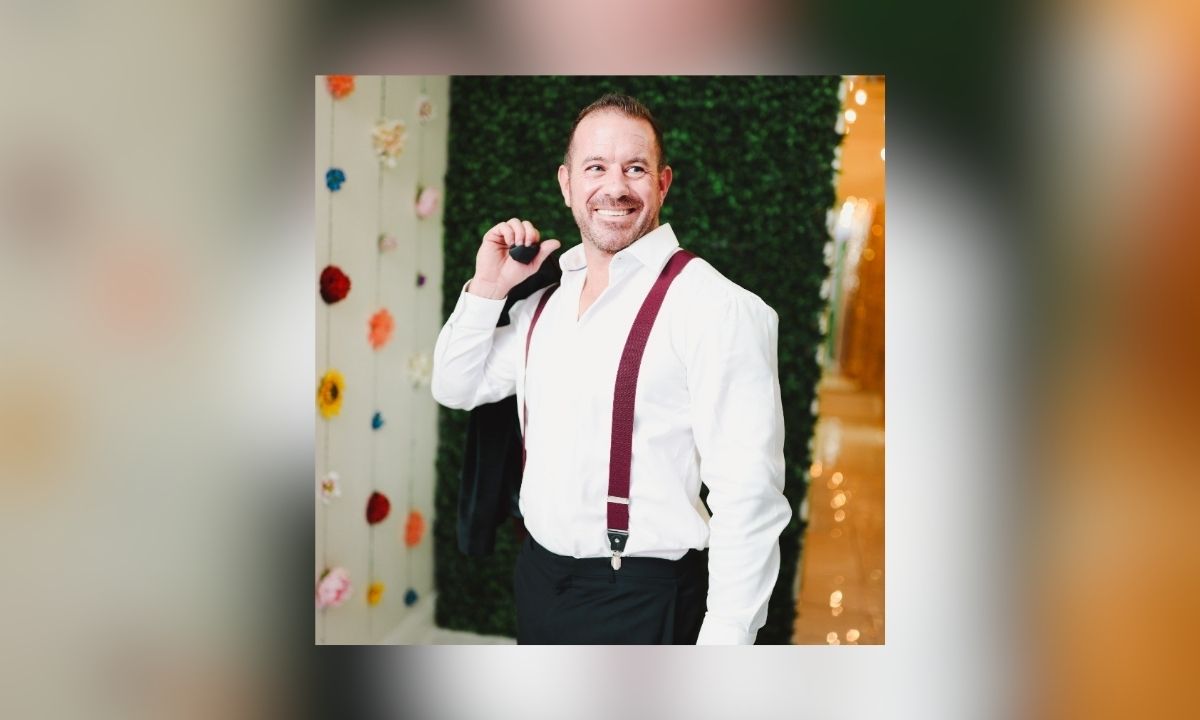
A federal jury in Fort Worth has convicted Caleb Ward, the 41-year-old founder of cryptocurrency mining company Geosyn Mining, LLC, of investment fraud tied to clients' cryptocurrency mining investments. Ward was found guilty on November 17 following a six-day trial.
The jury returned guilty verdicts on all counts, including one count of conspiracy to commit wire fraud and three counts of wire fraud. According to The Dallas Express, citing a Justice Department release, Ward faces up to 20 years in federal prison for each charge.
Guilty Verdict on Every Count
US District Judge Mark Pittman presided over the trial, the report said. Ward had initially indicted in May.
Geosyn, based in Fort Worth, collected investment funds for cryptocurrency mining equipment and solicited money from dozens of victims across the United States, according to the report.
Prosecutors said Ward promised to use client funds to buy and host specialized mining equipment, with the company also committing to install the specified machines on customers' behalf. Ward claimed he had secured electricity rates of 4.5 cents per kilowatt-hour, according to the release. Power costs are among the largest expenses in Bitcoin mining, which is why advertised electricity rates often anchor hosted-mining pitches to prospective customers. Clients were also told their machines were up and running, mining Bitcoin at multiple facilities.
Clients Shown Photos of Other Miners
Many clients never received the equipment they purchased, the report said. Others later learned that their machines had never been switched on or connected.
Ward and his co-conspirators allegedly sent customers photographs of other clients' machines. In some instances, they supplied serial numbers belonging to different miners to create the impression that equipment had been bought, delivered and installed. The episode illustrates a structural feature of hosted mining: customers pay for machines installed and operated at remote facilities they do not control, leaving them reliant on the operator's reports about hardware they cannot inspect themselves.
Clients wired more than $4.5 million to Geosyn between November 2021 and January 2023, according to the release. Prosecutors said Ward transferred tens of thousands of dollars into accounts in his own name.
The release said client funds were used to pay earlier investors in a manner consistent with a Ponzi-style scheme, a structure in which earlier investors are paid with newer investors' money. Ward also spent investor money on personal expenses and business operating costs unrelated to the machines specified by clients — spending that prosecutors said contradicted claims that every dollar would be dedicated to each client's hardware and hosting.
The conviction followed the evidence presented during the six-day trial.
SEC Filed a Separate Securities Case
The Securities and Exchange Commission charged Geosyn, Ward and co-founder Jeremy McNutt in April 2024 over an alleged unregistered and fraudulent securities offering. The federal criminal verdict applies to Ward, while the SEC action named both company co-founders. The report described the securities case separately from the jury's criminal findings.
Related coverage examines Do Kwon's fraud sentence, Shetty's cryptocurrency fraud case, and the SEC's Cryptoaiml complaint — part of a series of recent crypto fraud enforcement actions.
Investigation and Prosecution
FBI-Fort Worth investigated the case. Assistant US Attorneys Chad Meacham and Joshua Detzky prosecuted it, with assistance from Assistant US Attorney Matthew Weybrecht.
US Attorney Ryan Raybould said Ward targeted North Texas residents who wanted to invest in emerging cryptocurrency technology. FBI-Dallas Special Agent in Charge R. Joseph Rothrock said the conviction demonstrated the agency's commitment to investigating the misuse of investor funds.
Ward now faces potential prison terms following the jury's verdict. The report identifies a maximum of 20 years for each charge, rather than a sentence already imposed. Sentencing is the next procedural step to watch, and the separately filed SEC civil case, which also names co-founder Jeremy McNutt, remains a distinct track from the jury's criminal findings.

