Georgia Authorities Seize 1,800 Pounds of Marijuana in Shipment Bound for Atlanta and Orlando
Key Takeaways
- •Butts County authorities seized approximately 1,800 pounds of marijuana that originated in Sacramento, California, and was bound for Atlanta and Orlando.
- •Sheriff Gary Long stated that the illegal marijuana trade continues across state lines despite legalization in some states.
- •Long urged Georgia lawmakers to study other states' experiences before changing cannabis laws, warning against poorly written legislation.
- •No arrests, charges, or links to specific criminal organizations have been announced in connection with the seizure.
- •Butts County's position along the Interstate 75 corridor makes it a common route for contraband moving between the Southeast and Florida.
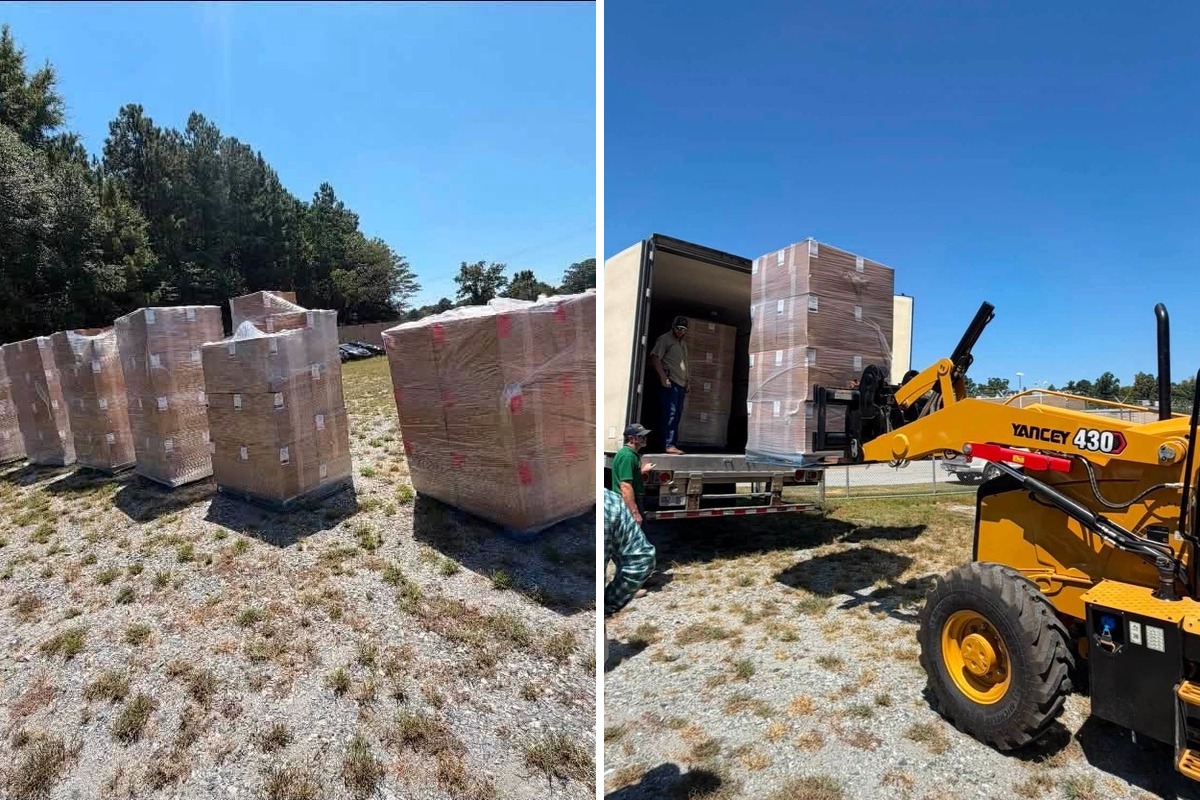
Butts County authorities intercepted approximately 1,800 pounds of marijuana Tuesday morning, Sheriff Gary Long announced in a public statement posted at 12:13 p.m. The shipment originated in Sacramento, California, and was headed toward destinations in Atlanta and Orlando. According to Long, roughly half of the load was destined for Atlanta, with the remaining marijuana bound for Orlando, Florida.
Butts County sits along the Interstate 75 corridor south of Atlanta, a major freight route connecting the Southeast to Florida, which is why commercial shipments carrying contraband frequently pass through the area.
Georgia permits marijuana only through limited medical provisions. Florida allows medical marijuana, while California permits adult recreational use. That legal patchwork creates price differences between states that law enforcement officials have long cited as a driver of interstate trafficking, with cannabis legally produced in California moving to states where it remains restricted.
Sheriff warns of interstate illicit trade
Long framed the seizure as evidence that state legalization cannot end illicit marijuana sales. "But here is the reality: the black market isn't going away," he wrote. "The illegal marijuana trade does not stop at the state line," Long added. His statement warned Georgia lawmakers against treating legalization as a complete solution.
The release described Mexican drug-trafficking organizations and other criminal groups as major interstate suppliers, and Long argued that their operations continue despite the existence of legal cannabis markets. However, his statement did not connect this particular load to any named cartel, and officials have not announced a connection to a specific organization.
Long wrote that legal businesses face taxes, licensing fees, testing requirements and regulatory costs, while criminal organizations avoid those expenses. That difference, he wrote, allows illegal sellers to undercut licensed competitors. He also warned that high entry costs can give organized crime an additional advantage.
The sheriff compared the issue to Prohibition, arguing that government cannot legislate away demand or the black market. His statement cited unsuccessful Colorado efforts to repeal personal-use provisions after legalization, as well as California's repeated tax and regulatory changes.
Long urges lawmakers to study other states
Long urged Georgia lawmakers to study those states before changing their own laws. "That should be a warning to Georgia," he wrote. He criticized discussions taking place in Atlanta and Washington, D.C., and questioned whether marijuana lobbyists influence some lawmakers.
Long wrote that his statement was not intended to settle the legalization debate. Instead, he urged legislators to craft a smarter approach before any broader change. He predicted that Georgia would spend years revising poorly written legislation after legalization. "Georgia, let's get it right the first time," Long wrote.
DEA Atlanta directed FreightWaves to the Butts County Sheriff's Office for case questions and offered no additional details. Long's release does not identify a person or business connected to the shipment, and it does not announce any arrests or charges. Whether further details, arrests or charges follow will depend on the ongoing investigation.
Why It Matters
Cargo theft is not the only threat moving through freight networks. Drug traffickers can exploit the same routes, trailers and handoffs that legitimate shippers use every day. That makes freight visibility and clear communication between every party handling a shipment critical when something does not match expectations.
Source: FreightWaves
