Georgia's Kulevi Refinery Replaces Russian Crude With Kazakh and Libyan Oil Ahead of EU Sanctions
Key Takeaways
- •The Kulevi refinery began processing Kazakh crude in July and signed a Libyan supply agreement on July 3 that runs through the end of 2027 with an extension option.
- •Black Sea Petroleum plans to completely remove Russian crude from the refinery's feedstock by early September 2026.
- •The EU imposed a transaction ban on Kulevi in its 21st sanctions package on July 23, giving the company until January 25, 2027 to document a full transition to non-Russian crude.
- •Refined products from the Kulevi refinery previously reached Spain and Bulgaria, raising concerns about Russian oil entering Western markets through processing in Georgia.
- •The refinery began operations in October 2025 with an annual capacity of 1.2 million metric tons and processed over 650,000 tons in the first half of 2026.
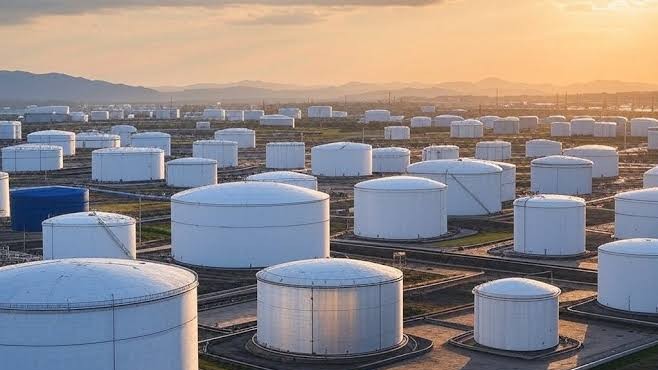
Georgia's only oil refinery has started replacing Russian crude with supplies from Kazakhstan and Libya as its owner, Black Sea Petroleum, races to comply with European Union sanctions set to take effect in January.
The Kulevi refinery received and processed Kazakh crude in July and will continue accepting Kazakh barrels throughout August, Black Sea Petroleum said on Monday, as reported by Interfax. A cargo of Libyan crude is scheduled to arrive between August 20 and August 30 under a supply agreement signed on July 3 with an unnamed international company. The Libyan contract runs through the end of 2027 and includes an extension option.
Black Sea Petroleum intends to fully eliminate Russian crude from the refinery's feedstock by early September, accelerating a diversification program that had previously included Kazakhstan and Turkmenistan as alternative suppliers. For Kazakhstan, the shift also aligns with Astana's long-standing interest in diversifying export routes for Caspian Basin crude beyond the pipeline networks transiting Russia.
The European Union imposed a transaction ban on Kulevi in its 21st sanctions package on July 23, targeting the refinery's processing of Russian oil. The restriction includes a six-month delay, giving the company until January 25, 2027, to document a complete transition to non-Russian crude. EU officials indicated the refinery could be removed from the sanctions list once the European Commission verifies compliance. The case underscores how EU sanctions increasingly extend beyond member-state borders to facilities in neighboring non-EU states whose output can re-enter European supply chains.
Kulevi began operations in October 2025 with an annual processing capacity of 1.2 million metric tons, equivalent to roughly 24,000 barrels per day — modest by global refining standards but strategically significant given its location on Georgia's Black Sea coast. During the first half of 2026, the refinery processed more than 650,000 tons, already surpassing half of its first-phase annual capacity. A planned second phase would increase capacity to 4.5 million tons per year.
Between October 2025 and May 2026, the refinery received six shipments of Russian crude. Refined products from Kulevi subsequently reached Spain and Bulgaria, drawing scrutiny over whether Russian crude was entering Western markets after being processed in Georgia — a pattern sanctions designers have sought to close across multiple jurisdictions by targeting so-called refinery laundering pathways.
Black Sea Petroleum's initial Kazakh and Libyan purchases now provide the physical evidence that Brussels had demanded before reconsidering the sanctions listing.
Source: OilPrice.com

