BP's North Sea Exit Intensifies Pressure on UK Government to Approve Jackdaw and Rosebank Projects
Key Takeaways
- •AGCC has formally called on UK ministers to accelerate regulatory decisions on the Shell-operated Jackdaw gas field and the Equinor and Ithaca-operated Rosebank field following BP's announced divestment of its North Sea portfolio.
- •The chamber's filing to OPRED argues that environmental reviews for both projects should weigh the higher emissions and economic costs of replacing UK-produced energy with imports.
- •Jackdaw and Rosebank combined are estimated to generate nearly £29 billion in economic value, 3,500 construction jobs, approximately 880 long-term operational positions, and around £1.4 billion in tax revenue during the current parliamentary term.
- •Environmental groups continue to oppose both developments, maintaining that new fossil fuel extraction conflicts with the UK's legally binding commitment to achieve net zero emissions by 2050.
- •The Energy Profits Levy, a windfall tax introduced in 2022 and subsequently increased, remains a major source of industry frustration and has been cited as a deterrent to sustained investment in the North Sea basin.
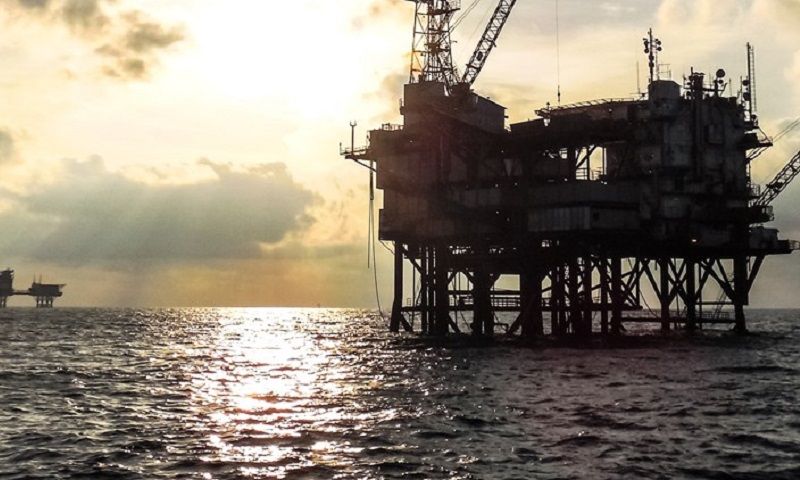
The Aberdeen & Grampian Chamber of Commerce (AGCC) has called on UK ministers to fast-track approvals for the Jackdaw and Rosebank offshore developments, cautioning that the country's energy sector cannot withstand prolonged uncertainty in the wake of BP's decision to divest its North Sea operations.
Jackdaw, a Shell-operated gas field east of Aberdeen, and Rosebank, an Equinor and Ithaca Energy-operated field west of Shetland, are among the largest untapped developments on the UK Continental Shelf. Both have faced years of regulatory delay and concerted opposition from environmental groups, who argue that new fossil fuel extraction is incompatible with the UK's legally binding commitment to reach net zero emissions by 2050.
In a consultation response submitted to the Offshore Petroleum Regulator for Environment & Decommissioning (OPRED), AGCC argued that environmental reviews of both projects should weigh not only the effects of domestic hydrocarbon production but also the environmental and economic costs of substituting UK-produced energy with imports that carry higher emissions.
The filing to OPRED arrives just days after BP confirmed it is seeking a buyer for its North Sea portfolio. BP's exit follows that of other majors in recent years, accelerating a long-term decline in basin production and raising broader questions about the future of the UK's offshore supply chain and skilled workforce. AGCC contends that the oil major's withdrawal demands an urgent government response aimed at restoring investor confidence in the UK Continental Shelf.
Russell Borthwick, chief executive of AGCC, said: "BP's announcement should serve as a wake-up call. It is another stark reminder of what prolonged policy uncertainty means in practice. Investment goes elsewhere, businesses lose confidence, and the UK's industrial capability is gradually eroded. The UK will continue to require oil and gas throughout the energy transition. The choice is whether that demand is met by lower-emissions domestic production, supporting British jobs and investment, or by importing energy from overseas with a higher carbon footprint."
According to the chamber, evidence provided by the project operators indicates that gas from Jackdaw would carry a significantly lower carbon intensity than imported LNG, while production emissions from Rosebank are projected to fall well below the global average for oil production.
Borthwick said the two developments together represent nearly £29bn ($39bn) in economic value. They would generate 3,500 construction jobs, sustain approximately 880 long-term operational positions, create over 125 apprenticeships, and bring in roughly £1.4bn ($1.9bn) in tax revenue during the current parliamentary term.
He added: "Our own Energy Transition Survey found that 93% of businesses believe there remains a future for the North Sea if the right fiscal and regulatory framework is in place. The prime minister has spoken about taking a pragmatic approach to the North Sea. Now is the time to demonstrate that pragmatism by providing timely, evidence-based decisions on Jackdaw and Rosebank, replacing the Energy Profits Levy with the promised Oil & Gas Revenue Levy, and restoring the stable long-term investment environment our industry needs."
The Energy Profits Levy, a windfall tax introduced in 2022 and subsequently raised, has been a particular point of friction for the industry. Operators have warned that its unpredictability has deterred capital allocation in mature basins like the North Sea, where fields require sustained investment to manage decline rates. With the UK still reliant on oil and gas for the majority of its primary energy, the tension between fiscal stability, energy security, and climate targets is set to remain a central policy challenge for the government.

