Pulitzer-Winning Columnist George F. Will Urges GOP 'Carnage' in November Midterms
Key Takeaways
- •Longtime Washington Post columnist George F. Will, a 1977 Pulitzer Prize winner, is publicly calling for Republican defeats in the November midterm elections.
- •Will said his criticism targets congressional Republicans' failure to curb Trump's power rather than conservative policy itself.
- •He made exceptions for Sen. Susan Collins of Maine, citing her 2018 vote to confirm Brett Kavanaugh to the Supreme Court, and former Michigan congressman Mike Rogers, now running for Senate against Democrat Abdul El-Sayed.
- •Will argued that losses in Republican-held Senate seats from Alaska and Iowa to Texas and Ohio could force the party to reexamine its direction and restore legislative checks on the executive.
- •He cited voter anger over high gasoline, diesel, and fertilizer prices, as well as Trump's trade policies, immigration restrictions, and the ongoing war with Iran.
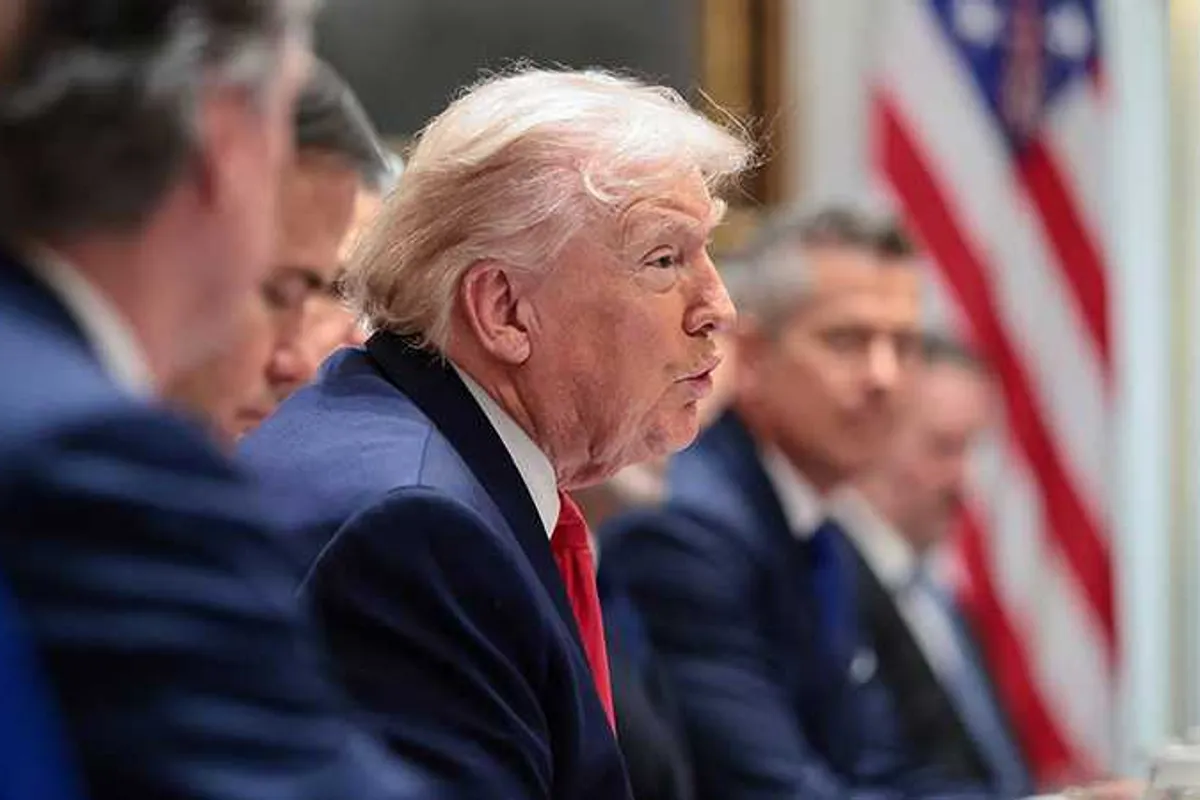
Veteran conservative columnist George F. Will is openly calling for Republican defeats in the November midterm elections, arguing that President Donald Trump has left much of the GOP unwilling to act independently of him.
Midterm elections fall halfway through a president's four-year term; the presidency itself is not on the ballot, but every House seat and roughly one-third of Senate seats are, giving voters a nationwide opportunity to reshape the balance of power in Congress.
In an opinion article for The Washington Post, Will wrote that he hopes most of the Republican Party will be "smashed to atoms" on Election Day. He described the party as "trembling and embarrassed" and said most Republican lawmakers had traded their independence for political survival under Trump.
Will has written for The Post since 1974 and won the Pulitzer Prize for his commentary in 1977, making him one of the most prominent conservative voices in American journalism for more than five decades. His latest criticism was not aimed at conservative policy itself, but at what he described as congressional Republicans' failure to curb Trump's power.
While arguing that "vast Republican carnage should not be entirely indiscriminate," Will carved out exceptions for two Republican Senate candidates who should survive even in the event of a Democratic wave. Because senators serve staggered six-year terms, only a portion of the chamber is up in any election, and individual races can decide which party controls the majority and its agenda.
The first is Sen. Susan Collins of Maine, who is running for reelection. Will praised her 2018 vote to confirm Brett Kavanaugh to the Supreme Court, saying she had carefully reviewed Kavanaugh's record and the sexual assault allegations made against him before deciding to back his nomination. Supreme Court confirmations are among the Senate's most consequential constitutional duties, giving each senator a lasting voice in the composition of the nation's highest court.
The second is Mike Rogers, a former Michigan congressman now running for Senate against the surging Democratic nominee, Abdul El-Sayed. Rogers has positioned himself as a supporter of Trump and states on his campaign website that he will back the president, though he has parted ways with Trump on some issues during the campaign.
Will's central argument is that Republican setbacks could prompt the party to reassess its relationship with Trump and allow Congress to reclaim a more independent role. He said voters should judge the members of Congress who enabled the president to continue, rather than concentrating solely on Trump. As he put it, "if there is no penalty for travesties, travesties will proliferate."
Will pointed to voter anger over the high prices of gasoline, diesel, and fertilizer, as well as Trump's trade policies, immigration restrictions, and the ongoing war with Iran. He also maintained that congressional Republicans have largely abandoned their constitutional role by accepting presidential decisions instead of challenging them.
He went further, suggesting that losses in Republican-held Senate seats — from Alaska and Iowa to Texas and Ohio — could force the party to reexamine its future direction and restore "legislative checks on the executive."
Will concluded plainly that Republicans need enough lawmakers to function as an opposition and sustain a presidential veto, but beyond that, voters have no reason to reward members of Congress who have made themselves politically irrelevant. A presidential veto can be overridden only by a two-thirds vote in both the House and the Senate, which is why controlling roughly one-third of either chamber is enough to keep a veto in place.
This article was originally published by Alternet, based on Will's opinion column in The Washington Post.

