George Conway Criticizes New York Times Headline on Trump’s Reported Grief Over Lindsey Graham
Key Takeaways
- •George Conway objected to a New York Times headline that described Trump as grieving over Senator Lindsey Graham’s death.
- •Conway said the headline was factually inaccurate and criticized the newspaper for presenting Trump’s emotional state as fact.
- •The dispute focused on whether media outlets should attribute internal motivations to political figures without clear support.
- •Other critics, including Mark Concannon and Marcy Wheeler, also argued that the Times’ framing mischaracterized Trump’s decision.
- •The article noted that public claims about Trump’s mental health remain politically and medically sensitive.
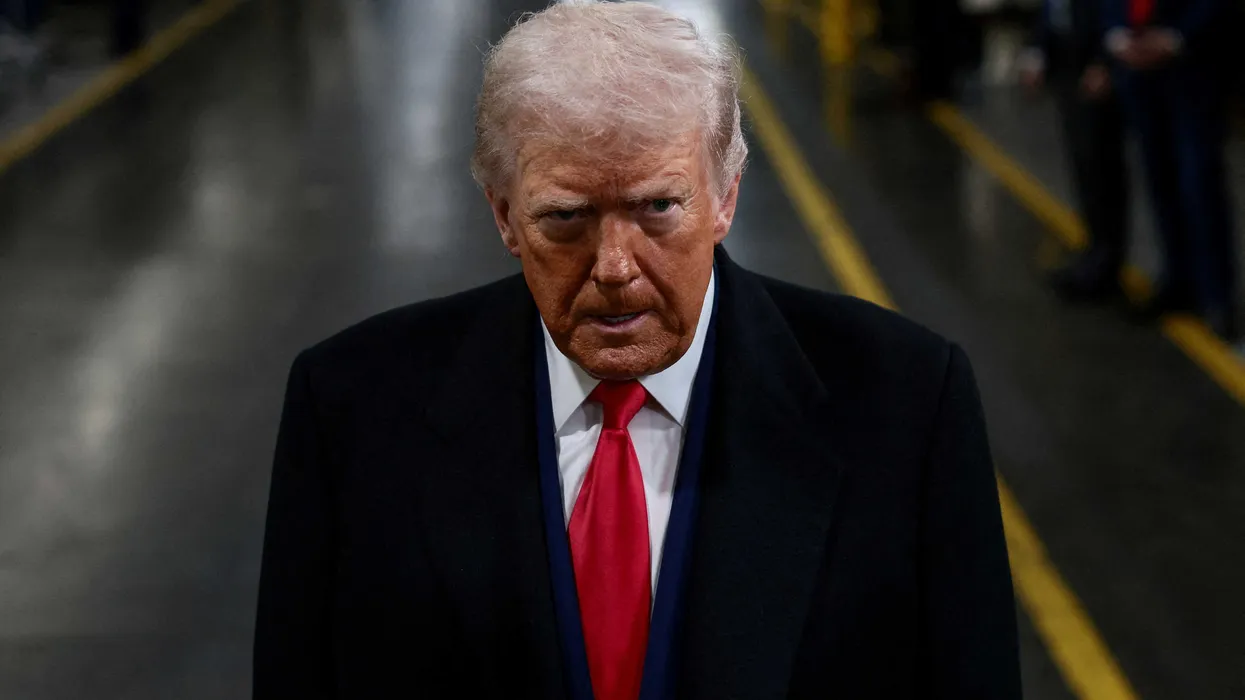
Attorney George Conway criticized a New York Times headline on Friday that described President Donald Trump as grieving over the death of Senator Lindsey Graham, calling the framing “absurd” and “grossly factually inaccurate.”
Conway, a Democratic congressional candidate who was formerly married to Trump adviser Kellyanne Conway, was responding to a Times headline that read, “How a Grieving Trump Decided to Back Graham’s Sister for Senate.” The article asserted that the president was “uncharacteristically emotional about the death of his friend,” the recently departed Senator Lindsey Graham. Conway rejected that characterization in a post on X.
“Truly absurd headline,” Conway posted. “And most importantly, grossly factually inaccurate. Beyond any reasonable doubt, Trump is a sociopath; he does not grieve, nor is he capable of grief. Even if journalists are too timid to report that truth, they should not report the contrary as truth.”
The dispute centered not only on Trump’s state of mind, but also on how major news organizations frame political decisions in headlines and summaries. Critics argued that describing Trump as “grieving” presented an internal emotional explanation as fact rather than as a claim attributed to sources or supported by observable actions.
Claims that Trump has some form of severe “anti-social personality disorder” have appeared frequently during his political career. Earlier criticism often centered on allegations of extreme narcissism, but in recent months a number of commentators have argued that Trump may have a more dangerous disorder. Such claims remain politically and medically sensitive: mental health professionals generally distinguish between clinical diagnoses made through direct evaluation and public commentary based on observed behavior.
In March, New York Times columnist Jamelle Bouie argued that Trump is a “psychopath” “in the clinical sense,” asserting that Trump “doesn’t appear to recognize that other people exist. That other people have feelings. That their concerns ought to be considered. [He is] someone who has no awareness of the existence of other minds.” Last week, former Secretary of Labor Robert Reich claimed Trump is a sociopath “who will stop at nothing to get the results he wants.”
On the same day, bestselling Trump biographer Seth Abramson wrote, “However it came to pass — childhood trauma, genetics, dementia — this U.S. president is now functionally a psychopath. He lives in his own reality. He converses only with himself. All America is now downstream from a madman who's not listening to anyone or anything but his own madness.”
Conway was not the only critic to challenge the Times’ framing of Trump’s decision. Producer and Emmy Award-winner Mark Concannon asked the newspaper, “Why do you continue to parrot this Trump pressroom garbage? He wasn’t ‘grieving’ about Lindsey Graham. He just knows his sister will be as big a sycophant as her brother was and do anything he tells her to do. That’s why he endorsed her. Full stop.”
Others also described the headline as inaccurate. National security analyst Marcy Wheeler wrote on Bluesky, “If you were struck by the description of Trump the sociopath making a decision (to appoint Lindsey's sister, which decision Gov McMaster had already made) [because] of something NYT called 'grief,' the passage on the left precedes the passage on the right in the story.”
Wheeler’s criticism was that the Times’ own article indicated Trump was not acting primarily from an “emotional” state, but from political calculation.

