Gen. Dan Caine Urges Trump Officials to Pursue Diplomatic Off-Ramp in Iran Conflict
Key Takeaways
- •General Dan Caine has advised Trump administration officials to seek a diplomatic off-ramp from the Iran conflict due to concerns about the limits of military escalation options.
- •The confrontation has involved U.S. and Israeli forces targeting Iranian military and nuclear-related facilities, with Iran responding through retaliatory measures.
- •Prediction market data indicates a 17.5% probability of a full-scale U.S. invasion of Iran by the end of 2026.
- •The decades-long absence of formal diplomatic relations between Washington and Tehran complicates efforts to establish credible channels for de-escalation negotiations.
- •Energy markets remain highly sensitive to the conflict's trajectory because approximately one-fifth of global oil supply transits through the Strait of Hormuz near Iran.
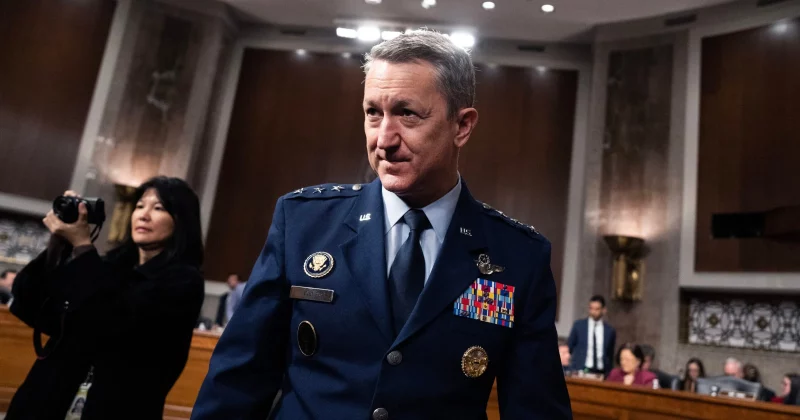
Chairman of the Joint Chiefs of Staff General Dan Caine has reportedly advised senior officials in the Trump administration to seek a diplomatic "off-ramp" from the ongoing conflict with Iran, according to sources cited by CNN.
Caine expressed concerns about the limits of available military escalation options and the potential inadequacy of relying on airpower alone to achieve U.S. objectives in the conflict. His recommendation underscores the strategic complexities surrounding the confrontation, which has involved U.S. and Israeli forces targeting Iranian military capabilities—including nuclear-related facilities—alongside Iran's retaliatory measures.
The chairman's reported advice highlights the challenges facing policymakers as they weigh whether continued military escalation can produce decisive outcomes or whether diplomatic channels offer a more viable path toward de-escalation. The suggestion to pursue an exit strategy reflects internal deliberations within the administration over the sustainability and effectiveness of the current military approach. It also comes against the backdrop of a decades-long absence of formal diplomatic relations between Washington and Tehran, a gap that complicates back-channel negotiations and makes the identification of credible interlocutors on the Iranian side a persistent obstacle.
According to prediction market data referenced in the original report, market pricing suggests a reduced likelihood of a full-scale U.S. invasion of Iran, with current odds standing at 17.5% for an invasion by the end of 2026.
The response from the Trump administration, particularly from President Donald Trump and Defense Secretary Pete Hegseth, will be pivotal in shaping the next phase of U.S. policy toward Iran. Any diplomatic engagements or public statements signaling de-escalation could influence both market perceptions and the broader regional calculus. Energy markets, in particular, have been sensitive to the conflict's trajectory, given Iran's position along the Strait of Hormuz—a chokepoint through which roughly one-fifth of global oil supply transits.
Iranian military actions or diplomatic overtures in the coming period could similarly alter the trajectory of the conflict, with markets likely to react to any signs of resumed or intensified hostilities.

