Trump Pushes Venezuela Oil Deals and Biofuel Waivers as Gasoline Prices Stay High Ahead of Midterms
Key Takeaways
- •The U.S. average gasoline price was roughly $4.11 per gallon, up more than 90 percent from a year earlier, with the crack spread hitting a historic high above $70 per barrel.
- •The Pentagon is taking a stake in North American Blue Energy Partners, which controls about 20 percent of Venezuela's oil reserves, while Chevron agreed to double its Venezuelan production.
- •The EPA ended summer ethanol blending requirements early and issued waivers exempting dozens of refineries from biofuel mandates.
- •Analysts say high prices stem mainly from insufficient global refining capacity, so new Venezuelan crude is unlikely to lower pump prices before or even after the midterms.
- •A Politico analysis found the president's party historically loses about 25 more House seats in midterms following gas price spikes than when prices fall.
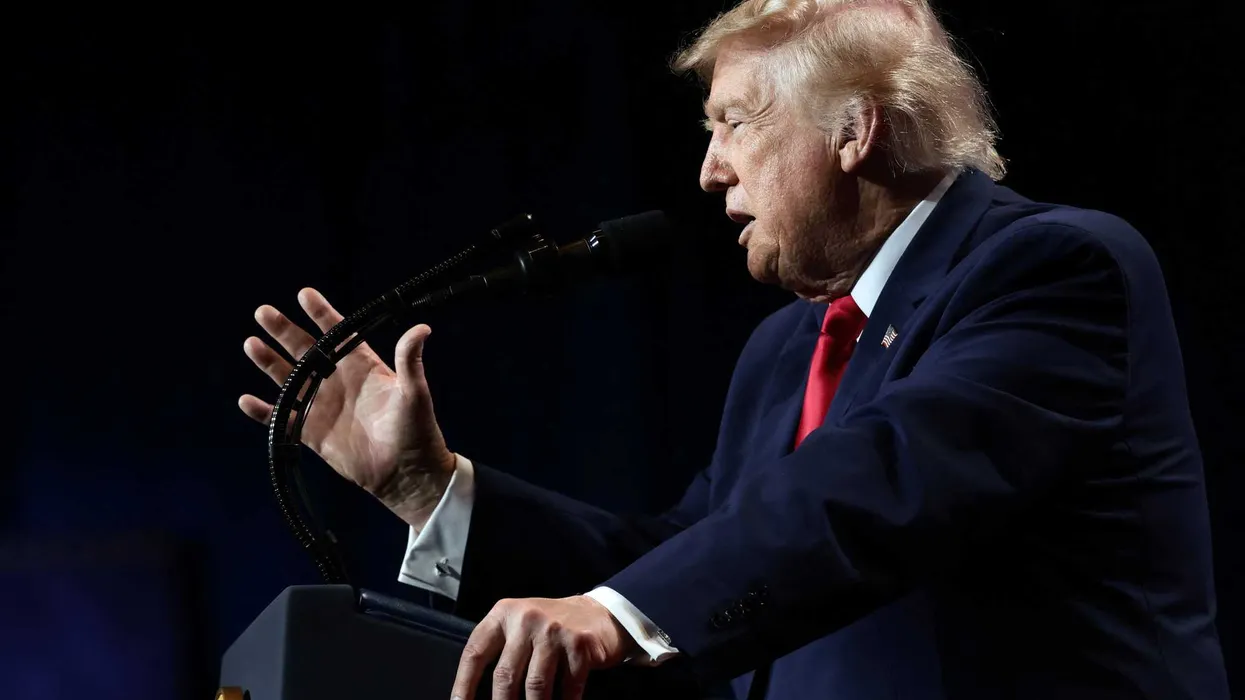
More than two months after President Donald Trump's tentative ceasefire with Iran collapsed, gasoline prices remain elevated. With the midterm elections approaching, the president has turned his attention to the problem, unveiling a series of actions he says will secure more crude oil from Venezuela and exempt refineries from renewable fuel mandates. Most recently, he summoned refiners to the White House earlier this week to discuss ways to bring down pump prices — though the refiners left without making public statements, and the White House did not publish a list of attendees.
This story was originally published by Grist.
In the months since the blockade of the Strait of Hormuz, the world has found ways to conserve oil and reroute Middle East crude, but structural factors continue to keep prices high. The U.S. average gasoline price on Thursday stood at roughly $4.11 per gallon — up more than 90 percent from the same time last year — with diesel even higher.
The "crack spread," the difference in price between crude oil and refined gasoline and diesel, soared to a historic high of more than $70 per barrel. That is a clear sign that the market for refined products has gone haywire, and oil companies are reaping substantial profits. The largest U.S. refineries have been running at nearly maximum capacity for several weeks — longer than at any point in recent history — and have deferred regular maintenance to capitalize on soaring prices.
The president's frustration with high fuel costs has been evident throughout the summer.
"Based on a shortage, they're making too much money," Trump said at an Oval Office briefing last month. "They ought to give some of that back to the public, and they better cut the retail price, the consumer price."
The biggest reason prices have stayed high is insufficient refining capacity to turn available oil into gasoline. Many refineries in the Middle East have shut down during the conflict, and Russia's diesel refineries are offline as a result of Ukrainian drone attacks. The remaining refineries in North America and China are not large enough to fill the gap.
In its effort to lower pump prices, the Trump administration first turned to Venezuela, home to the world's largest proven oil reserves, where it kidnapped leader Nicolas Maduro in January and announced a plan to revive the country's moribund oil industry. Experts said after the Maduro raid that American companies would be hesitant to tap Venezuela's oil reserves, but the administration has sought to make the country more palatable by easing sanctions and pressing interim leader Delcy Rodriguez to rewrite the country's oil laws.
Those efforts appear to be paying off. The Pentagon announced last week that it would take a stake in North American Blue Energy Partners, a private Venezuelan company that controls around 20 percent of the country's reserves; the company plans to increase production in oil fields once drilled by China and Russia. Alejandro Betancourt, the head of the company, has been described as Trump's "viceroy" in Venezuela, and earlier this year the Trump administration helped him avoid a Swiss arrest warrant. Chevron, the largest U.S. company operating in Venezuela, announced on Wednesday that it would double its production there, signing an agreement with the Rodriguez government at the Miraflores Palace in Caracas.
"In general, the read is positive," said Ramón Andrade, a lawyer focused on the energy business and a partner at the Caracas law firm Ponte Andrade & Casanova. He said Venezuela's business community is optimistic about a revival of the sector, but cautioned on the Pentagon deal: "I think we need to look at what's actually going to be signed."
Even so, there is little chance this will help reduce gasoline prices, even after the midterms. For one, only a small number of U.S. refineries can process Venezuela's heavy crude, and those facilities are already working overtime to take advantage of high fuel prices.
"Everything that the Venezuelans could produce right now, I'm sure they're squeezing out," said Al Salazar, an analyst at the energy firm Enverus Intelligence who studies oil and gas markets. "You could get incremental production out of there in six to twelve months, but what really is causing the gasoline and diesel price spike is the lack of refining capacity."
For another, scaling up production will take many years — if the legal agreement with the Pentagon even holds that long. The final details are not yet available, and some parties have alleged that conceding resource wealth to the United States would violate the Venezuelan constitution. The interim government has yet to face voters in an actual election.
"You need that long runway to be able to develop this resource," said Salazar, who spent decades in the Canadian oil industry, which also produces heavy oil like Venezuela's.
The administration's other major move this week might do more to hold prices down at the margins, though likely not enough for most consumers to notice. The Environmental Protection Agency ended its summer ethanol blending requirements early. Those rules mandate that refiners and fuel importers add ethanol to the nation's fuel supply to reduce gasoline-caused smog. The agency also announced a series of waivers exempting a few dozen refineries around the country from having to integrate biofuel into their diesel and gasoline products. The purpose of the "renewable fuels standard," created by Congress in 2005 and expanded two years later, is to support farmers and reduce greenhouse gas emissions, since biofuels do not warm the planet as oil does, but many oil industry parties argue that using ethanol drives up costs for refiners.
Several major lobbies opposed the waivers. Midwestern politicians and biofuel associations argued they will harm farmers by reducing demand for the corn used to make ethanol, and even the American Petroleum Institute warned that sudden exemptions would create an unpredictable business environment for refineries. The two sides of the biofuel debate argue over whether the exemptions will or will not reduce gasoline prices. Given that crude oil prices remain high, ethanol is possibly a cheaper ingredient than oil, and it is unclear whether exempted refiners such as Marathon and Chevron will pass cost savings on to customers.
Even with the waivers, gasoline prices in many states are $1.50 above their pre-Iran highs. The early months of the conflict hinged on the question of the Strait of Hormuz, but even if the strait were to open tomorrow, the gasoline market would remain tight — and neither more oil from Venezuela nor cheaper inputs would free up refining capacity.
"I think it's going to have a tremendous impact; ultimately, prices are going to come down," Trump said at the Oval Office on Monday. "Will it happen before the election? I can't tell you that."
Stubbornly high prices do not bode well for Republicans in the midterm elections. On average, the president's party loses 25 more congressional seats in midterm elections held after gas price spikes than in those after gas prices fall, according to a Politico analysis of elections since 1978.
Things could get worse by then. Roughly half of U.S. refining capacity is located on the Gulf of Mexico, squarely in the bullseye for Atlantic hurricanes. Forecasters are predicting a quiet season, but the potential for a massive outage remains. Tropical Depression Edouard formed in the Gulf of Mexico and passed over a Texas refinery complex this week, but it fizzled out before becoming a major storm.
This article originally appeared in Grist at
