G20 Backs Crypto Innovation While Tightening Standards on Illicit Finance
Key Takeaways
- •The G20 said digital assets can support economic growth and pledged to develop clearer rules for their oversight.
- •The commitment was announced after the group’s second 2026 ministerial meeting in Asheville, North Carolina.
- •The G20 reaffirmed its cross-border payments roadmap and urged wider use of ISO 20022 messaging and longer payment-system operating hours.
- •Officials said digital asset rules should balance innovation with financial stability and preserve trust in monetary and payment systems.
- •The statement also called for stronger implementation of FATF anti-money laundering and counter-terrorism financing standards for virtual assets.
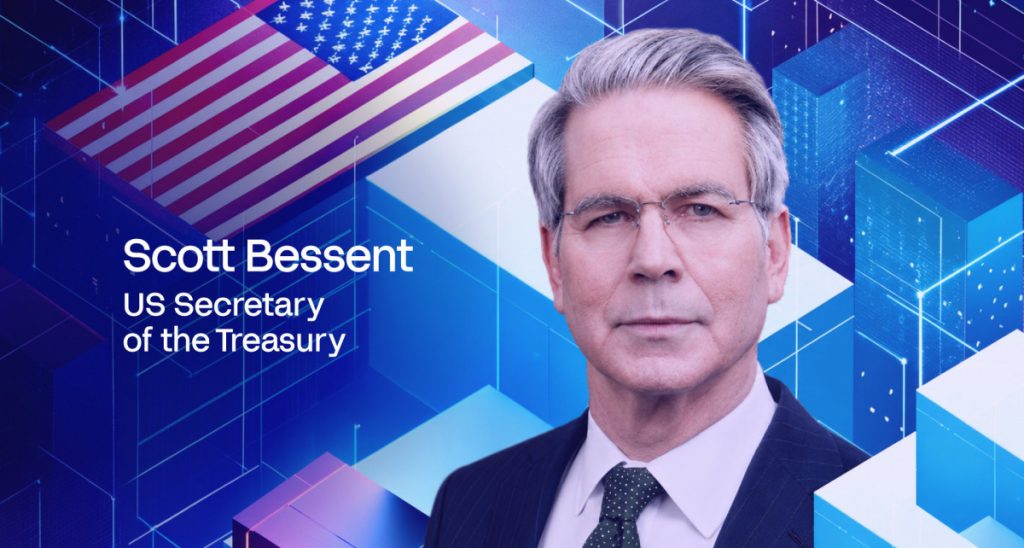
G20 finance ministers and central bank governors have formally recognized digital assets as a driver of economic growth, committing to develop clearer regulatory frameworks that balance innovation with financial stability.
The pledge came at the conclusion of the group’s second ministerial meeting of 2026, held in Asheville, North Carolina, on August 31 and September 1, with U.S. Treasury Secretary Scott Bessent issuing the Chair’s Statement. Bessent had earlier identified support for a digital asset ecosystem and cross-border payment improvements as priorities of the U.S. G20 presidency.
The statement acknowledged the transformative potential of digital financial innovation while emphasizing the need to preserve trust in monetary and payment systems. Officials committed to advancing responsible regulatory and supervisory frameworks that establish defined pathways for sound digital asset development, taking into account cross-border opportunities and risks. The commitment places digital asset oversight within the G20’s broader agenda of modernizing financial regulation and supporting private-sector-led growth.
On payment infrastructure, the group reaffirmed its Roadmap for Enhancing Cross-border Payments and urged jurisdictions to expand operating hours for large-value payment systems. Ministers also called for wider adoption of the harmonized ISO 20022 messaging standard and measures to facilitate the cross-border flow of financial services data, subject to domestic legal and security requirements. The statement noted that the Financial Stability Board is expected to publish findings on the cross-border implications of global stablecoin arrangements, as well as an assessment of data availability challenges facing regulators. For market participants and policymakers, those items matter because they signal that digital assets are being folded into the same plumbing and oversight debates that shape settlement, compliance, and cross-border finance.
NEW: There’s a notable nod to digital assets in the G20 Chair’s Statement released today by @SecScottBessent , with finance ministers and central bank governors from the 20 largest economies recognizing the potential of digital assets to support economic growth and committing to… pic.twitter.com/tphJVheczd — Eleanor Terrett (@EleanorTerrett) September 1, 2026
NEW: There’s a notable nod to digital assets in the G20 Chair’s Statement released today by @SecScottBessent , with finance ministers and central bank governors from the 20 largest economies recognizing the potential of digital assets to support economic growth and committing to… pic.twitter.com/tphJVheczd
National Frameworks Advance as Financial Crime Scrutiny Intensifies
While the G20 stopped short of proposing a unified licensing regime, several major economies have already moved to codify domestic rules. In the United States, the GENIUS Act created the first federal framework for payment stablecoins, requiring one-to-one reserve backing and setting a phased implementation timeline. The European Union’s Markets in Crypto-Assets regulation reached full force on July 1, establishing a common licensing regime for service providers and stablecoin issuers. Japan has reclassified cryptocurrencies as financial products under amended legislation and established a dedicated division within its Financial Services Agency to oversee the sector. The United Kingdom and United States agreed in July to coordinate on regulatory standards and explore mutual market access for regulated stablecoins.
At the same time, the G20 reinforced its focus on illicit finance risks tied to virtual assets. Officials called on jurisdictions with significant crypto activity to prioritize effective implementation of Financial Action Task Force standards on anti-money laundering and counter-terrorism financing. The statement highlighted evolving threats from fraud operations, including scam compounds and the use of artificial intelligence by criminals, and endorsed the FATF’s efforts to strengthen public-private information sharing. The emphasis on AML and counter-terrorism controls reflects the practical challenge facing regulators as digital assets expand across borders faster than many enforcement systems can coordinate. The United States is scheduled to host a FATF Learning and Development Forum in Dallas later this year to advance implementation.
The Asheville meeting formed part of the 2026 Finance Track. G20 finance chiefs are scheduled to reconvene in Bangkok on October 15, ahead of the Leaders’ Summit in Miami on December 14 and 15.
The post G20 Backs Crypto Innovation While Vowing Tighter Global Standards On Illicit Finance appeared first on Metaverse Post.
