FTSE 100 Hits New Record High as Investors Shrug Off Middle East Tensions
Key Takeaways
- •The FTSE 100 reached a new record high of 10,971.88 points, gaining 0.7% in early trading for its third consecutive session of advances.
- •Strong corporate earnings, particularly from Microsoft, helped improve market sentiment despite intensifying Middle East conflicts involving US strikes on Iran and its proxies.
- •The Bank of England maintained its key interest rate at 3.75%, with Governor Andrew Bailey stating it was too early to conclude the UK faces prolonged high inflation.
- •Taylor Wimpey reduced its dividend and cut housebuilding targets as elevated mortgage rates continued to pressure the UK real estate sector.
- •BP announced plans to sell its North Sea assets in response to tax policy changes, reflecting a broader industry trend of energy majors redirecting capital away from mature, higher-tax regions.
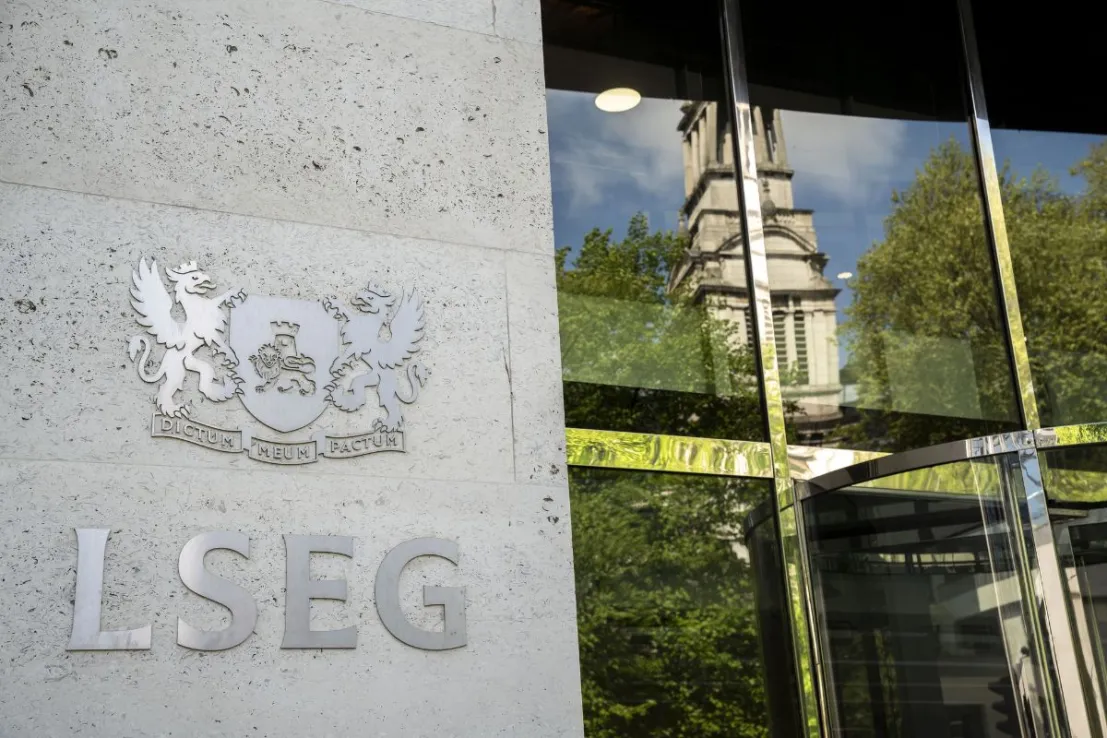
London's FTSE 100 extended its record-breaking run on Friday, rising as much as 0.7 per cent in early trading to 10,971.88 points, as investors looked past escalating conflict in the Middle East and took encouragement from strong corporate earnings and positive domestic corporate updates. For the commodity-heavy FTSE 100, the milestone underscores how global market rallies have broadened beyond just US technology stocks.
The blue-chip index notched its third consecutive session of gains, building on two straight days of record closes.
"The FTSE 100 tested new record highs on Friday morning as investors continue to climb the wall of worry and sentiment improves," said Russ Mould, investment director at AJ Bell.
Mould noted that Microsoft's "extremely well-received numbers" on Wall Street had helped "lift the broader market mood," while miners led the advance in London as the market absorbed a wave of encouraging corporate updates. The mining sector's leadership often reflects underlying optimism about global industrial demand and economic growth.
Those updates, Mould said, were "helping investors to put concerns about the Iran conflict and its continuing impact on ice for now."
Wall Street posted sharp gains overnight. The tech-heavy Nasdaq surged 2.8 per cent, while the S&P 500 gained 1.7 per cent. The rally came despite intensifying tensions in the Middle East, after the United States launched "heavy" strikes on Iran and its proxies in Iraq, and Iran's Revolutionary Guard Corps claimed responsibility for strikes on Kuwait and Jordan.
Bank of England Governor Andrew Bailey helped ease market pressures on Thursday, stating it was "too early" to conclude that the UK was heading for a prolonged period of high inflation. The Bank's Monetary Policy Committee left its key interest rate unchanged at 3.75 per cent.
Committee officials said recent data showing inflation had eased to 2.6 per cent gave the Bank some reassurance and allowed policymakers to maintain their current stance, though the sustained higher borrowing costs continue to weigh on specific sectors of the domestic economy.
Among the day's key corporate developments:
- Taylor Wimpey slashed its dividend and cut housebuilding targets amid slowing housing demand, highlighting the direct toll that elevated mortgage rates are taking on the UK real estate sector.
- BP announced plans to sell its North Sea assets following a tax policy change, aligning with a broader industry trend of energy majors redirecting capital away from mature, higher-tax regions.
The situation in the Middle East remained fluid, with further developments reported throughout the day. While equity markets have absorbed the geopolitical risk so far, market participants will be watching for any potential disruptions to global energy supplies that could alter the current optimistic economic outlook.

