Frontline Locks Four VLCCs into Multi-Year Charters at Rates Up to $120,000 Per Day
Key Takeaways
- •Frontline fixed two newly delivered VLCCs for one year each at $120,000 per day, with the vessels joining the fleet in June and July.
- •Two 2016-built VLCCs were chartered from August, one for two years at $90,000 per day and the other for three years at $75,000 per day, with charterers undisclosed.
- •The minimum periods across the four fixtures represent approximately $235m of gross contracted hire.
- •Frontline reported record second-quarter profit of $659.2m and agreed in July to sell two 2017-built VLCCs for $270m.
- •The company has shifted toward period cover this year after fixing seven VLCCs for one year at an average of $76,900 per day in January.
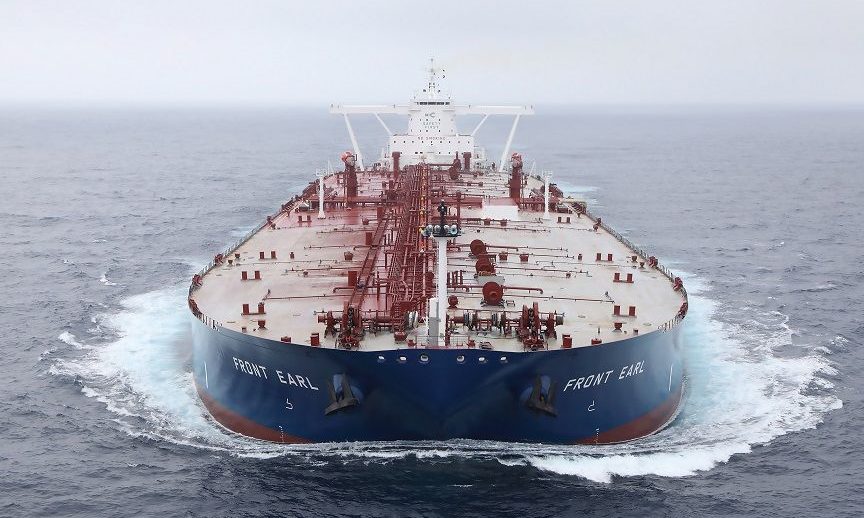
Frontline has moved to capitalise on the red-hot VLCC market by locking four ships into term charters, securing rates of up to $120,000 per day and extending longer-term earnings cover at levels rarely seen in the sector.
The John Fredriksen-backed tanker giant has fixed two newly delivered VLCCs for one year each at $120,000 per day. The vessels joined the fleet in June and July.
Frontline has also tied up two 2016-built VLCCs from August. One has been fixed for two years at an average of $90,000 per day, while the other has secured three-year employment at an average of $75,000 per day. The charterers were not disclosed.
On a simple day-rate basis, the minimum periods across the four fixtures represent roughly $235m of gross contracted hire. VLCCs, the largest crude oil tankers in common service, carry around two million barrels per voyage, and their earnings are closely tied to seaborne crude trade volumes and the length of voyage routes.
The latest deals extend a major shift towards period cover at Frontline this year. As Splash reported in January, the company fixed seven VLCCs for one year at an average of $76,900 per day, with South Korea's Sinokor linked to the ships. At the time, chief executive Lars Barstad described the levels as rates not seen for decades.
The new fixtures have been struck into an even stronger market. Frontline's VLCCs earned an average of $152,700 per day in the spot market during the second quarter, while 86% of available third-quarter VLCC days have so far been covered at $156,900 per day. Barstad said the company had increased its focus on securing revenue visibility at historically high levels. Term charters trade off some upside from spot trading in exchange for steadier, locked-in income, a balance that has become more prominent across the tanker sector as owners weigh record spot earnings against the risk of the cycle turning.
The charter update came alongside Frontline's strongest quarterly numbers on record, with second-quarter profit reaching $659.2m. The company has also moved to monetise high asset values, agreeing in July to sell two 2017-built VLCCs for $270m. The simultaneous push into period cover and asset sales points to a fleet strategy of locking in cash flow while high valuations persist, and further fixtures or fleet renewals will show whether that approach continues.
