'Dangerous strategy': GOP pollster Frank Luntz says Trump's midterm play could backfire
Key Takeaways
- •Pollster Frank Luntz said Democrats are favored to win control of Congress in November, but Trump's effort to rally his base could keep the midterms from becoming a blowout, though he considers the strategy risky.
- •Luntz identified a turnout differential favoring Democrats by a couple of points, observing that Trump's support today is weaker than in past election cycles such as 2016 and 2024.
- •He named Texas, Iowa, Alaska, and Ohio as states where Trump must drive his voters to the polls, warning that Democrats will achieve upsets if Trump voters do not participate.
- •Latino voters who supported Trump in 2024 have since abandoned him over his deportation operations, while male union voters and voters under 30 remain key groups Luntz is tracking.
- •Luntz said voters are angry and want results rather than rhetoric, with the war in Iran and the affordability crisis expected to be top issues on Election Day.
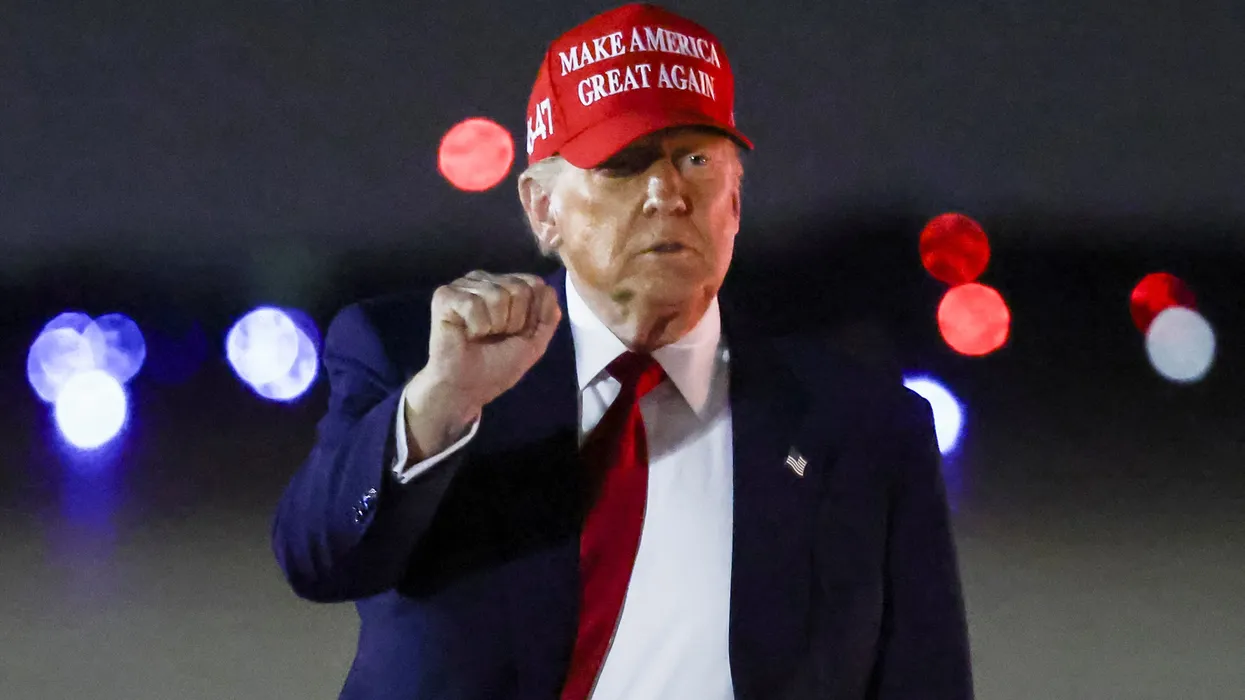
Veteran Republican pollster Frank Luntz has a warning for Democrats: while they are favored to win back control of Congress in November's midterm elections, President Donald Trump's effort to rally his MAGA loyalists behind Republican candidates could keep the outcome from becoming the blowout some expect. At the same time, Luntz cautioned, the strategy is a "dangerous" one for the president's party.
The stakes are structural: all 435 House seats and more than 30 Senate seats are on the ballot, Republicans are defending narrow majorities in both chambers, and the vote will be the first nationwide federal election since Trump returned to the White House. History also weighs on the president's party, which has lost House seats in nearly every midterm election since World War II — part of the backdrop to why Democrats enter November favored.
Luntz addressed the question Monday with CNN anchor Audie Cornish in an interview clip, during which Cornish asked whether treating the midterms as if Trump himself were on the ballot would ultimately help or hurt.
"I'm looking at a turnout differential that advantages the Democrats by a couple of points, which means that there are more people who oppose Donald Trump who are planning to vote than those who support him," Luntz said.
That dynamic could still shift, he noted, if Trump manages to energize the supporters who remain with him.
"Now, here's the issue," Luntz continued. "When he is on the ballot, his people come out. They participate. They did in the on-year elections 2016 and 2024. And they did not in 2018. And they did not as much even when Joe Biden was the president [after] 2020 for the 2022 election. So that's what he's trying to do. His numbers, his support is not as strong today as it has been in the past. So, it's a very dangerous strategy."
The states where Trump must drive his voters to the polls, Luntz said, include traditionally red territory such as Texas, where Sen. John Cornyn (R) was voted out of the Senate in favor of his GOP challenger, Ken Paxton, the state's attorney general. According to Luntz, Paxton is not exciting voters — in fact, it is the opposite. He also pointed to Iowa, Alaska and Ohio.
"If the Trump voters don't participate, the Democrats will achieve an upset," he said. "So, I understand the strategy, but it has multiple impacts we need to take into account as we start to make projections for election day."
Among the key voting groups analysts and pollsters have been watching are Latino voters, who supported Trump in 2024 but have since abandoned him as his deportation efforts turned into an operation very different from the one he campaigned on.
"But he saw the difference. He saw what it did to his own support and what it did for senators and congressmen who are running at the same time," said Luntz. "The other group I'm looking at are male union voters, who moved towards the Republicans in historic levels in 2024. The third group is younger voters, voters under the age of 30 who cast more votes for Donald Trump again in 2024, more than usually do."
Those groups also backed Republicans down the ballot, Luntz noted.
"And I have a simple challenge to people who watch how voters are reacting: If Trump can keep the House and keep the Senate, he has proven how powerful he is," he cautioned.
Even so, Luntz argued that Trump holds no more influence over races than any other Republican in history. The difference this time around is that "voters are angry, and they want results, not rhetoric."
Voters are expected to hold Trump to account with their votes in November on top issues such as the war in Iran and the affordability crisis.
"And I'd say one more thing to people who are working for Donald Trump: you can bash the pollsters all you want — on Election Day, as the great John Wooden quote goes, 'The votes are the votes. The results are the results.' And I think this is going to be a challenge for GOP candidates," said Luntz.
Between now and election day, the markers Luntz identified — the couple-point turnout differential, whether Trump can energize his remaining supporters in states like Texas, Iowa, Alaska and Ohio, and whether Latino, male union and under-30 voters stay with Republicans down the ballot — are the signals he says will shape projections.
The open question, Luntz suggested, is whether people still believe in Trump enough to stage an upset.

