France's Power Prices Surge 22% as Heatwave Forces Nuclear Output Cuts
Key Takeaways
- •French day-ahead electricity prices surged 21.8% to $164.39 per megawatt hour as a heatwave forced EDF to reduce nuclear output by 7.3 gigawatts, approximately 12% of total capacity.
- •This marks at least the fifth extreme heat event to affect France since June, with a prior mid-summer heatwave already causing a 6.4 GW reduction in nuclear generation.
- •Nuclear energy supplies roughly 70% of France's electricity, and French regulations require plants to curtail operations when river temperatures exceed ecosystem protection thresholds.
- •Hungary and Romania were also forced to shut down reactors this month after the Danube river fell to its lowest level in 90 years, with Romania blasting rock formations and sinking rock-filled barges to redirect cooling water to its Cernavoda plant.
- •The repeated heat-related disruptions across Europe expose a structural challenge for nuclear power, whose dependence on freshwater cooling ties generation capacity to increasingly stressed hydrological conditions.
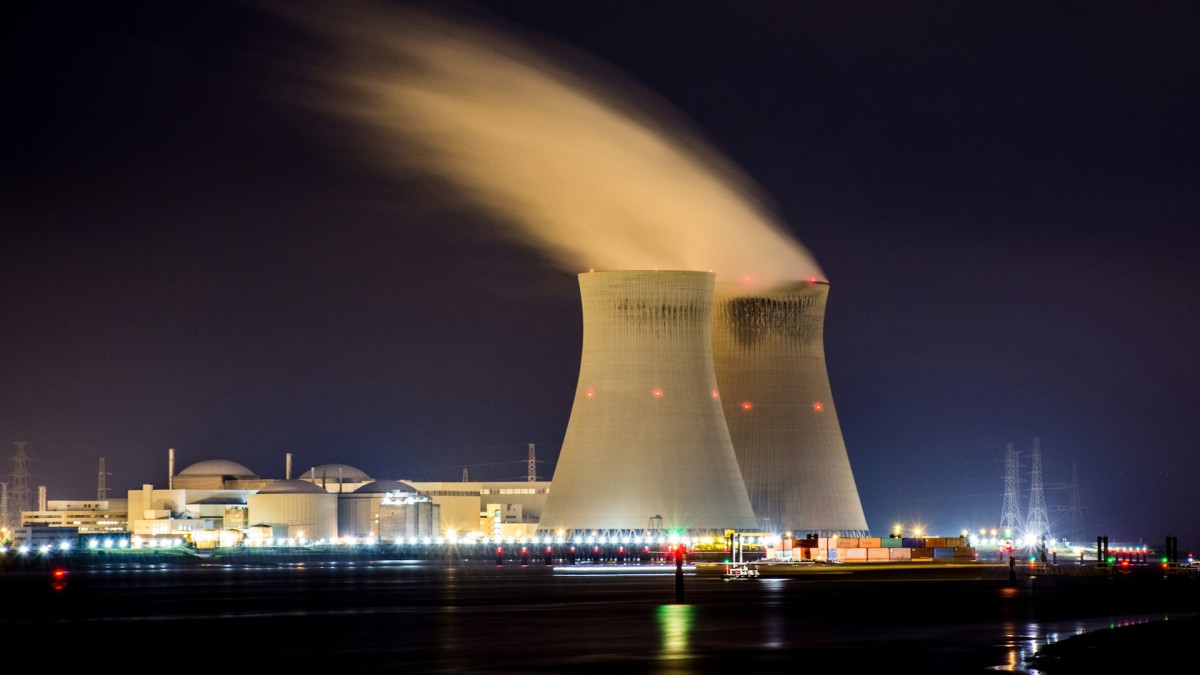
A new heatwave sweeping across France is curbing nuclear power generation in Europe's largest nuclear electricity supplier, sending day-ahead power prices sharply higher and underscoring the vulnerability of the continent's power system to climate-driven disruptions.
French day-ahead power prices soared by as much as 21.8% to $164.39 (€142.5) per megawatt hour (MWh) on Tuesday morning local time, according to LSEG data cited by Reuters. The spike came as nuclear power generation was expected to be curbed during the mid-day peak on Wednesday. France is typically Europe's largest net exporter of electricity, and reductions in its nuclear output can ripple into neighboring power markets including Germany, Italy, and Spain, which rely in part on cross-border imports to balance supply.
Data from nuclear operator EDF showed that France would see its nuclear generation reduced by 7.3 gigawatts (GW) on Wednesday, equivalent to approximately 12% of total capacity. The cut comes amid this week's heatwave, which is at least the fifth extreme heat event to grip the country since June.
In France, nuclear energy accounts for roughly 70% of the electricity mix. Power prices are facing upward pressure on two fronts: reduced nuclear output, as river water levels used for cooling reactors run low or become too warm, and increased electricity consumption driven by the heatwave itself. French regulations require nuclear plants to limit or halt operations when river temperatures exceed thresholds designed to protect aquatic ecosystems, and EDF has periodically received temporary waivers to continue operating under restricted conditions.
France has already been forced to curb nuclear generation multiple times during the prolonged and intense heatwaves this summer. In the middle of last month, nuclear output was slashed by 6.4 GW amid a heatwave that raised river temperatures and limited the ability of power plants to draw cooling water. The recurring cuts come after several years of operational challenges for EDF's 56-reactor fleet, including extended maintenance outages and stress corrosion discoveries that significantly reduced output in 2022.
The heatwaves have also disrupted nuclear power production across central and eastern Europe. Both Hungary and Romania were forced to shut down reactors at their respective sole nuclear power plants this month, due to the Danube river reaching its lowest water level in 90 years.
In Hungary, one of the turbines at the Paks nuclear plant resumed electricity production on Monday as the Danube's water level edged upward, aided by rainfall in Austria.
Romania took more drastic measures. Last week, authorities blasted a rock formation in the Danube and sank barges filled with rocks to redirect the river's flow, ensuring sufficient cooling water for the reactors at the country's only nuclear power plant in Cernavoda.
The repeated heat-related curtailments across multiple countries highlight a structural challenge for nuclear energy in Europe: while reactors provide large amounts of low-carbon baseload power, their dependence on freshwater for cooling ties their output to hydrological conditions that climate scientists project will face growing stress from more frequent and intense heatwaves.
By Michael Kern for Oilprice.com

