Fox News Analyst Stuart Varney Urges Trump to 'Acknowledge' That Economic 'Chaos' Is 'Real'
Key Takeaways
- •Fox News host Stuart Varney warned Friday that voters are not buying President Trump's positive economic messaging, echoing Karl Rove's advice that the White House should focus and acknowledge real household financial pain.
- •An AP-NORC poll released Thursday found just 26 percent of Americans approve of Trump's handling of the economy and 17 percent approve of his handling of the cost of living, while 65 percent say his policies are contributing to higher-than-usual prices.
- •Republicans face the prospect of historic midterm, with analysts predicting Democrats are almost certain to flip the House and the GOP's Senate majority increasingly under threat.
- •The GOP is canceling tens of millions of dollars in advertising in one state and reallocating funds to races it deems winnable, a move campaign strategists treat as a gauge of where the party sees viable paths to victory.
- •Senate Majority Leader John Thune said midterm races are centered on affordability issues such as diesel prices across the Midwest, adding that the economic fallout from Trump's war with Iran has overshadowed everything else.
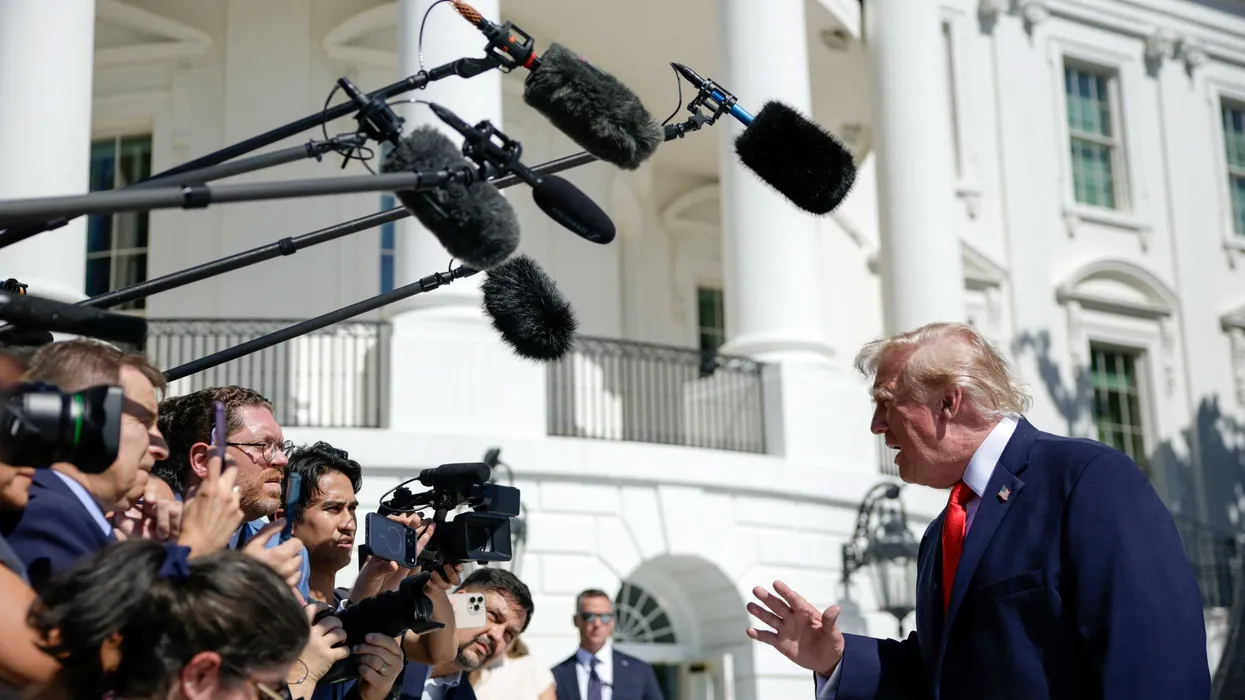
Stuart Varney, one of the top hosts and business analysts at Fox News, warned on Friday that voters are "just not" buying President Donald Trump's repeated claims that all is well with the economy.
"Voters are not picking up on his positive economic message. They're just not. Why?" Varney asserted.
"The president is saying that we're doing great, but don't tell me we're doing great," complained Varney's guest. "Explain why." In his estimation, the White House should take the advice recently offered by veteran Republican strategist Karl Rove: "Focus. I don't want to hear about the Kennedy Center. I don't want to hear about a triumphal arch." He asserted that if Trump has good news about the economy, he should explain it to voters. What's more, he said, Trump should "acknowledge that their pain at the pump is real. Their pain in the pantry is real. The chaos at the kitchen table is real."
The plea comes as the Republican Party faces the prospect of historic losses in the upcoming midterm elections, contests that will determine control of Congress and, with it, the legislative environment for the remainder of Trump's term. That warning lands against a long-running historical backdrop: the president's party has lost House seats in nearly every midterm election since World War II. With voters describing the economic woes caused by Trump's war with Iran as their top frustration, the president has been consistently dismissive of such concerns, calling the affordability complaints that arose even before the war a Democratic "hoax," and telling reporters on Thursday that he himself "an A+ on the government, on economics, on everything."
According to Politico, "Trump has twice this week appeared to blame his own team for failing to communicate all the positives he's achieved since taking office nearly two years ago. On Thursday, he added that 'the press isn't treating us fairly.' But with stubbornly persistent inflation, gas above $4.40 a gallon and mortgage rates above 7 percent, even Republicans in ruby-red states are facing headwinds that could blow them from office. The president's grade comes as affordability remains a major vulnerability for Republicans on the ballot this November. An AP-NORC poll released Thursday found just 26 percent of Americans approve of Trump's handling of the economy and 17 percent approve of his handling of the cost of living. Sixty-five percent said Trump's policies are contributing to higher-than-usual prices."
As a result, analysts predict that Democrats are almost certain to flip the House, and Republicans are increasingly worried that their majority in the Senate is under threat, even seeming to all but give up on key Senate seats. On Friday, for example, it was reported that the GOP is cancelling tens of millions of dollars in advertising, apparently giving up on retaining one state in favor of shifting money to races it feels are still winnable — a reallocation that campaign strategists routinely treat as a gauge of where a party sees viable paths to victory. In the run-up to November, further shifts in advertising and in polling on affordability will be among the clearest public indicators of whether the economic unease driving those decisions deepens or eases.
Despite Trump's attempts to dismiss the economic concerns, members of his own party are discussing them openly.
"Right now the races are more about affordability issues," said Senate Majority Leader John Thune (R-SD). "It's the price of diesel in places like Iowa and Kansas and Nebraska and the Midwest, Minnesota. I think that's the issue, and what's happening is Iran has trumped everything else that's going on."
Source: Alternet

