The Korea Times Publishes Opinion Piece 'Fossil Fuels Creature Crushes Earth'
Key Takeaways
- •The Korea Times published the opinion column "Fossil fuels creature crushes earth" on August 20, 2026, at 9:50 a.m. KST in its Opinion section.
- •As an opinion column, the piece expresses its author's personal viewpoint rather than serving as a news report.
- •Fossil fuels supply roughly 80 percent of global primary energy demand, and their combustion is the largest source of human-caused carbon dioxide emissions, according to IPCC and IEA assessments.
- •The IPCC's Sixth Assessment Report found that human influence has unequivocally warmed the atmosphere, ocean, and land, with carbon dioxide from fossil fuels and industry identified as the largest driver of observed warming.
- •At the COP28 summit in Dubai in 2023, nearly 200 countries endorsed the first-ever UN climate summit language calling for a transition away from fossil fuels, alongside pledges to triple global renewable energy capacity by 2030.
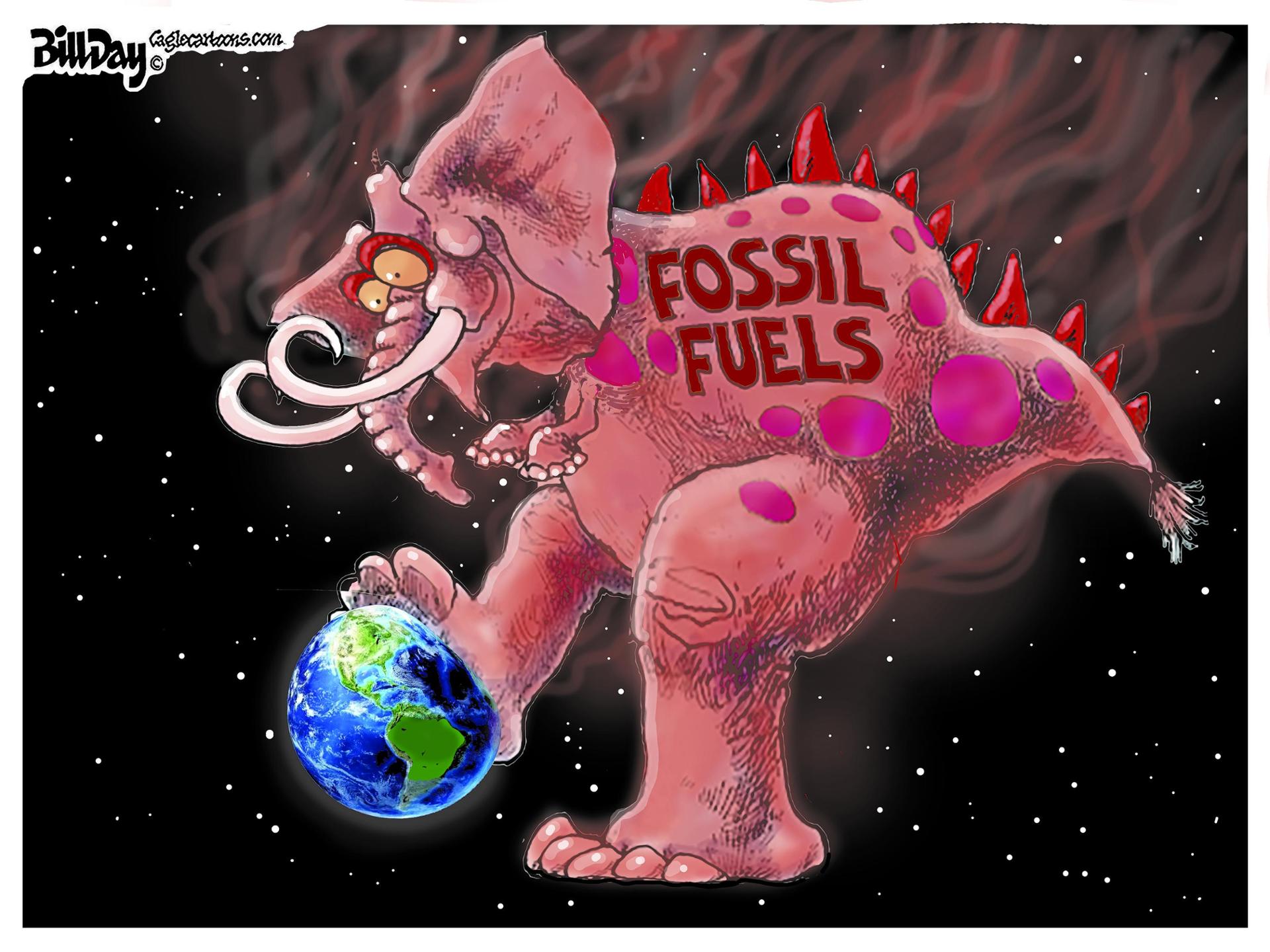
An opinion column headlined "Fossil fuels creature crushes earth" was published by The Korea Times on August 20, 2026, at 9:50 a.m. KST, in the newspaper's Opinion section. The full article is available at the source: Fossil fuels creature crushes earth.
The Korea Times, founded in 1950, is one of South Korea's longest-running English-language dailies, and its Opinion section regularly carries columns by Korean and international contributors. As with any opinion column, the piece reflects its author's personal viewpoint rather than a news report.
The piece's headline frames fossil fuels as a "creature" that is crushing the Earth, a personification that stands out amid ongoing global debate over the future of coal, oil, and gas.
As widely documented background, fossil fuels — coal, oil, and natural gas — remain the world's dominant sources of primary energy, supplying roughly 80 percent of global demand, and burning them is the largest source of human-caused carbon dioxide emissions, according to assessments from bodies such as the Intergovernmental Panel on Climate Change (IPCC) and the International Energy Agency (IEA). The IPCC's Sixth Assessment Report concluded that human influence has unequivocally warmed the atmosphere, ocean, and land, identifying carbon dioxide from fossil fuels and industry as the largest driver of observed warming. Policy debate has moved in parallel: at the COP28 climate summit in Dubai in 2023, nearly 200 countries adopted decision language calling for "transitioning away from fossil fuels in energy systems" — the first time a UN climate summit outcome referenced such a shift — alongside pledges to triple global renewable energy capacity by 2030. The pace of that transition remains one of the most contested questions in international climate negotiations and national energy planning.

