Fortitude Brings Nebraska Zcash Mining Facility Online Ahead of Planned Public Listing
Key Takeaways
- •Fortitude’s Grand Island, Nebraska, facility is now online and ready for commercial operations after construction and electrical testing were completed.
- •The 12-megawatt site expands Fortitude’s owned power portfolio to more than 60 megawatts across seven locations.
- •Fortitude estimates the new facility could reduce its direct cash cost of mining Zcash from about $70 per coin to around $40 per coin if operating conditions hold.
- •The project is expected to use electricity priced at about $0.045 per kilowatt-hour and is positioned to curtail usage during peak demand as an interruptible load.
- •The facility launch comes ahead of Fortitude’s planned business combination with HeartSciences, which would provide the company’s public listing.
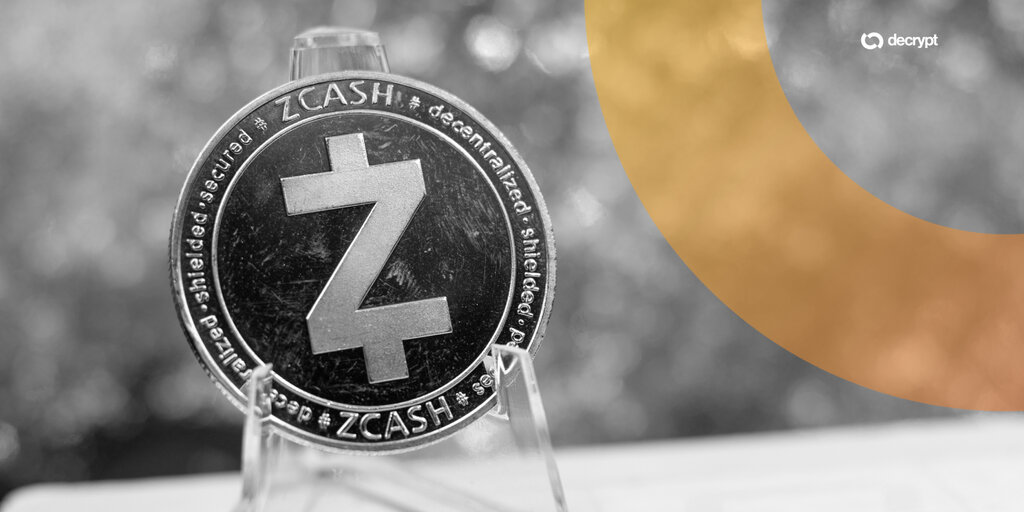
Fortitude has brought a 12-megawatt mining facility in Grand Island, Nebraska, online, increasing its owned power portfolio to more than 60 MW.
The company says the site should lower its direct cash cost of mining Zcash by combining cheaper electricity with newer mining equipment. The announcement comes as Fortitude prepares for a planned merger with HeartSciences that would take the company public.
Zcash mining company Fortitude said Tuesday that its Grand Island site has completed construction and electrical testing and is ready for commercial operations. The facility is the company’s first greenfield data center and expands its owned power portfolio to more than 60 megawatts across seven sites.
The milestone comes ahead of Fortitude’s previously announced business combination with HeartSciences (Nasdaq: HSCS), a publicly traded medical technology company, which would serve as the company’s public listing.
"Our power strategy is owned-and-operated, and that discipline is what underpins our vertically integrated Zcash strategy and our venture mining platform," CEO Andrea Childs told Decrypt. "Owning the asset rather than leasing capacity from someone whose incentives run opposite to ours is intended to give us a degree of flexibility that we believe few operators have."
Fortitude said the facility is expected to reduce its direct cash cost of mining Zcash from about $70 per coin to roughly $40 per coin, assuming successful deployment of mining equipment and stable power, network and market conditions. For reference, Zcash currently trades for $489 per coin at an $8 billion market capitalization.
The company said the projected savings come from lower-cost owned power and more efficient next-generation mining hardware.
The facility is expected to buy electricity at about $0.045 per kilowatt-hour. It is located between two solar generation facilities and next to a substation with excess capacity, allowing it to operate as an interruptible load that can reduce electricity consumption during periods of peak demand.
Launched in January 2025, Fortitude emerged from Digital Currency Group’s mining division at Foundry to mine Bitcoin and other proof-of-work cryptocurrencies through what it calls a venture mining strategy. The company said it would reinvest mining profits into new equipment and site acquisitions as it expanded its infrastructure footprint.
"In our view, Zcash today is at a completely different stage than Bitcoin. Our perspective is that Bitcoin's mining economics are mature and crowded when compared to Zcash," Childs added. "We believe Zcash’s time is now, and our vertically integrated structure, coupled with our long-term conviction and history mining the asset, has positioned us to benefit from Zcash’s continued growth and importance in the future of the financial system."
The project comes as cryptocurrency miners compete for low-cost power, while rising demand from AI data centers adds pressure on electricity supplies and suitable sites. That makes access to developed land, grid capacity and flexible power arrangements a practical constraint for operators, especially as new capacity must compete with other industrial users for limited infrastructure.
As data centers face increasing scrutiny over their electricity and water demands, Grand Island officials said Fortitude’s mining facility was designed to function as a flexible grid resource while limiting its impact on the surrounding community.
"Competition for power has intensified, but in our view, it hasn't slowed us down," Childs said. "By developing and owning our own sites, we seek to control our power costs directly rather than relying on third-party vendors to set them for us."

