Former Ripple CTO David Schwartz Says He Sold Most of His Crypto Holdings Due to Low Risk Tolerance
Key Takeaways
- •Former Ripple CTO David Schwartz, an original architect of the XRP Ledger, says he sold nearly all of his cryptocurrency holdings because of an extremely low personal tolerance for risk.
- •His Bitcoin holdings fell from approximately 1,500 BTC to a single BTC, representing the largest numerical reduction he disclosed.
- •Schwartz's XRP balance declined from a peak of roughly 26 million tokens to about 3 million, while his Ether holdings dropped from 40,000 ETH to just 6 ETH.
- •The sales were driven by risk aversion rather than any stated change in his assessment of XRP, Bitcoin, or Ether.
- •Schwartz did not reveal the dates, prices, or proceeds of the sales, leaving those details unknown.
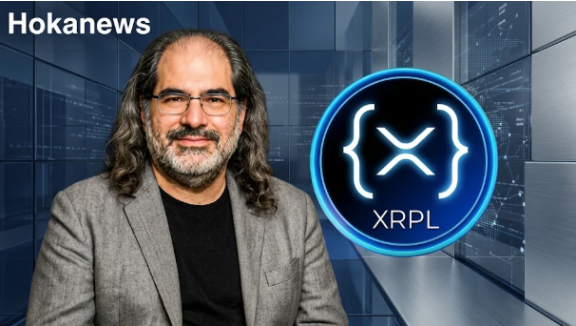
Former Ripple Chief Technology Officer David Schwartz has disclosed that he sold the vast majority of his cryptocurrency holdings, citing an unusually low tolerance for financial risk. Schwartz, who served as Ripple's CTO for many years and is widely known as one of the original architects of the XRP Ledger, held positions that once included millions of XRP tokens, approximately 1,500 Bitcoin, and 40,000 Ether.
The disclosure, shared by Wu Blockchain on X, shows how dramatically Schwartz's personal crypto portfolio has changed. Because he is one of the XRP ecosystem's most recognizable technical figures, the figures offer a concrete look at how a longtime industry veteran has scaled back personal exposure. His peak XRP holdings of roughly 26 million tokens have fallen to around 3 million XRP. His Bitcoin position has declined from approximately 1,500 BTC to just 1 BTC, while his Ether holdings have dropped from 40,000 ETH to 6 ETH.
The figures represent substantial reductions across three major cryptocurrencies. Although Schwartz did not provide specific sale dates or the prices at which he disposed of the assets in the reported comments, he directly attributed his decisions to his personal approach to risk.
Schwartz Says He Has Little Appetite for Market Risk
Explaining his decision, Schwartz said he "really, really hates risk." He added that he simply does not have the personal disposition to tolerate heavy market volatility. Pronounced price swings are a defining characteristic of cryptocurrency markets, and digital assets are widely regarded as among the more volatile investment categories — a feature that makes individual risk tolerance a central factor in how much exposure any holder chooses to carry.
His comments indicate that the reductions were driven by risk aversion rather than a stated change in his assessment of XRP, Bitcoin, or Ether. The disclosure does not indicate that he sold the assets because of a particular market forecast, regulatory concern, or development involving any of the three cryptocurrencies.
Schwartz's explanation also highlights the distinction between professional involvement in the cryptocurrency industry and an individual's willingness to maintain substantial personal exposure to digital assets. Even someone who has held a senior technical position at a major blockchain company may take a conservative approach to managing personal investments.
Holdings Reduced Across XRP, Bitcoin, and Ethereum
The largest numerical reduction disclosed was in Bitcoin. Schwartz's holdings fell from around 1,500 BTC to 1 BTC, meaning that almost his entire previously reported position was sold.
His XRP balance also declined sharply, from approximately 26 million XRP at its peak to around 3 million XRP. Meanwhile, his Ether holdings dropped from 40,000 ETH to just 6 ETH.
These figures show that his decision to reduce exposure was not limited to a single cryptocurrency. XRP, BTC, and ETH were all affected, with the remaining balances representing only a small portion of the amounts he previously held. Even so, the disclosure confirms that Schwartz retains direct, if greatly reduced, exposure to all three assets.
Schwartz did not disclose the total proceeds from the sales or provide a detailed account of when each reduction took place. His stated reason was his strong aversion to risk and an inability to comfortably tolerate significant volatility. Until any further details are shared, the timing of the sales, the prices realized, and the proceeds involved remain unknown.

