Former MAGA 'Tradwife' Describes Her Journey Out of 'Religious Psychosis'
Key Takeaways
- •Stephania Messina was a member of the 'tradwife' movement, a social-media subculture promoting homemaking and submission to husbands, rooted in evangelical Christianity.
- •She believed God would provide financially if she submitted to her husband, and avoided politics and independent media, which she was told was 'demonic.'
- •The pandemic created conflict between her professional background as a respiratory therapist and statements from the president and church leaders.
- •Her husband's death in a motorcycle accident, which her pastor's wife called a 'blessing in disguise,' prompted her final break from the church.
- •Her ongoing 'deconstruction' reflects a wider documented trend of Americans publicly leaving rigid evangelical and MAGA-aligned identities.
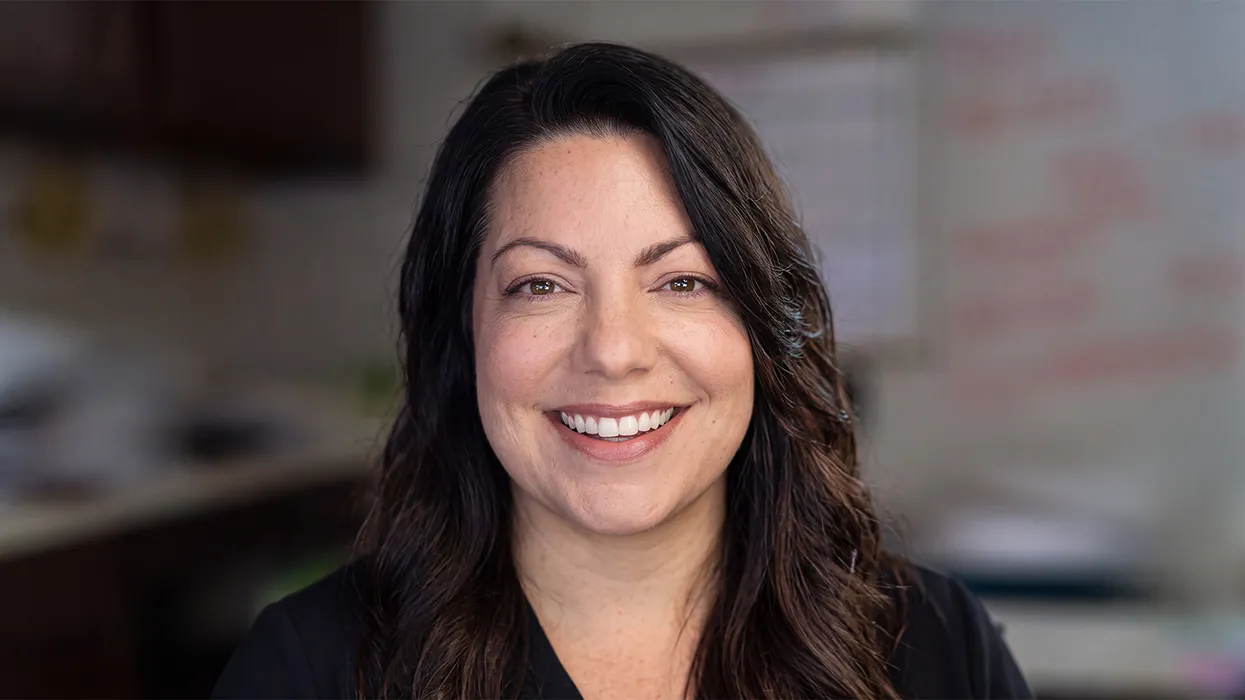
An evangelical MAGA mother from Michigan genuinely believed that God would provide for her family — until the affordability crisis struck.
The International Business Times highlighted an interview with Stephania Messina, a woman who joined the so-called "trad wife" movement, a world constructed on social media in which women embrace "traditional wife" roles such as homemaking, child-rearing, and supporting their husbands. Participants post videos romanticizing cooking and homeschooling children. Much of the movement draws from evangelical Christianity, and in Messina's case, that is exactly where it began. The tradwife aesthetic has grown into a sizable niche on platforms like TikTok and Instagram in recent years, with high-follower accounts promoting domestic subservience as an alternative to feminist career norms — an online culture that researchers and journalists have noted can blur lifestyle content with religious and political ideology.
Speaking to The Guardian, Messina explained that she was in the throes of postpartum depression when she went deeper and deeper into her faith. She truly believed, "I don't need to work. I don't need to worry about how I'm going to afford these kids, because God's going to figure it out."
"I took that 100 percent seriously. I was a tradwife," she said.
As a child, her family attended an Assemblies of God church, which she described as reminiscent of Pentecostal congregations, where she watched parishioners speak in tongues. The pastor later embezzled a large sum of money, and her family ultimately left the church. When she cast her first vote, it was for President Barack Obama, but she then pivoted to former Rep. Ron Paul (R-Texas).
Her reasoning was that if she fully submitted to her husband's control, God would provide financially.
"I don't need to work. I don't need to worry about how I'm going to afford these kids, because God's going to figure it out. If I'm obedient, if I surrender to the leadership of my husband, then God's going to bless me," she said of her beliefs at the time.
She also began to avoid politics altogether.
"They don't want you knowing about politics. It wasn't my job to vote or to know who to vote for. I was just supposed to submit to my husband and do what he thought was necessary," Messina explained.
Although she was a supporter of President Donald Trump, she said her allegiance did not stem from him but from God. "I never wore a red hat. I never went to a Trump rally. My MAGA was 'Make America Godly Again.' My loyalty wasn't to Trump. My loyalty was to God and the church."
She was taught not to even look at independent media, "because it's demonic." That kind of media avoidance is a pattern documented in reporting on high-control religious environments, where restricting outside information sources reinforces internal authority — and it is a dynamic ex-members frequently cite as what kept them in the movement longest.
"I was so deep in what I can only call a religious psychosis," she said, in hindsight.
As the mental health organization AMFM explains, this is not a formal diagnosis but rather an informal phrase describing a detachment from reality resulting from delusions, hallucinations, or intense fears that take on religious or spiritual themes.
For Messina, everything changed during the pandemic. Before adopting the tradwife lifestyle, she had worked as a respiratory therapist. Her years of training and expertise stood in complete conflict with what the president and church leaders were saying, contradicting everything she had known.
Then her husband died in a motorcycle accident. Her pastor's wife called the death a "blessing in disguise" because her children would not grow up with a non-Christian influence in their lives.
"After that, I was done," she said.
"I was afraid to speak out because I thought everyone would hate me. But it wasn't until my perspective became more progressive that I felt like my empathy came back," she said, noting that she had begun rebuilding her worldview. Messina's self-described "deconstruction" is part of a broader, well-documented trend of Americans — many raised in evangelical communities — publicly working through their exit from rigid religious and political identities, a process The Guardian's interview series on former MAGA supporters has been tracking.
"I don't care how long it takes. I will be deconstructing the rest of my life," Messina estimated.
Source: International Business Times, The Guardian
