Teary-Eyed Grandmother Pleads for 'Grandparents' Rights' Law at Byron Donalds Campaign Event
Key Takeaways
- •Video footage of a grandmother pressing Byron Donalds for a grandparents' rights law has spread on Facebook and X, drawing mockery online.
- •Donalds expressed sympathy and promised to work with the woman and Florida legislators but did not propose a specific bill.
- •Florida law currently allows court-ordered grandparent visitation only in limited situations, typically involving a parent who has died, is missing, or is severely incapacitated.
- •A study discussed by sociologist Rin Reczek, based on interviews with 68 adults who cut off relatives, frames estrangement as a clash between competing expectations of loyalty and respect rather than trauma or selfishness.
- •The Cleveland Clinic describes going no contact as a last-resort protective measure that can serve mental and emotional safety, stability, healing, and ending generational trauma.
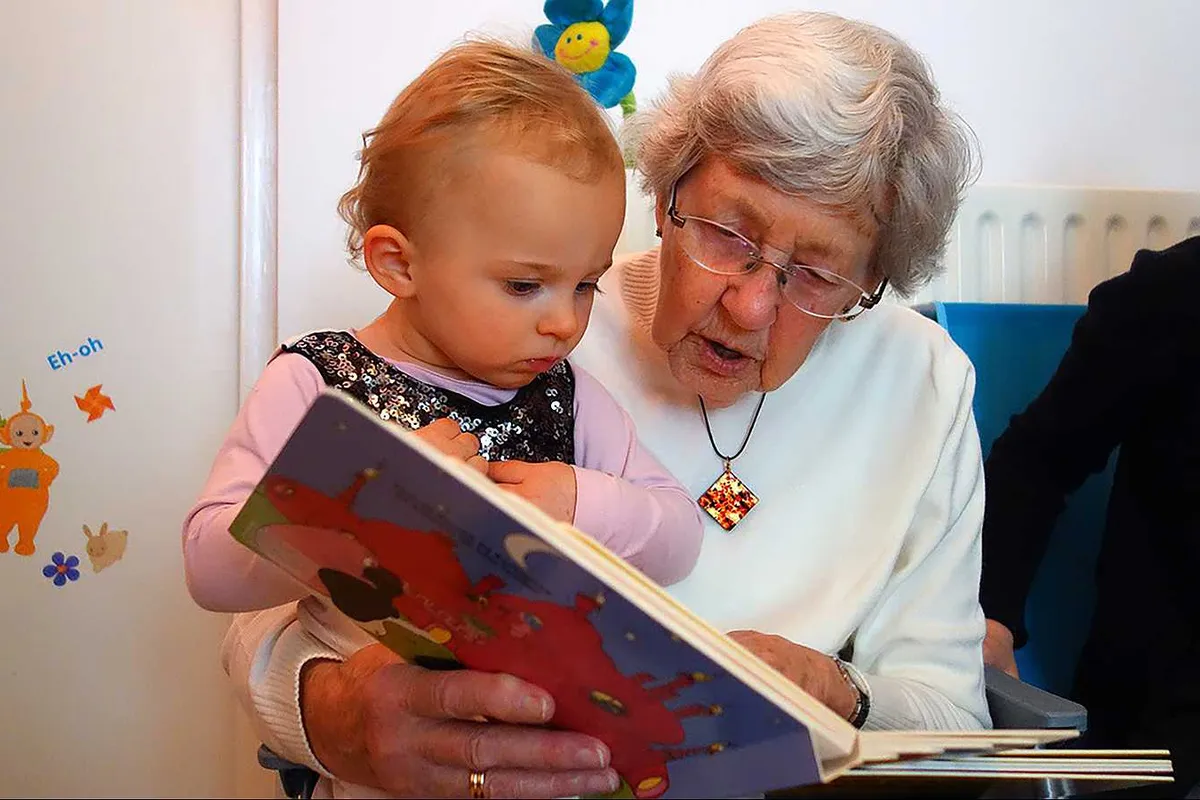
A "Boomer" grandmother is being mocked online after demanding that a Republican candidate for governor pass a law guaranteeing "grandparents' rights," with video of the exchange circulating on Facebook and a post on X drawing attention.
Speaking at an event with Florida Republican gubernatorial candidate Byron Donalds, the woman asked about grandparents' legal right to see their grandchildren. She broke down as she revealed that her "petty" daughter has gone "no contact" with her and is refusing to allow her to see her grandson.
Donalds told her, "You have my word, and we are gonna look into that. And we'll work with you, and we'll work with the members of the legislature on this. But I'm really sorry that that is happening to you. I really, really am."
The woman continued to describe her situation in emotional terms, and Donalds could offer little beyond sympathy.
A Growing Pattern of Estrangement
The exchange comes amid a significant increase in family members choosing to go "no contact" over the past several years. Therapist Patrick Teahan has explained that the process can sometimes stretch across decades.
An analysis of a study in The Conversation by sociology professor Rin Reczek spoke with 68 adults who went no-contact with a parent, sibling, grandparent or other relative, seeking to uncover the source of what some in the media have called an epidemic created "by therapy culture."
Reczek cited one 26-year-old woman who explained that she and her father could do things only "his way" because he is the father. She decided she did not want a relationship like that and went no contact. Reczek said the story reflects her thesis that these accounts are less about "trauma or selfishness, and more a clash between competing expectations: an insistence on loyalty, duty and forgiveness on one hand, and the longing for respect, emotional safety and personal growth on the other."
The Cleveland Clinic describes going no contact as a protective measure used as a last resort. While in some cases it can result from abuse, for some families it is more about mental and emotional safety, stability, healing and even eliminating generational trauma.
Hurt parents have flocked to self-help books, websites, Reddit and social media, blaming their children for being "caught up" in a growing "no contact movement." The is hardly new, as one LGBTQ news site has explained.
"Whether your family kicked you out or cut ties because of your sexuality or gender identity, or you put up boundaries because their judgment and lack of respect were painful or abusive queer people have been making tough choices about their family of origin for decades," PRIDE wrote last year during the winter holidays, after an Oprah special on the matter.
Florida law currently allows court-ordered grandparent visitation only in limited circumstances, typically involving a parent who has passed away, is missing or is severely incapacitated. The woman at the Donalds event wants the law changed to force her children to see their grandmother. Donalds stopped short of proposing a specific bill, but by pledging to work with the legislature he has tied the question of grandparents' rights to his gubernatorial campaign, and any rewrite of the statute would have to pass through that same body. Whether his pledge translates into legislation is a thread to watch as his campaign moves forward.

