Florida redaction failure exposes alleged child victim in case against DeSantis appointee Michael Caruso
Key Takeaways
- •Michael Caruso, the Palm Beach County Clerk of Courts and a former Republican state representative appointed by Governor Ron DeSantis, was arrested on charges including kidnapping, molestation and child abuse.
- •The affidavit released by the Florida Department of Law Enforcement left unredacted seven categories of identifying information about the alleged victim, including age, gender, county of residence, relationship to the accused, and therapy details.
- •Governor Ron DeSantis suspended Caruso from office hours after the arrest, and the FDLE, which published the document, reports directly to him.
- •State Senate Democratic Leader Lauren Book criticized the state for failing to protect the child's identity and said Florida must improve how it safeguards victims.
- •The document was released under Florida's broad public-records law, while Marsy's Law, added to the state constitution by voters in 2018, gives crime victims the right to prevent disclosure of information that could be used to locate or harass them.
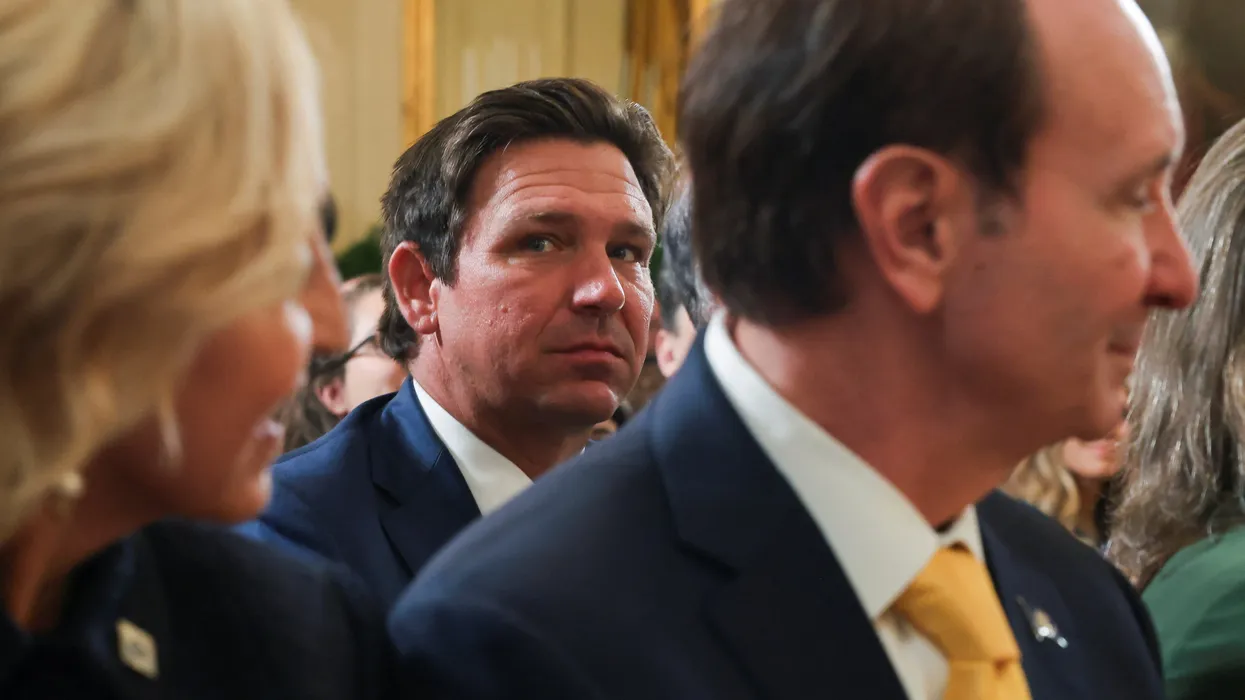
Florida's release of a child sex-abuse affidavit left identifying details of an alleged victim exposed, drawing sharp condemnation — the accused is former state Rep. Michael Caruso (R), the Palm Beach County Clerk of Courts appointed to the post by Gov. Ron DeSantis (R). The clerk is an elected constitutional officer in Florida and serves as custodian of the county's court records.
The Florida Department of Law Enforcement (FDLE) published the affidavit on Tuesday after Caruso was arrested on charges including kidnapping, molestation and child abuse. FDLE reports directly to DeSantis, who suspended Caruso from office hours after the arrest.
State Senate Democratic Leader Lauren Book (D), a longtime child-protection advocate who founded the nonprofit Lauren's Kids, criticized the release of the information. "It is unacceptable that in releasing documents detailing horrific allegations of child sexual abuse by recently-removed Palm Beach County Clerk of Courts Mike Caruso, the State failed to adequately protect the identity of the child victim," Book wrote on X. "The redactions left enough deeply personal identifying information to effectively 'out' this child — including his relationship to the accused and other incredibly sensitive details," she added.
The document was released under Florida's public-records law, which is among the broadest in the nation and generally requires agencies to hand over documents unless a specific exemption applies. Separately, the state constitution, amended by voters in 2018 to add Marsy's Law, gives crime victims the right to prevent the disclosure of information that could be used to locate or harass them or their families.
Raw Story reviewed the affidavit and identified seven categories of identifying information left unredacted: the child's age, gender, county of residence, relationship to the suspect, relationship to everyone in the household, the county where the child received therapy, and the type of therapy received.
The document remained available Tuesday after it was published by Axios reporter Marc Caputo. In his post, Caputo identified the victim's relationship to Caruso.
"It never ceases to amaze me how Government officials seem to be able to redact all kinds of info to keep from the press and the public, but they still don't put on their thinking caps when it comes to identifying child-sex victims," Miami Herald investigative reporter Julie K. Brown, best known for her reporting that reexamined Jeffrey Epstein's lenient Florida plea deal, wrote on X. In a separate post, Brown said Caputo "should not have printed the affidavit with details that identify the child victims" (X).
The state's handling of the affidavit stands in contrast to how Florida's courts treated an earlier abuse allegation against Caruso, according to a Miami Herald review of Palm Beach County court records. In a January 2013 divorce filing, Caruso himself acknowledged what he called a "false sexual abuse case," the Herald reported. The court record contains no details of that case.
"Victims deserve privacy, dignity, and protection — especially children," Book wrote. "Florida must do better, and I intend to make sure we do."

