'Running Away Balloon' Artist Sues AI Meme Generator Over Ad Templates
Key Takeaways
- •Saflor filed the complaint on July 1 in the U.S. District Court for the Central District of California.
- •The suit claims Memes Apps sold access to “Running Away Balloon” as a template to paying Memes.ai subscribers.
- •The complaint alleges direct, contributory, and vicarious infringement rather than disputing how an AI model was trained.
- •Memes.ai markets subscription plans to brands, agencies, and marketers and says generated ads can be used for business purposes, including paid advertising.
- •Saflor is seeking a permanent injunction, an accounting of profits, disgorgement, and statutory damages.
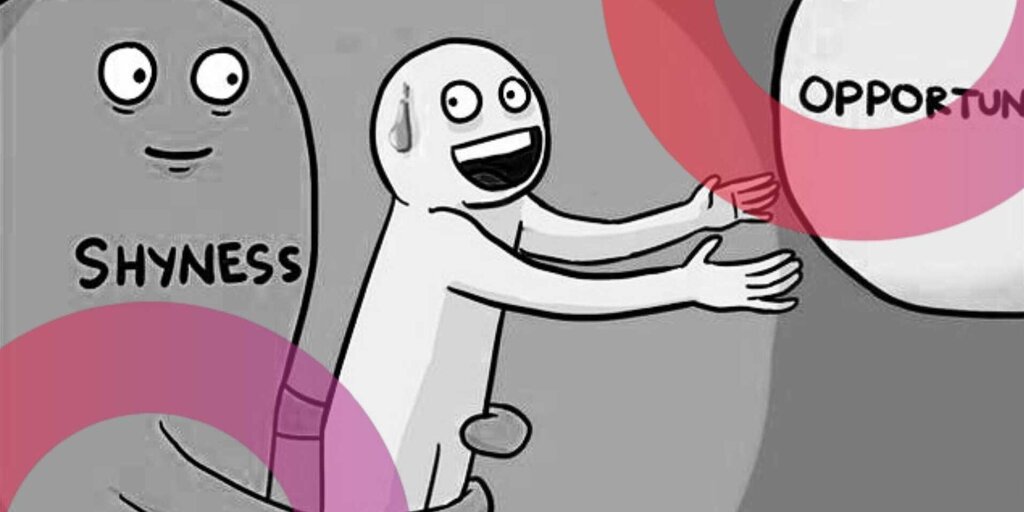
Filipino artist Elmer Saflor has sued Memes Apps, the company behind Memes.ai, over what he says was the sale of his comic as an advertising template.
The complaint alleges direct, contributory and vicarious infringement and seeks an injunction as well as the platform's profits.
Unlike the Stability AI and Midjourney cases, the dispute does not center on how a model was trained.
A Filipino cartoonist has sued the company behind the AI ad generator Memes.ai, alleging that it sold access to his best-known comic as a template for advertising. Elmer Saflor, also known as "Superelmer," filed the complaint on July 1 in the U.S. District Court for the Central District of California, claiming Memes Apps offered "Running Away Balloon" — a two-panel strip he registered in 2024 — to paying subscribers.
In the original comic, posted to Facebook in April 2017, a gray stick figure reaches for a balloon labeled "opportunities," while a pink character marked "shyness" holds it back.
Memes.ai markets itself to brands, agencies and marketers, with subscription plans ranging from $40 to $199 a month and quotas of up to 1,000 meme ads. According to the complaint, the company tells customers that generated ads "are yours to use for your business," including in paid advertising. That makes the case part of a broader set of copyright disputes over how AI tools package and distribute creative works, even when the underlying complaint is not about model training.
Most lawsuits by artists against AI firms focus on whether ingesting works to train a model qualifies as fair use, the issue that has driven the Stability AI and Midjourney litigation since 2023. Saflor's filing does not raise that question. Instead, it alleges ordinary reproduction and public display, arguing that the artwork was placed in the template library under its own name and was searchable by any subscriber.
The complaint also points to Memes.ai's own marketing to support the claim that the infringement was willful. It says the company urges customers to "fire your ad agency" — agencies that license the content they use — while asserting copyright on its own website.
Saflor is seeking a permanent injunction, an accounting of profits and disgorgement, as well as statutory damages. The Copyright Act caps such damages at $150,000 per work for willful infringement. The artist told Ars Technica that his main objective is to obtain discovery and raise "broader questions about how AI-powered platforms use creators' work."
Internet law scholar Eric Goldman told the technology publication that a ruling against Memes Apps could have implications for every meme generator. He pointed to a 2024 federal appeals court ruling that found Steve King's campaign infringed the "Success Kid" meme by using it in fundraising posts, which Goldman said left meme use in ads unprotected. In Saflor's lawsuit, however, the target is the supplier rather than the advertiser, which Goldman said could raise "a whole host of other legal dilemmas."

