Ferrari Reaches 2026 Sales Target for First EV Within Two Months of Launch
Key Takeaways
- •Ferrari's first fully electric vehicle, the Luce, reached its 2026 sales target of just under 500 units within two months of launch, far ahead of schedule.
- •The Luce features a four-door, five-seat layout with a starting price of approximately €550,000, making it one of the most exclusive electric vehicles in the world.
- •Demand has been geographically balanced, with China among the strongest markets, attracting both existing Ferrari owners and first-time buyers.
- •Despite the rapid order intake, Ferrari does not plan to significantly increase production volumes and intends to continue carefully managing allocations.
- •Ferrari's broader order book extends well into 2027, and vehicle personalization continues to contribute a growing share of the company's revenue and profitability.
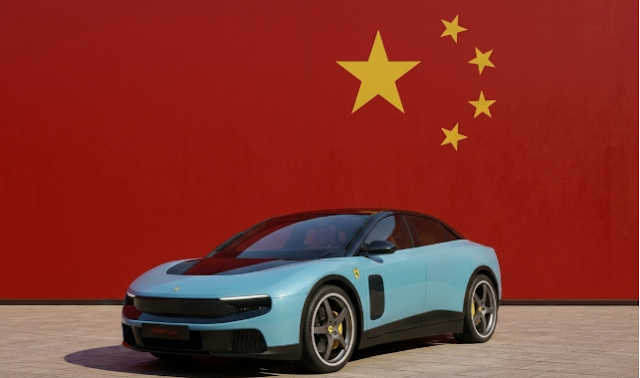
Ferrari has reached its 2026 sales target for its first fully electric vehicle just two months after the model's official debut, signaling stronger-than-expected demand for the Italian luxury automaker's entry into the EV market. The milestone comes as Ferrari expands beyond its traditional combustion-engine sports car lineup to embrace electrification, a transition the company has been preparing for with its SF90 Stradale and 296 GTB plug-in hybrids in recent years.
The result is particularly notable given the mixed reception the vehicle received upon unveiling. Some longtime Ferrari enthusiasts questioned both the design and the company's shift toward full electrification. However, customer demand has exceeded internal expectations, enabling the automaker to meet its 2026 sales objective well ahead of schedule.
The report first surfaced through the Financial Times and gained wider attention after being shared by Cointelegraph's official X account. Ferrari subsequently indicated that the customer response has been stronger than anticipated, reinforcing the company's confidence in its long-term electrification strategy.
The Luce: Ferrari's First Battery-Electric Model
Ferrari's first battery-electric vehicle, known as the Luce, represents one of the company's most ambitious product launches in decades. The model departs from Ferrari's traditional two-seat sports car format, introducing a premium four-door, five-seat layout aimed at attracting a broader range of affluent buyers while maintaining the exclusivity associated with the brand.
Rather than pursuing mass-market EV production, Ferrari has maintained its philosophy of limited output and premium pricing. Industry reports indicate the Luce carries a starting price of approximately €550,000, placing it among the most exclusive electric vehicles in the world and well above competitors like the Porsche Taycan Turbo S, which starts at roughly $230,000.
Early Sales Exceed Expectations
According to people familiar with the matter, Ferrari had set a sales target of just under 500 units for the Luce during 2026. That target has reportedly already been met only two months after launch — significantly earlier than company planners had anticipated.
For most automakers, reaching annual sales goals requires a full calendar year. Ferrari's ability to secure sufficient customer orders within weeks illustrates the unique dynamics of the ultra-luxury automotive segment, where an exclusive customer base with substantial purchasing power drives demand independently of the price competition that characterizes the mass market.
Geographically Balanced Demand
While China has emerged as one of the strongest sources of demand for Ferrari's first EV, company executives have emphasized that interest has been geographically balanced. Ferrari CEO Benedetto Vigna stated that customer enthusiasm has come from both existing Ferrari owners and first-time buyers across several international markets.
Growing wealth among technology entrepreneurs and high-net-worth individuals has broadened Ferrari's potential customer base beyond its traditional audience. Analysts note that affluent buyers increasingly view limited-production vehicles as collectible assets rather than mere transportation.
Luxury EV Market Context
Ferrari's early success arrives during a significant transition within the global automotive industry. Luxury manufacturers continue to invest heavily in electrification even as growth slows in some mass-market EV segments. Premium brands operate under different market conditions than mainstream automakers, with customers purchasing six-figure vehicles generally prioritizing performance, exclusivity, technology, craftsmanship, brand heritage, and personalization. These factors can reduce sensitivity to broader economic fluctuations.
The European Union's 2035 deadline for phasing out new combustion-engine vehicle sales has added regulatory urgency to luxury automakers' electrification roadmaps, though Ferrari's low-volume, high-margin model gives it more flexibility than mass-market peers in pacing the transition.
Personalization as a Profit Driver
Ferrari has increasingly emphasized vehicle personalization as one of its largest profit drivers. Customers frequently customize nearly every aspect of their vehicles, including exterior finishes, interior materials, performance specifications, technology packages, and exclusive design elements. According to company executives, personalization contributes a growing share of Ferrari's overall revenue and profitability.
Initial Investor Skepticism Eased
The unveiling of Ferrari's first EV generated mixed reactions in financial markets. Some investors questioned whether moving away from traditional V8 and V12 engines might dilute Ferrari's unique identity, while others worried that loyal enthusiasts would reject an all-electric model.
However, rapid order growth appears to have eased some of those concerns, suggesting Ferrari may have successfully balanced innovation with the exclusivity that defines its brand. Ferrari, which trades on the New York Stock Exchange under the ticker RACE, has consistently delivered operating margins above 25% in recent years — among the highest in the automotive industry.
Production Discipline and Forward Order Book
Unlike many automakers pursuing rapid volume growth, Ferrari intentionally restricts production to preserve brand prestige, residual vehicle values, customer exclusivity, and long-term pricing power. This model has enabled the company to sustain industry-leading profit margins for years. Meeting annual sales targets quickly does not necessarily mean Ferrari will significantly increase production volumes; the company is expected to continue carefully managing allocations. Production of the Luce is expected to take place at Ferrari's expanded Maranello facility, where the company has invested in dedicated EV manufacturing infrastructure.
Ferrari has repeatedly indicated that its broader order book extends well into 2027, reflecting sustained demand across multiple model lines. Long waiting lists remain common, and the scarcity created by limited production often supports resale values while reinforcing the company's luxury positioning.
A Strategic Step Toward Electrification
The successful launch of Ferrari's first EV represents more than a single product introduction. It demonstrates that the iconic performance brand is adapting to shifting consumer preferences without abandoning its premium market strategy. Rather than immediately replacing gasoline-powered models, Ferrari appears committed to offering customers multiple powertrain options — an approach that may help the company navigate evolving environmental regulations while preserving its heritage.
Executives have emphasized that the strong initial response will not fundamentally alter Ferrari's measured approach to electric vehicles. The company intends to continue balancing traditional performance models with carefully developed electric offerings that meet its standards for design, engineering, and exclusivity. As governments worldwide tighten emissions regulations and consumer preferences evolve, Ferrari's ability to maintain its luxury identity while embracing new technologies could prove to be among its greatest competitive advantages.

