Fed's Collins: Absent New Tariff and Oil Shocks, There Is Reason to Believe Inflation Will Ease
Key Takeaways
- •Collins said the current policy stance remains restrictive and should support gradual disinflation.
- •She said the latest PCE report did not change her baseline outlook for inflation to ease over time.
- •She identified tariffs and oil prices as the main upside risks to the inflation outlook.
- •Collins said portfolio management had a large effect on headline inflation, while market-based prices were closer to the Fed’s target.
- •She said the recent rise in bond yields does not indicate that inflation expectations are increasing.
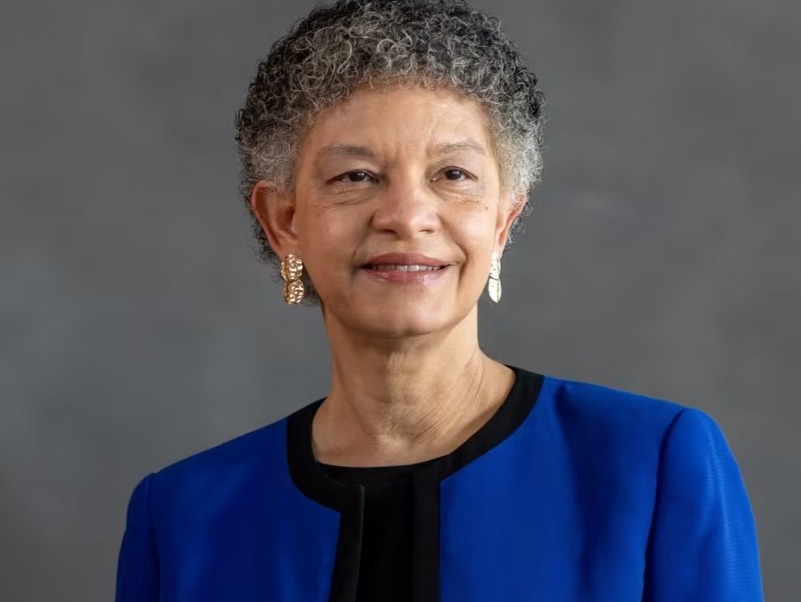
Boston Federal Reserve President Susan Collins signaled continued confidence that price pressures are on a downward path, saying that absent new shocks from tariffs or oil prices, there is reason to believe inflation will ease, according to comments reported by investingLive.
The two risks she flagged are among the most closely watched sources of upside price pressure: tariffs can lift the cost of imported goods as levies pass through supply chains to consumers, while swings in oil prices feed directly into headline inflation through energy costs.
Key points from the Boston Fed chief's remarks:
- The recent PCE report did not change her modal outlook that monetary policy is restrictive and will lead to gradual disinflation.
- Portfolio management had an outsized influence on headline inflation, with market-based prices more in line with the Fed's target.
- Recent inflation data have been mixed, showing a stronger headline figure but promising signs in the details.
- The recent increase in bond yields is not a sign that inflation expectations are increasing.
Collins has served as President and Chief Executive Officer of the Federal Reserve Bank of Boston since July 2022, a period spanning the Fed's aggressive rate-hiking campaign to bring inflation down from four-decade highs. The personal consumption expenditures (PCE) price index is the Federal Reserve's preferred gauge of inflation, released monthly by the Commerce Department's Bureau of Economic Analysis, and the Fed aims for inflation of 2 percent over the longer run. A "restrictive" monetary policy stance is one set above the level considered neutral for the economy, intended to restrain demand and support a return of inflation toward that goal. Commentary from regional Fed presidents like Collins is closely watched for signals about the direction of interest rates, so her description of a gradual disinflation path speaks to how officials are weighing incoming data between policy meetings.
As the source report notes, the remarks are consistent with the message Collins has been delivering for some time.
Source: investingLive

