Fed Chair Warsh Faces Highest Dissent Level Since 1970 as FOMC Holds Rates Steady
Key Takeaways
- •Federal Reserve Chairman Kevin Warsh has encountered more dissenting votes than any Fed leader since 1970.
- •Four of the twelve FOMC voting members dissented at the latest meeting, the highest number in a single gathering since October 1992.
- •The dissenters were divided in direction, with three opposing language signaling future rate cuts and one pushing for an immediate 25-basis-point reduction.
- •Market pricing for the October 2026 meeting reflects a diminished probability of a rate hike at 22.5%, while the likelihood of rates holding unchanged has risen to 63.5%.
- •Upcoming inflation and employment data releases are expected to significantly influence the FOMC's next policy decision.
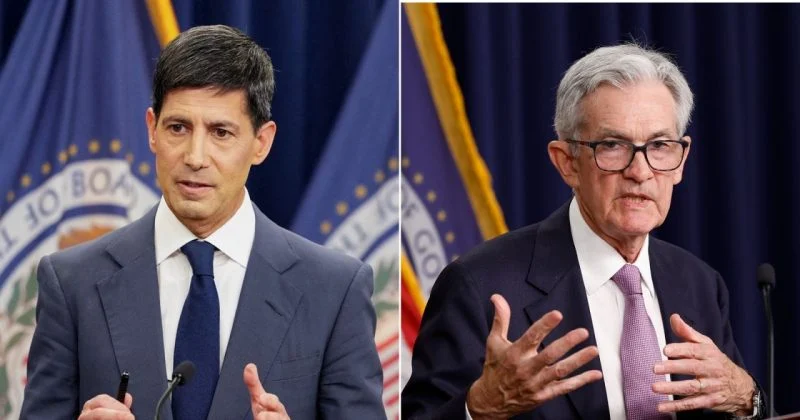
Federal Reserve Chairman Kevin Warsh is confronting an unprecedented level of internal opposition, with more dissenting votes cast against him than any Fed leader has faced since 1970.
The wave of disagreement surfaced during the latest Federal Open Market Committee (FOMC) meeting, where the central bank voted to keep the benchmark interest rate unchanged at a range of 3.50%–3.75%. Four committee members broke ranks—the largest number of dissents in a single FOMC meeting since October 1992. With the FOMC comprising 12 voting members, that level of dissent represents a third of the committee opposing the chair's preferred position. Among the dissenters, three officials objected to the policy statement's language signaling potential future rate cuts, while one member pushed for an immediate 25-basis-point reduction—meaning the opposition cut in both hawkish and dovish directions simultaneously.
The surge in dissenting opinions points to potential fractures in the Fed's policy direction and is already reshaping market expectations for upcoming monetary policy decisions. Current market pricing reflects a diminished probability of a rate hike at the October 2026 meeting, with the odds of a 25-basis-point increase falling to 22.5%, down from 24% just one day earlier. Conversely, the probability of rates remaining unchanged has climbed to 63.5%, signaling that investors increasingly anticipate a hold. A divided committee complicates the Fed's dual mandate of price stability and maximum employment, as internal disagreement can blur the policy signals that markets, businesses, and households rely on.
The current climate of disagreement within the FOMC carries historical weight. Dissenting votes were far more common during the 1960s and 1970s, a period characterized by frequent policy disputes and persistently elevated inflation, but have become notably rarer over the past several decades as successive Fed chairs prioritized presenting a unified committee front. The resurgence of such broad disagreement under Warsh's leadership stands out as a significant development and may signal a shift in how the central bank navigates current economic challenges.
Looking ahead, upcoming economic data releases—including inflation figures and employment reports, the two indicators most directly tied to the Fed's statutory goals—are expected to play a pivotal role in shaping the FOMC's October decision. The next FOMC meeting, along with any public remarks from Federal Reserve officials, will be closely watched for signals about whether the pattern of dissent persists or consensus can be restored. Any shift in these internal dynamics could prompt a reassessment of market expectations across various interest rate scenarios.

