Fed's Warsh Signals Hawkish Turn, Sending Yields and Dollar Higher as Stocks and Gold Fall
Key Takeaways
- •Warsh's hawkish comments shifted market pricing of a September Fed rate hike from 33% to 62% probability.
- •US 2-year yields rose 12 bps to 4.36% and 10-year yields rose 5.4 bps to 4.73%, while the Nasdaq fell 0.5% and the S&P 500 fell 0.2%.
- •Gold dropped $145 to $4,455, with precious metals and bitcoin falling 3–4% as rates and real yields rose.
- •Fed's Hammack said it is time to act with rate hikes, and Goolsbee agreed with Warsh that inflation is the Fed's main issue.
- •Non-farm payrolls benchmark revisions reduced employment by 79,000 jobs, and Canada's Q2 GDP grew 3.3% annualized versus a 3.4% estimate.
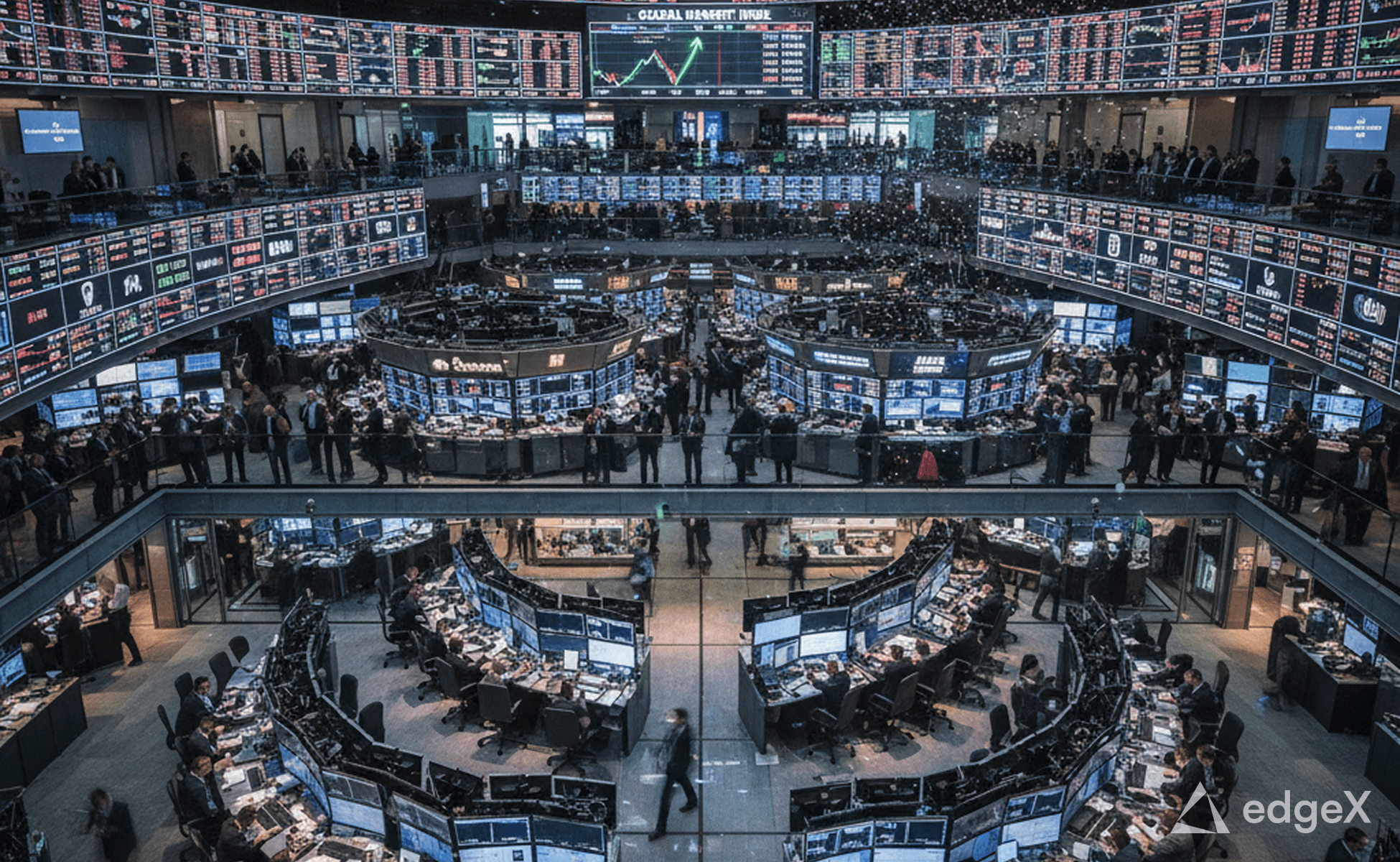
Federal Reserve policymaker Warsh said the numbers on price stability are "more concerning" (source). Other headline items from the session:
- University of Michigan final sentiment index for August came in at 51.7 versus a 51.0 estimate (source).
- Fed's Hammack said it is time to act with rate hikes and that waiting will create pain (source).
- Canada's Q2 GDP grew at an annualized 3.3% versus a 3.4% estimate (source).
- Fed's Goolsbee agreed with Warsh that inflation is the Fed's main issue right now (source).
- Non-farm payrolls benchmark revisions trimmed employment by 79,000 jobs (source).
Market snapshot:
- Gold down $145 to $4,455
- US 10-year yields up 5.4 bps to 4.73%
- US 2-year yields up 12 bps to 4.36%
- WTI crude oil down 8 cents to $83.43
- USD leads, NZD lags
- Nasdaq down 0.5%
- S&P 500 down 0.2%
It was a fairly straightforward day in financial markets in terms of "what happened and why." The consensus ahead of Warsh's remarks was that he would not offer much of a steer on rates and would lean into ambiguity, but that is not what unfolded. Instead, he emphasized several reasons why the inflation part of the Fed's mandate is being missed and pledged, in stronger-than-expected terms, to get inflation back to target. The comments were undoubtedly hawkish, and market pricing moved to a 62% probability of a September rate hike from 33% before the remarks. The shift was notable not only for its size but for who delivered it: Warsh is widely viewed as a candidate for Fed leadership, which gives his words weight beyond a single voting member's view.
The market response was ultimately what one would expect as yields rose, the dollar climbed, and stock markets declined — but it was a winding path to get there. Markets initially seemed not to know what to make of the comments, and stocks jumped in the aftermath, led by tech. That rally faded within a couple of hours, and stocks sagged, led by tech and utilities. Higher policy rates tend to weigh on equities by raising discount rates on future earnings and by lifting the yield on cash alternatives, and tech and other rate-sensitive sectors typically feel that effect most directly.
The dollar's move was also jerky but ultimately steady, gaining consistently across the board and reaching the highs of the week on most fronts. Higher expected US rates make dollar-denominated assets relatively more attractive, which supports the currency; the New Zealand dollar lagging fits the pattern of a broad dollar-driven session rather than a country-specific story.
The moves in precious metals and bitcoin were more dramatic, with the group falling 3–4% on signs the Fed is serious about getting inflation back to 2%. Gold and other non-yielding assets face a higher opportunity cost as rates and real yields rise, which is the standard mechanism behind moves of this kind. The next spot to watch will be the long end of the Treasury curve, where yields should fall at some point if the Fed proves it will return inflation to target and keep it there.
Overall, Warsh made a compelling case for a stronger economy that is not being held back by rates at current levels, and for the idea that inflation expectations stay contained — until, suddenly, they don't, because the central bank loses credibility. If not for the persistent belief that Warsh is in Trump's pocket, he would have moved the market more.
Have a great weekend.

