Fed Rate Hike Odds for September Climb After Cautious Inflation Remarks from Chairman Warsh
Key Takeaways
- •Fed Chairman Kevin Warsh said summer inflation data, though better than expected, does not indicate a significant improvement in underlying inflation trends.
- •CME Group's FedWatch tool shows the probability of a September rate hike rose to 55.7%, an increase of about 20 basis points in one day.
- •The 2-year US Treasury yield rose roughly 8 basis points to 4.31%, its highest level since the end of July, after Warsh's remarks.
- •Forecasting markets price a 25 basis point hike at about 46% probability, unchanged rates around 55%, and a larger increase near 1%.
- •Warsh offered no direct guidance on upcoming policy decisions, leaving rate expectations sensitive to forthcoming inflation and employment data before the September 16 meeting.
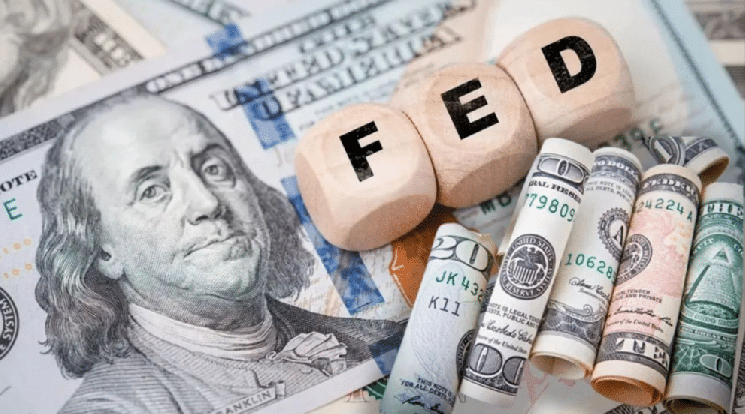
Expectations that the Federal Reserve may raise interest rates at its September meeting have risen significantly following cautious remarks on inflation from Fed Chairman Kevin Warsh. The probability of a rate hike in forecasting markets has approached its highest levels in recent times, while bond yields have also climbed sharply.
Market expectations are shifting rapidly ahead of the Fed's monetary policy meeting on September 16. According to forecasting market data, the probability of the Fed keeping interest rates unchanged stands at around 55%, while a 25 basis point hike is priced at roughly 46%. A larger rate increase carries only about a 1% probability.
CME Group's FedWatch tool shows that investors have raised the probability of a rate hike at the September meeting to 55.7% — an increase of approximately 20 basis points in a single day.
The repricing comes amid a period in which markets have been calibrating expectations around the Fed's easing cycle, making Warsh's comments a notable shift in tone for rate expectations.
Warsh: No Significant Improvement in Inflation Trend
Speaking at the Jackson Hole symposium in Wyoming, Federal Reserve Chairman Kevin Warsh noted that inflation remains high. Jackson Hole, the Kansas City Fed's annual economic policy symposium, has historically served as a venue where Fed chairs signal shifts in monetary policy thinking, which is why markets scrutinize remarks delivered there.
Warsh acknowledged that inflation data released during the summer was more positive than expected, but said it did not indicate a lasting improvement in underlying inflation trends. "While inflation data released this summer was better than expected, it doesn't indicate a significant improvement in underlying trends," he stated.
The Fed chairman added that it is necessary to ensure inflation is moving clearly and quickly enough toward the central bank's target level — inflation of 2% over the longer run, the Fed's stated goal. Signaling that the Fed might otherwise need to tighten monetary policy further, Warsh said: "Otherwise, we have more work to do. This is our duty, our authority, and our responsibility."
He did not, however, offer direct guidance on how the Fed will act at upcoming meetings, nor did he provide a definitive framework for which economic data interest rate decisions will depend on. That omission leaves rate expectations unusually sensitive to the incoming data calendar between now and the meeting.
US Treasury Yields Rise Sharply
Following Warsh's speech, US stock indices rose while selling pressure hit the bond market. The yield on the 2-year US Treasury bond, which is highly sensitive to expectations about Fed interest rate policy, rose by approximately 8 basis points to 4.31% — its highest level since the end of July.
The rise in short-term yields indicates that investors increasingly expect the Fed to implement tighter monetary policy in the period ahead. Moves in 2-year yields are a common real-time gauge of how markets price the path of the federal funds rate, and shifts of this size typically follow speeches that alter perceived policy risk.
With roughly two and a half weeks until the September meeting, upcoming inflation and employment data are expected to be critical in shaping the direction of rate expectations. If inflation proves stronger than expected, the likelihood of a rate hike would increase, while a significant slowdown in price pressures could reinforce expectations that the Fed will keep rates unchanged.
This is not investment advice.
