Fed Chair Warsh Warns on Inflation as July Rate-Hike Odds Fluctuate
Key Takeaways
- •Warsh told Congress the Federal Reserve remains focused on preventing sustained high inflation.
- •June headline inflation was 3.5% year over year, while prices fell 0.4% from the previous month.
- •Core CPI was unchanged on a monthly basis, a measure closely watched for underlying price trends.
- •Market-implied odds of a July rate hike initially fell sharply before later moving higher again.
- •Future inflation and employment reports, Fed commentary, and FOMC projections are expected to influence rate expectations.
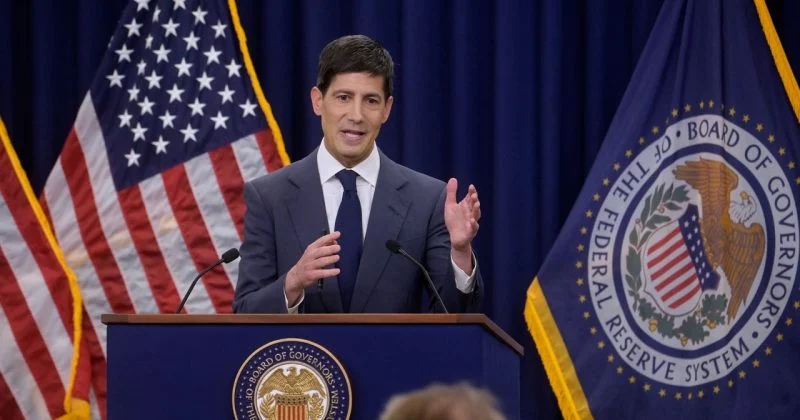
Federal Reserve Chair Kevin Warsh told Congress in recent testimony that inflation remains a persistent concern, reiterating the central bank’s position that it has “no tolerance” for sustained high inflation.
Warsh’s remarks came the same day a key inflation report showed headline inflation at 3.5% year over year in June, while prices declined 0.4% on a monthly basis. Core Consumer Price Index (CPI), which excludes more volatile categories, was unchanged from the previous month. The split between headline and core readings matters for policy expectations because officials often look beyond a single monthly move to assess whether underlying price pressures are easing on a sustained basis.
Market pricing initially shifted after the testimony and CPI release, with the implied probability of a July rate hike falling as low as 16%, down sharply from 42% a day earlier. Subsequent market activity, however, indicated that rate-hike odds later moved higher again, reflecting a recalibration of expectations. Such implied probabilities are not Fed decisions; they reflect how traders price the likelihood of different policy outcomes as new information becomes available.
Participants appeared to interpret the combination of Warsh’s congressional comments and the CPI data as reducing near-term pressure for additional Federal Reserve tightening. Even so, the broader policy picture remained unsettled, with the inflation fight not yet concluded and some scenarios still consistent with possible rate action at upcoming meetings.
The moves showed fluctuating confidence in the Fed’s near-term policy path and continued uncertainty over how the central bank may respond to incoming data. Warsh’s emphasis on addressing elevated inflation remained consistent with a policy approach in which the Fed stays vigilant even as individual data points influence expectations for specific meetings. For households and businesses, the path of rates can affect borrowing costs, savings yields, and financial conditions, which is why inflation data and Fed communication are closely watched across markets.
Upcoming economic releases, particularly those tied to inflation and employment, are likely to remain central to market expectations for future Fed decisions. Indicators such as core CPI or a rise in unemployment could shift the perceived odds of later rate moves. Additional comments from Federal Reserve officials, as well as any changes to the Federal Open Market Committee’s dot plot, could also provide further clarity on the central bank’s policy direction.

