Fed Raises Interest Rates Under Trump-Appointed Chair Kevin Warsh, Warning Inflation Is ‘Too High’ for ‘Too Long’
Key Takeaways
- •The Federal Reserve raised interest rates this week in a unanimous 12-0 vote, and Chair Kevin Warsh, who was hand-picked by President Trump, warned inflation has been elevated for too long and did not rule out further hikes.
- •Consumers may face higher borrowing costs on credit cards, car loans and mortgages, and industry analysts expect gas prices to jump further due to a lengthy disruption of a damaged pipeline.
- •An Alternet column attributed the inflation surge to Trump's tariffs, the energy shock from his war in Iran, and tax cuts and spending that raised deficit concerns.
- •Democrats are eyeing traditionally deep-red Senate states such as Kansas, South Carolina and Mississippi, a development the column viewed as a sign of how much the political environment has shifted.
- •The EU president has proposed making Canada the bloc's first 'associate member,' with Prime Minister Mark Carney welcoming closer ties, potentially affecting trade-dependent states like Michigan, Ohio and Maine if Trump retaliates with additional tariffs.
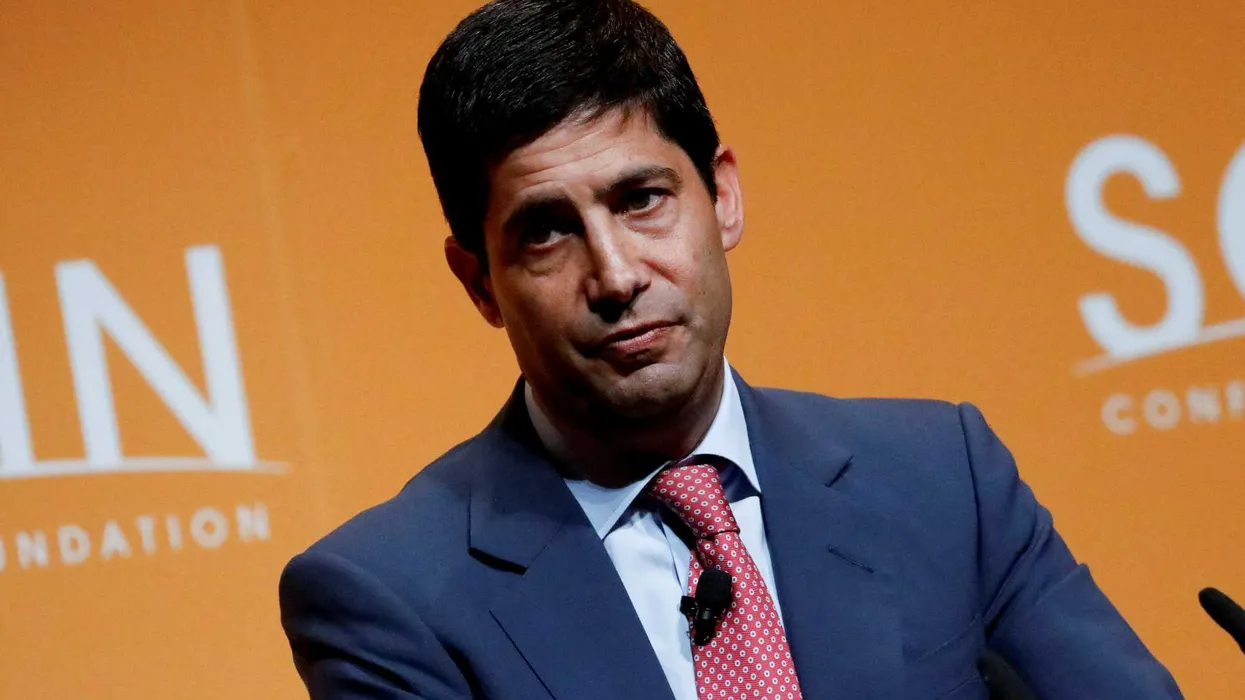
The Federal Reserve raised interest rates this week, with new Fed Chair Kevin Warsh — the central banker President Donald Trump hand-picked to lead the institution — warning that inflation has been “too high” for “too long” and declining to rule out another rate hike in the future. Rate increases are the central bank’s principal tool for restraining inflation, working by raising the cost of borrowing across the economy. The decision passed with a unanimous vote of the 12 governors on the board, according to The New York Times.
At a news conference after the decision, Warsh steered clear of blaming Trump, evading reporters’ questions and playing up positive aspects of the economy. An Alternet column argued that the episode exposed a striking political irony: the man Trump installed to bring rates down ended up raising them.
For consumers, the move could mean higher borrowing costs on credit cards and car loans, as The Washington Post outlined — arriving at a time when many Americans are putting a lot on credit cards while struggling to make ends meet. Mortgage rates, already high, could face further upward pressure. Gas prices are about to spike further, according to industry analysts, who tie the expected jump to a lengthy disruption of a damaged pipeline. All of it is landing just weeks before the midterm elections.
According to the column, there are several clear reasons why inflation is surging and causing the Fed to act, and Trump’s policies are central to them: his tariffs, and his war in Iran, which has caused an energy shock. His tax cuts for the wealthy and his spending have also raised concerns about deficits and inflationary pressure. The column then added everything else on top, from what it called brutal mass deportations and his championing of data centers to his obsession with the Kennedy Center and the ballroom, concluding: “This is a disaster Trump has created.”
Then there was “Trumpalooza” in Dallas last week, the GOP midterm convention at which Trump begged voters to “pretend” he is on the ballot. The column argued there has not been an environment like this for the party in power in years, and that it is hard to think of a president who so insistently forced his party to make him the centerpiece of a midterm election even as it claimed a majority of Americans see him as an absolute failure.
The Senate map keeps expanding, with Democrats even looking toward Kansas, South Carolina and Mississippi. Those states may not become competitive — South Carolina and Mississippi are still rated Solid Republican by most analysts — but the column contended that Democrats merely looking at such deep-red states is an indication of how much the political environment has shifted.
The column predicted Trump will continue his efforts to exert more control over the election, as it outlined on Tuesday. After the Supreme Court ruled against him on mail-in ballots, it argued, he may become more desperate. This week, when pressed by senators, FBI Director Kash Patel would not rule out sending FBI to polling places, even though federal law sharply restricts the presence of armed federal officers at polling places. In the column’s view, legal restrictions have not stopped the administration in the past, and challenges to voting rules or to votes already cast remain a live concern.
Even so, the columnist wrote that after watching legal advocates work hard and seeing the courts push back, they feel better 47 days out from the election than expected. One thing the columnist did not count on was Trump becoming the Democrats’ own best weapon. Running against Trump was always part of the playbook, alongside running on issues and promising real reform — but, the piece said, Trump has muddied Republicans’ prospects just about every single day as the environment deteriorates for the GOP, repeatedly kicking Republicans while they are down and making it easier for Democrats to stay focused on their message.
Trump has also helped push Canada further into the arms of the European Union, according to the column. The EU’s president has proposed making Canada the bloc’s first “associate member,” and Canadian Prime Minister Mark Carney has welcomed the prospect of dramatically closer ties. That could have economic implications for states such as Michigan, Ohio and Maine that rely heavily on trade with Canada — and where Republican candidates are struggling — particularly if Trump responds with additional tariffs, as he has threatened to do.
This week, Trump lashed out at the Federal Reserve, as he did at the Supreme Court earlier in the week, but within hours he was focused again on the Kennedy Center and getting his name on it. New fears emerged that he might demolish the institution if he does not, fueled in part by a photo of him aboard Air Force One appearing to show him looking at a placard reading “Kennedy Center DEMOLISHED.”
Whether or not he follows through on any such action against the memorial to a revered, assassinated president, the column argued that Trump’s obsession with President Kennedy — a desire, in its view, to gain worth by attaching himself to another president’s name — signals to voters that he has “lost the plot,” whirling, as the piece put it, in his narcissism. And weeks before a midterm election, the column concluded, it is all helping the Democrats build further momentum.

