Most Fed Officials Backed Another Rate Hike by Year End, September Minutes Show
Key Takeaways
- •Most Federal Reserve officials judged another interest rate increase would likely be appropriate by year end, while emphasizing that future decisions depend on incoming data rather than being predetermined.
- •The committee unanimously supported September's quarter-percentage-point hike, which raised the federal funds target range to 3.75% to 4%.
- •Fed staff estimated August headline PCE inflation at 3.8% and core at 3.4%, raised inflation forecasts for 2026 through 2028, and projected a return to the 2% target in 2029.
- •Officials cited higher energy prices tied to geopolitical tensions and surging AI infrastructure investment as sources of price, with some warning the AI buildout could push demand above supply over the medium term.
- •Treasury yields rose roughly 35 basis points across two- to 10-year maturities between meetings, with heavy borrowing to finance AI infrastructure cited as one contributing factor.
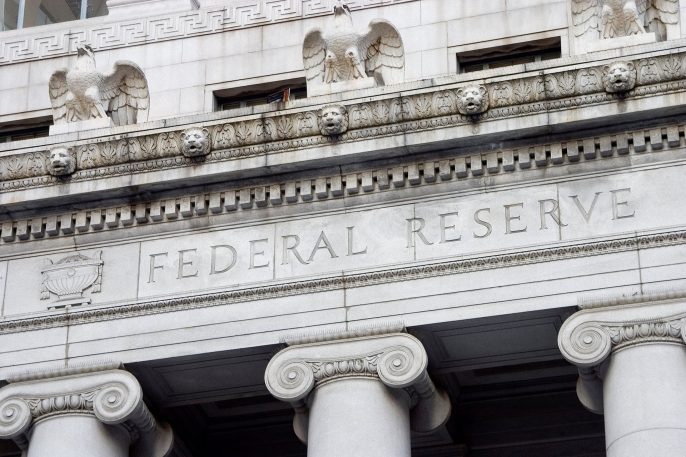
Most Federal Reserve officials judged that another interest rate increase would likely be appropriate by year end, according to minutes of the Federal Open Market Committee's September 15 and 16 meeting, released by the Federal Reserve, as persistent inflation and resilient economic growth supported further tightening. Published roughly three weeks after the gathering, the minutes provide the most detailed public record of the committee's internal deliberations.
All participants backed September's quarter percentage point increase, which lifted the federal funds target range to 3.75% to 4% — the benchmark rate that sets the baseline for borrowing costs on mortgages, auto loans, and corporate credit across the economy. Officials generally assessed that the labor market was near full employment, while inflation risks remained tilted to the upside.
The minutes revealed broad concern that inflation had made insufficient progress toward the Fed's 2% target, its longer-run goal for price stability. Policymakers pointed to higher energy prices linked to geopolitical tensions and surging investment in AI infrastructure as sources of price pressure. Some officials warned that the AI buildout could push demand above supply over the medium term. Business contacts also reported rising costs, and some participants said companies appeared increasingly able to pass those increases on to consumers.
Fed staff estimated that annual headline PCE inflation, the central bank's preferred price gauge, reached 3.8% in August, while core inflation stood at 3.4%. Under a forthcoming change to Bureau of Economic Analysis methodology, those estimates would amount to 3.6% and 3.2%, respectively — a revision that would lower the officially measured figures.
Staff raised their inflation forecasts for 2026 through 2028 and projected a return to 2% in 2029. They also strengthened their growth outlook, citing robust business investment, solid consumer spending, and supportive financial conditions.
Several officials viewed the policy rate as either not restrictive or only mildly restrictive — a distinction that matters because officials' assessment of how much the current stance restrains the economy shapes how much further tightening they see as warranted. Many argued that a higher rate path would provide insurance against persistent inflation, while others considered further tightening necessary even under their central economic outlook.
The AI investment boom also featured in discussions of bond markets. Treasury yields rose roughly 35 basis points across maturities from two to 10 years during the between meetings. Market commentary cited heavy borrowing to finance AI infrastructure as one contributing factor, alongside economic data and geopolitical developments.
Despite rising borrowing costs, many officials said financial conditions continued to support growth. Strong equity prices and narrow corporate credit spreads helped offset the increase in Treasury yields, although elevated mortgage rates continued to weigh on housing.
Officials emphasized that another hike was not predetermined. Future decisions would depend on incoming data and shifts in the economic outlook and balance of risks. With the next policy meeting scheduled for October 27 and 28, the inflation, employment, and growth reports released in the weeks ahead will feed directly into that assessment.

